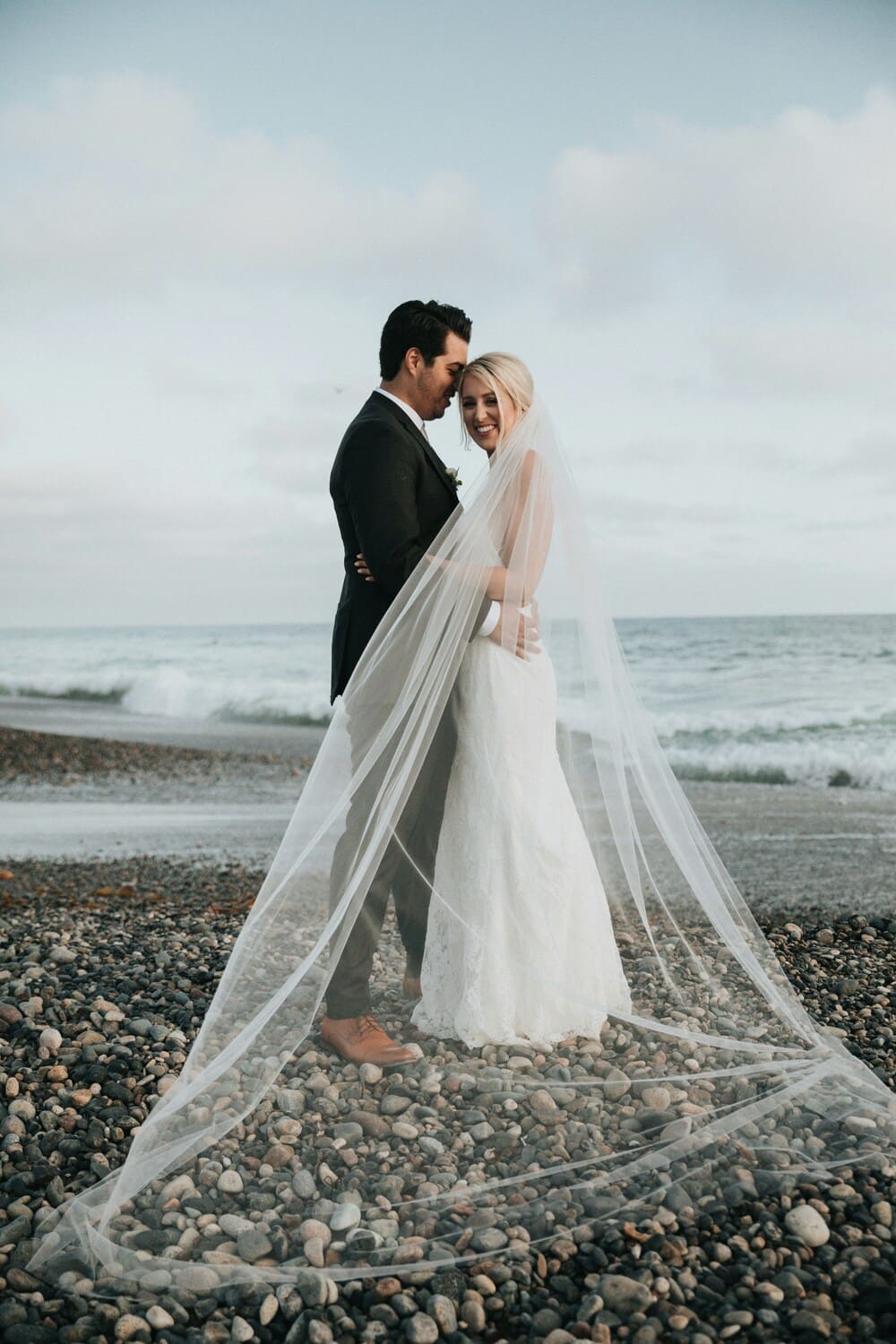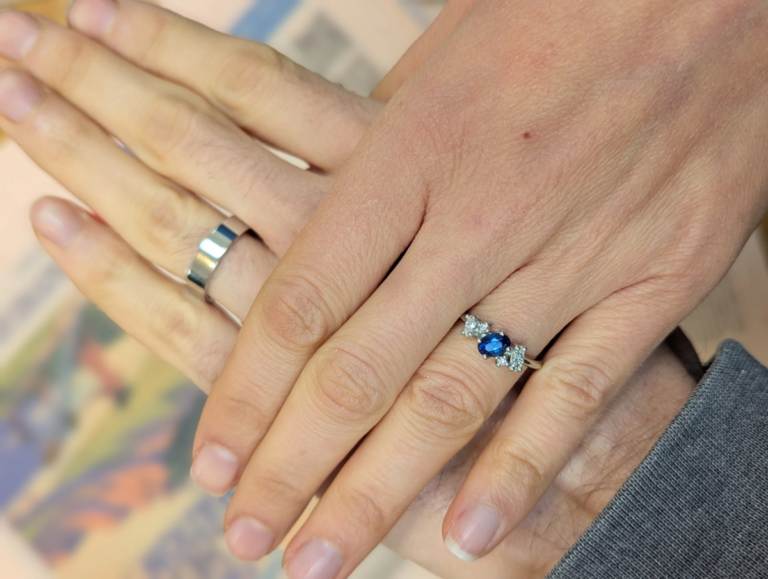
But the modern wedding landscape has shifted dramatically. Couples today are prioritising storytelling over tradition. We see it in the rise of elopements, colourful bridal wear, and diverse venues. Naturally, this shift has reached the most permanent symbol of that union: the ring.
As an independent jeweller, I have watched the demand for “off-the-shelf” rings plateau while the hunger for bespoke, one-of-a-kind creations has skyrocketed. Designing a ring from scratch isn’t just about being different for the sake of it; it’s about creating a future heirloom that actually reflects the person wearing it.
If you are considering stepping off the high street and into the studio, this guide will walk you through the bespoke journey—from finding your aesthetic to understanding the ethics of your materials.
Step 1: Ditching the “Rules” and Finding Your Aesthetic
The first hurdle in bespoke design is often the misconception that you need to be an artist to commission a piece of jewellery. You don’t. You just need to know what you don’t like, and have an inkling of what you love.
For 2026 and beyond, we are seeing a massive departure from symmetry. For decades, the “perfect” ring was defined by balance—a central stone flanked by two identical smaller stones. Today, the most exciting designs embrace what we call “Chaotic Asymmetry.”
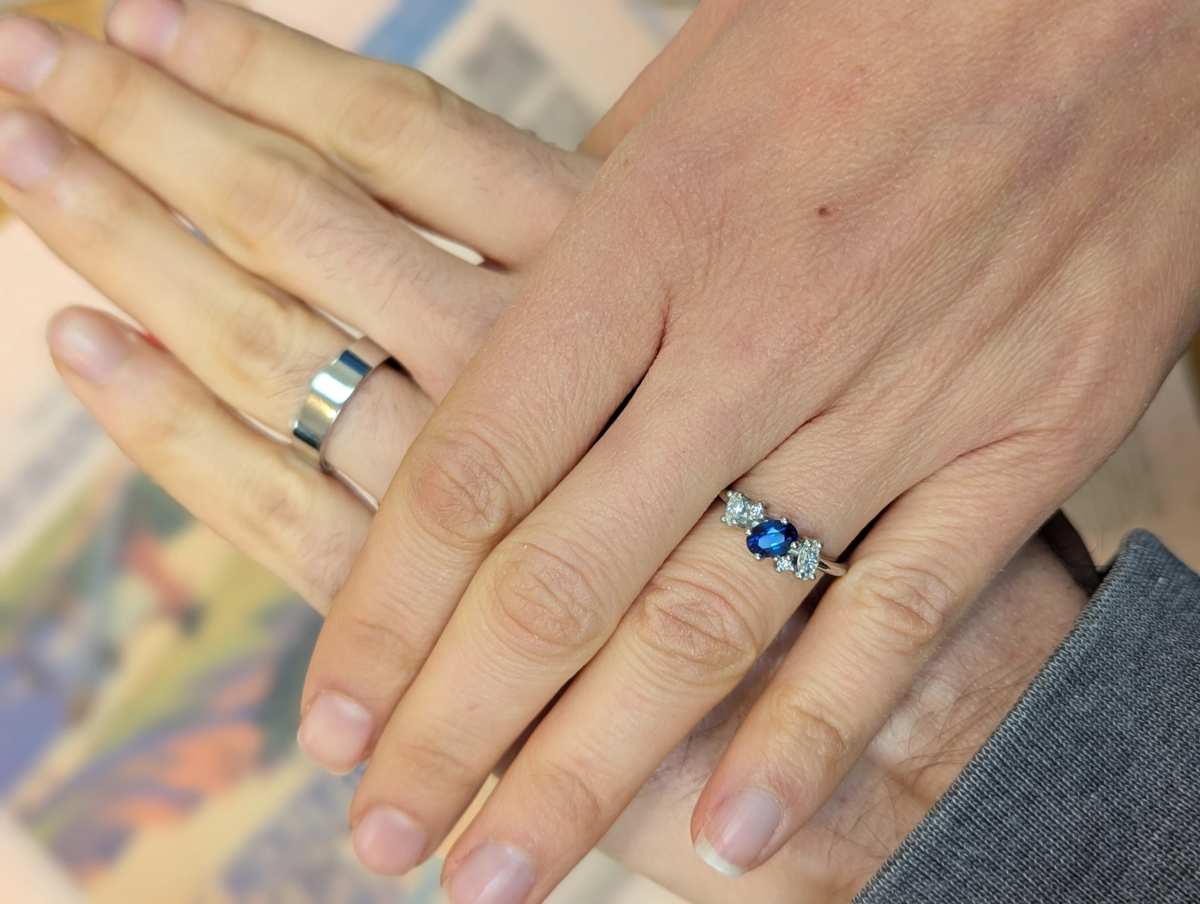
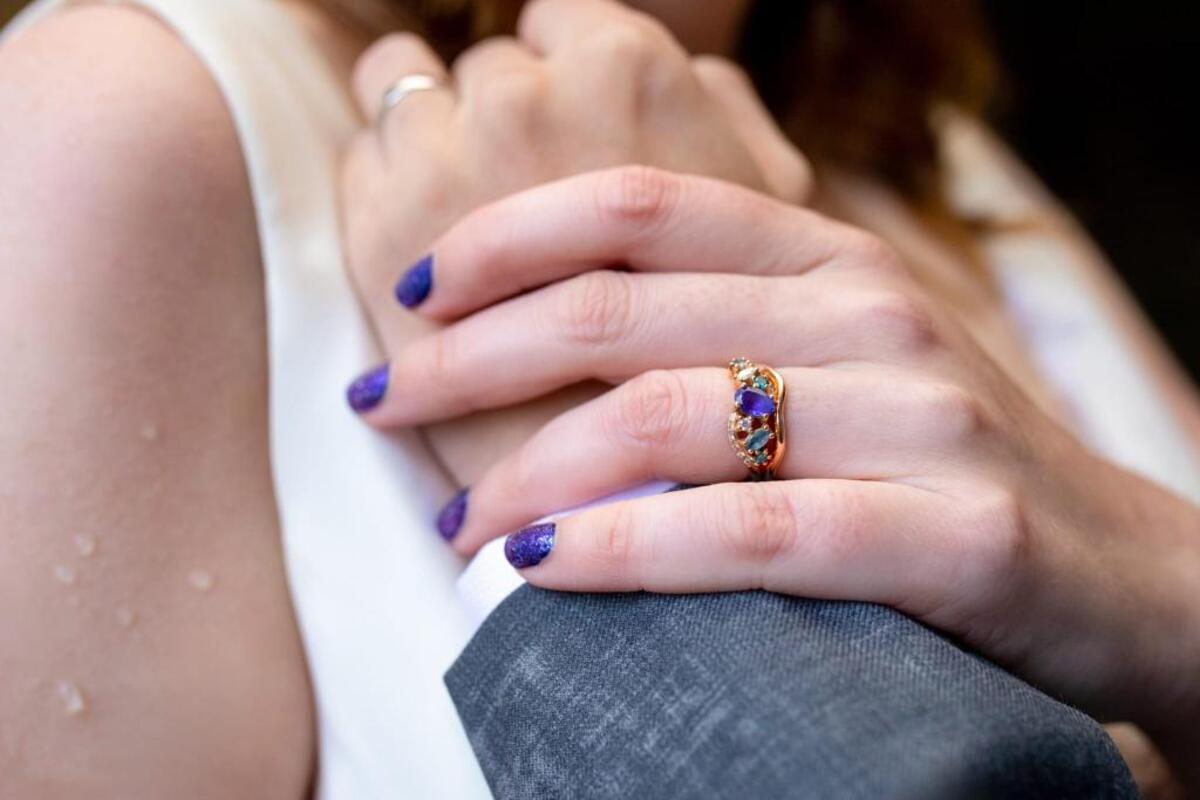
Think of an organic cluster where stones of different shapes and sizes—perhaps a pear cut nestled next to a tiny brilliant cut gemstones and diamonds—are scattered across the band. It mimics the unrefined, effortless beauty found in nature. It feels grown, rather than manufactured. If you are a bride who prefers wildflowers to structured bouquets, this aesthetic is likely your spiritual home.
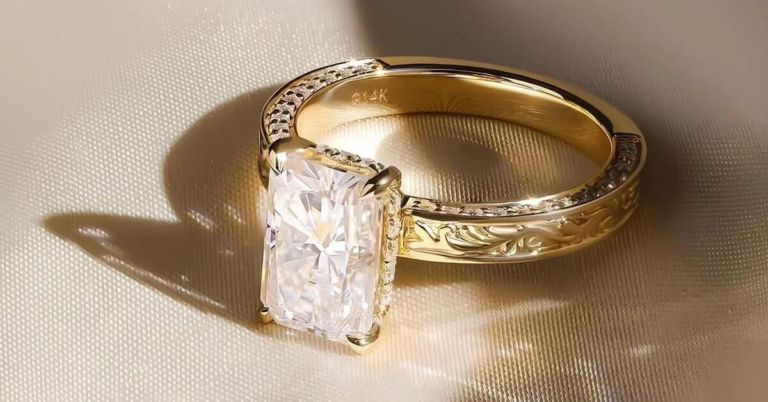
However, if your style is cleaner, look towards the architectural trends. We are seeing a renaissance of “Chunky Gold” settings. Delicate, whisper-thin bands are being swapped for substantial, tactile metalwork that feels luxurious and heavy to the touch. It’s a move away from “dainty” towards “durable.”
Actionable Tip: Don’t just look at rings for inspiration. Look at architecture, textures in nature, or even furniture design. Do you love clean lines and industrial metals, or soft, flowing, organic shapes? Show these to your jeweller. A good designer can translate a love for Art Deco architecture into a ring setting far better than they can copy a picture from Pinterest.
Step 2: The Stone – Looking Beyond the White Diamond
The mantra that “a diamond is forever” is powerful marketing, but it isn’t the only option. While diamonds are incredibly durable (ranking 10 on the Mohs scale of hardness), the world of coloured gemstones offers a depth of personality that a clear stone sometimes lacks.
The Rise of the Sapphire
If you want colour without compromising on durability, sapphires are the answer. Ranking at 9 on the Mohs scale, they are tough enough for daily wear. But forget the traditional royal blue.
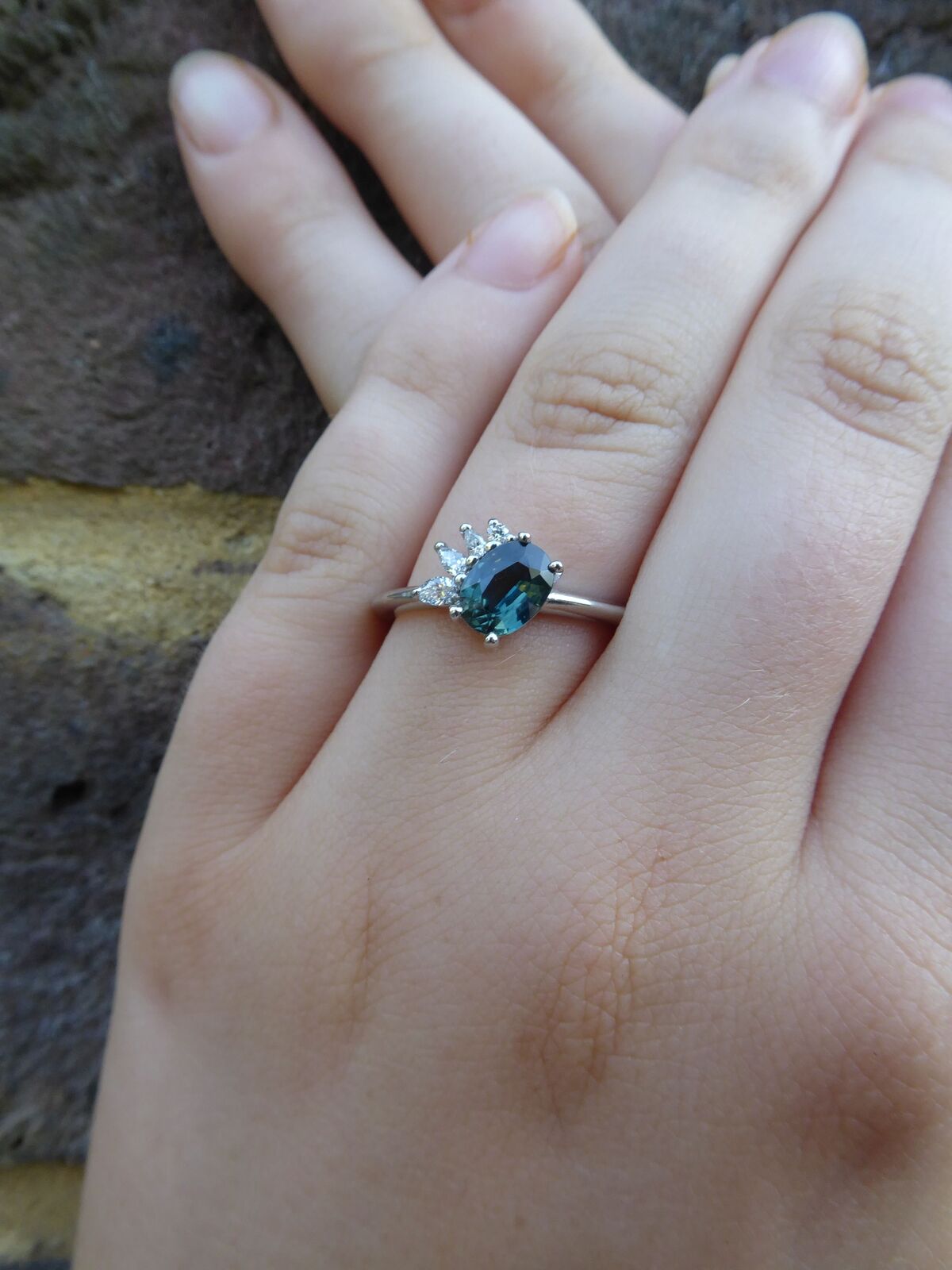
The current darlings of the bespoke world are Teal Sapphires—a sophisticated, moody blend of blue and green that looks incredible in both white gold and platinum. No two teal sapphires are exactly alike; some lean towards deep ocean blue, others towards a lighter forest green. This natural variation guarantees your ring is unique before you’ve even sketched the design.
We are also seeing a sophisticated turn towards Pink Sapphires. Moving away from the bright “bubblegum” pinks, modern buyers are hunting for soft peach-champagne tones or deep, rich magentas. These offer a romantic warmth that feels contemporary.
The “Salt and Pepper” Diamond
If you are committed to a diamond but want something with character, consider a “Salt and Pepper” diamond. These stones have natural inclusions (black and white flecks) that were once considered flaws but are now celebrated for their galaxy-like appearance. They are wild, interesting, and generally more affordable than high-clarity white diamonds, allowing you to get a larger stone for your budget.
Step 3: Metal Matters – The Ethics of Your Ring
A bespoke ring shouldn’t just look good; it should feel good to wear, ethically speaking. The jewellery industry has a complex history, but the modern bespoke sector is leading the charge in sustainability.
When you work with an independent studio like Nude Jewellery, you have the power to ask exactly where your materials come from.
Recycled Gold and Platinum
One of the most impactful choices you can make is to request 100% recycled precious metals. This is gold or platinum that has been refined back to its pure element from old jewellery, industrial metals, or electronic waste. It has the exact same quality and molecular structure as “newly mined” gold but without the environmental devastation associated with mining.
Remodelling Heirlooms
Perhaps the most sentimental (and sustainable) route is remodelling. Many couples come to us with a grandmother’s brooch or a parent’s outdated engagement ring. We can melt down the gold to create a new, modern band, and reset the family diamonds into a contemporary piece of jewellery. It carries the emotional weight of the past while freeing you from wearing a design that doesn’t fit your style.
Step 4: The Design Process – From Sketch to Sparkle
So, you have your inspiration. What actually happens next?
1. The Consultation: This is usually a relaxed conversation (often over coffee) where we look at your mood boards, sketches or scribbles and crucially, look at loose stones. Seeing a sapphire in natural daylight is very different from seeing it on a screen.
2. The Sketches: Your jeweller will hand-draw or digitally render several options. This is the collaborative part—you might love the band from Sketch A but the setting from Sketch B. In a bespoke process, you can merge them.
3. The Wax Model: This is the game-changer. Before we cast anything in expensive metal, we often carve the ring in wax or print a 3D resin model. You can try this on. You can see if the stone sits too high, or if the band feels too wide. It bridges the gap between imagination and reality.
4. The Casting and Setting: Once the wax is approved, the ring is cast in your chosen metal, cleaned up, and the stones are set by hand.
Step 5: Don’t Forget the Wedding Band
One common pitfall in engagement ring shopping is forgetting that, one day, it will need a neighbour.
If you opt for a low-set, organic, or unusually shaped engagement ring, a standard straight wedding band might not sit flush against it. This isn’t a disaster—in fact, it’s an opportunity.
Curved or “wishbone” wedding bands are designed to hug the contours of a unique engagement ring. Alternatively, many couples are now embracing the “gap.” There is a growing trend for stacking rings that don’t sit perfectly flush, creating a negative space between the two bands that feels modern and airy.
If you are commissioning a bespoke engagement ring, I always recommend discussing the wedding band at the same time, even if you don’t buy it yet. Your designer can create a “bridal suite” concept, ensuring that when the time comes, the two rings will lock together—or sit apart—intentionally.
A Future Heirloom
Designing a bespoke ring takes time—usually anywhere from 3 to 6 weeks. It requires a little more patience than walking out of a shop with a box in your pocket. But the result is incomparable.
You aren’t just buying a piece of jewellery; you are commissioning a piece of art that represents your specific relationship, your values, and your style. Whether you choose a chaotic cluster of teal sapphires or a sleek, recycled platinum band with a repurposed family diamond, the result will be authentically yours. And in a world of mass production, that is the ultimate luxury.
Don’t forget to pin this to your Rings Board for later!