We’ve decoded the designer terminology to save you from a bridal breakdown. You’ll learn how each silhouette actually feels to wear, plus get a practical guide to picking your bustle. Let’s start with the A-line — because it’s the safe bet for a reason.
1. The A-Line: Your Wardrobe’s New Best Friend

Why does every bridal consultant act like the A-line is the only dress on earth? Is it a secret conspiracy, or is this silhouette simply the “jeans and a tee” of the bridal world? Honestly? A little of both.
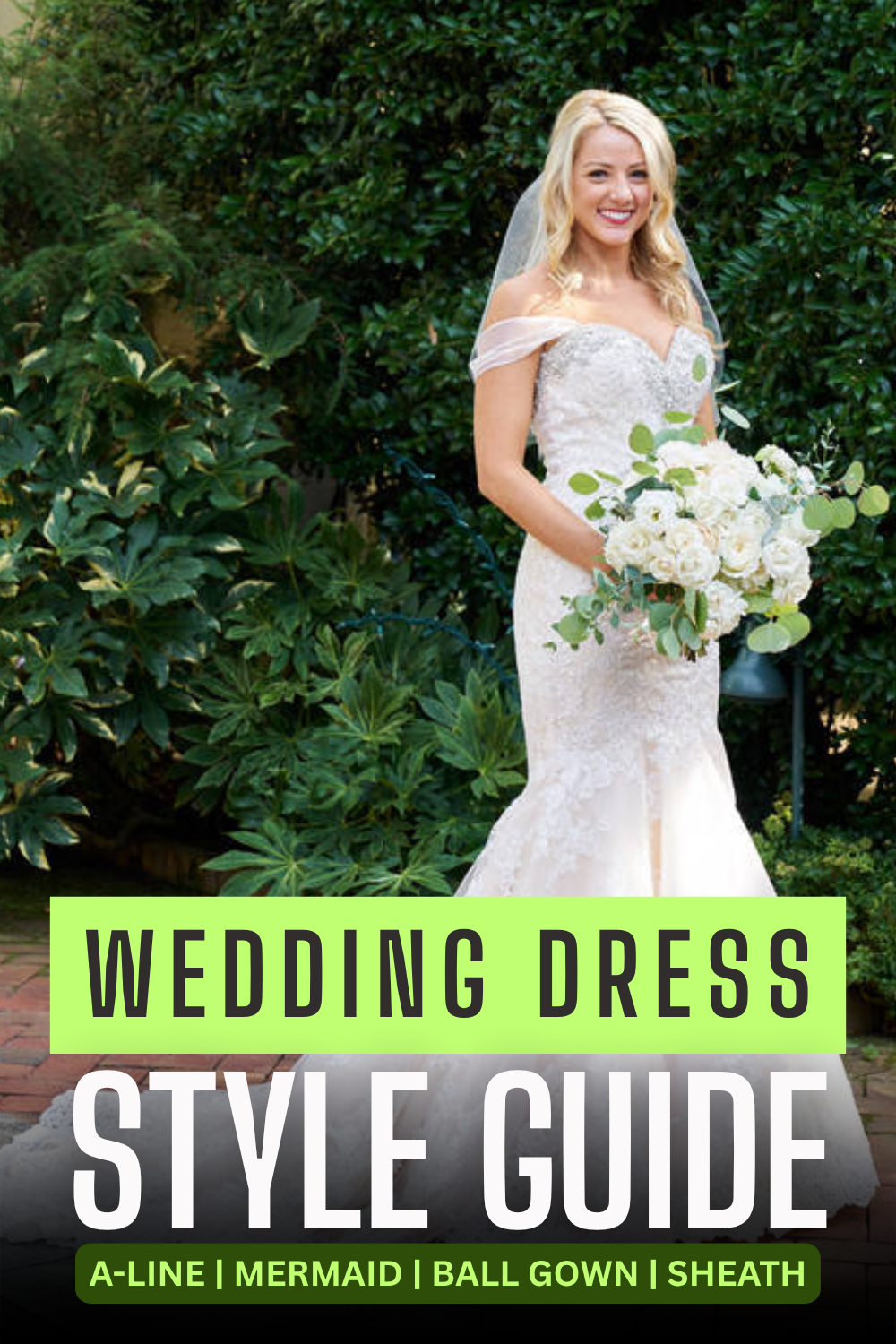
The A-line is the Goldilocks of wedding dress styles. It features a fitted bodice and a skirt that widens gently from the hips — like a capital “A.” You get a balanced, regal shape without the back-breaking weight of a massive ballgown, and it flatters almost every body type beautifully. Pick this one if you want waist definition without fabric clinging to your lower half.
How It Handles the Big Day
This is where the A-line really earns its reputation as a crowd-pleaser.
- Venues: Thrives anywhere — from a breezy vineyard to a formal ballroom.
- Wearability: Easy to walk, sit, and dance. The train and bustle are usually straightforward.
- Styling: Lace for romantic vibes, sleek satin for a modern edge — it plays nice with nearly any neckline or veil.
If you’re feeling overwhelmed by options, we’d always tell a friend to start here first.
2. The Ballgown: Your “Go Big or Go Home” Fairytale Moment
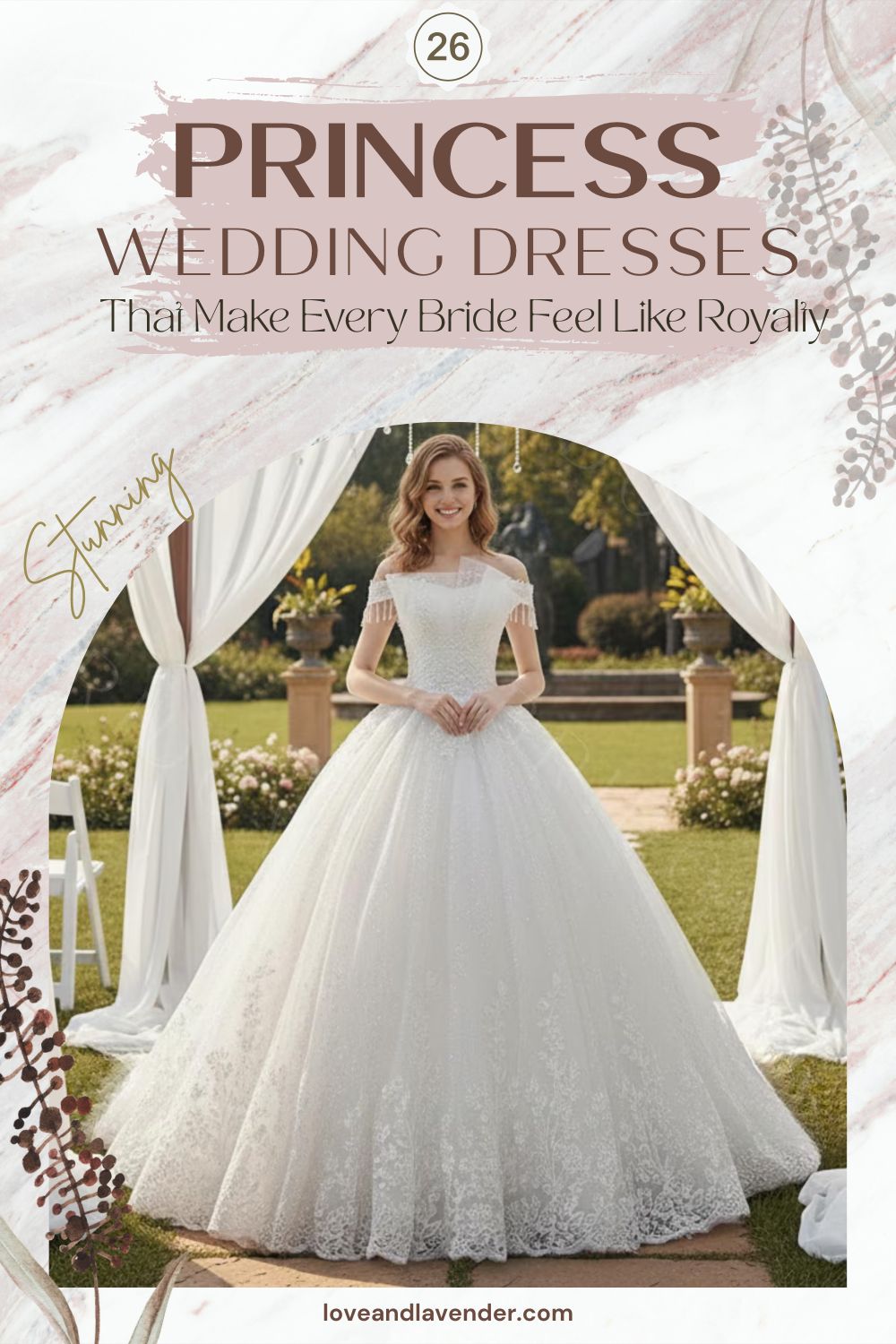
If you want a classic Cinderella silhouette and an entrance people actually gasp at, the ballgown is your ultimate main character move. This style features a fitted bodice and a skirt that explodes with volume right at the waist — and it is iconic.
It’s one of the most dramatic wedding dress styles for grand, formal venues. We’re talking cathedrals, ballrooms, and historic estates where the architecture is basically asking for this level of drama.
In most fashion and bridal contexts, “princess” and “ball gown” mean the same silhouette.
A ball gown describes the shape:
- Tight, structured top
- Very narrow waist
- Extremely full skirt that spreads widely from the waist
A princess dress is usually just a more romantic or marketing-style name for that same outline. The idea comes from fairy-tale imagery of royalty.
Things to Know Before You Commit
The ballgown is beautiful, but it comes with a few realities worth discussing before you say yes to the dress.
- The Drama: Gold standard for a formal, high-impact look.
- The Photos: Large skirts look incredible in wide-angle architectural shots.
- The Pockets: Many modern versions include them — perfect for the chaotic-good bride.
All that fabric adds weight and can overwhelm petite frames. You’ll also need a reliable “pit crew” of bridesmaids to help navigate the bathroom stall (yes, we’re serious — plan ahead). If your bodice is heavily embellished, keep jewelry minimal to avoid looking cluttered. The good news? Full skirts hide bustles easily, which we’ll cover in our bustle section below.
See princess / ball gown dresses here.
3. The Fit-and-Flare: Curves Without the “Sausage” Casing
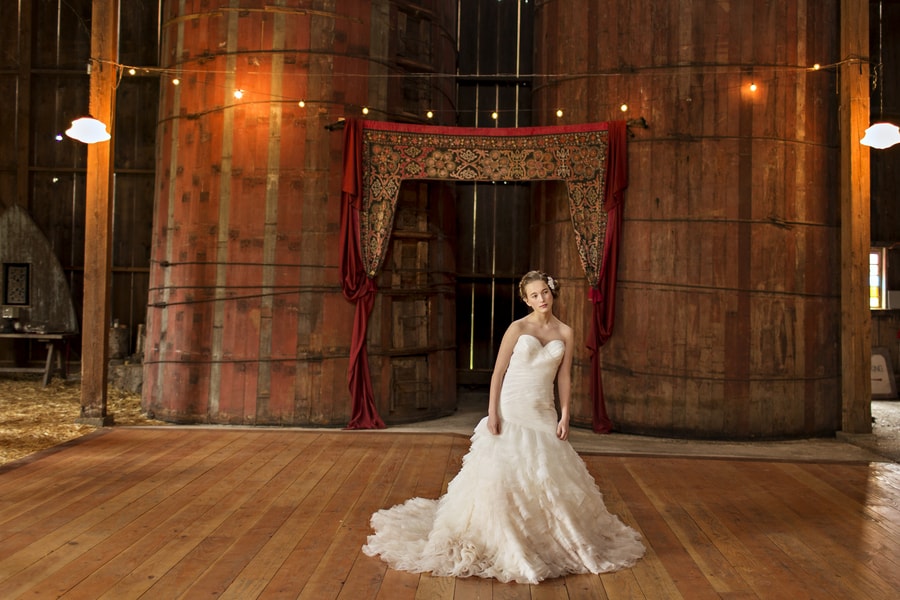
Why do some brides look like effortless goddesses while others look like they’re surviving a spandex hostage situation? It’s all about where the “fit” ends and the “flare” begins.
The fit-and-flare is the chill, older sister of the mermaid gown. It hugs your bodice and hips but widens just below the hip rather than at the knee — so you get that gorgeous silhouette without feeling like your legs are duct-taped together. We think it’s the ultimate wedding dress style for curvy, petite, or hourglass brides who want shape without the vacuum-sealed sensation.
- Venues: Ideal for garden weddings or modern lofts where you actually plan to move, dance, and mingle.
- Wearability: Always test your ability to sit and climb stairs during your fitting. Look for stretch linings so you can breathe through the cake cutting.
- Styling: Off-shoulder or sweetheart necklines pair beautifully with a mid-length veil for a romantic finish.
- Pro Tip: Request an under-bustle to keep your back line clean and sharp once the party starts.
4. The Mermaid: High Drama and Tiny Steps
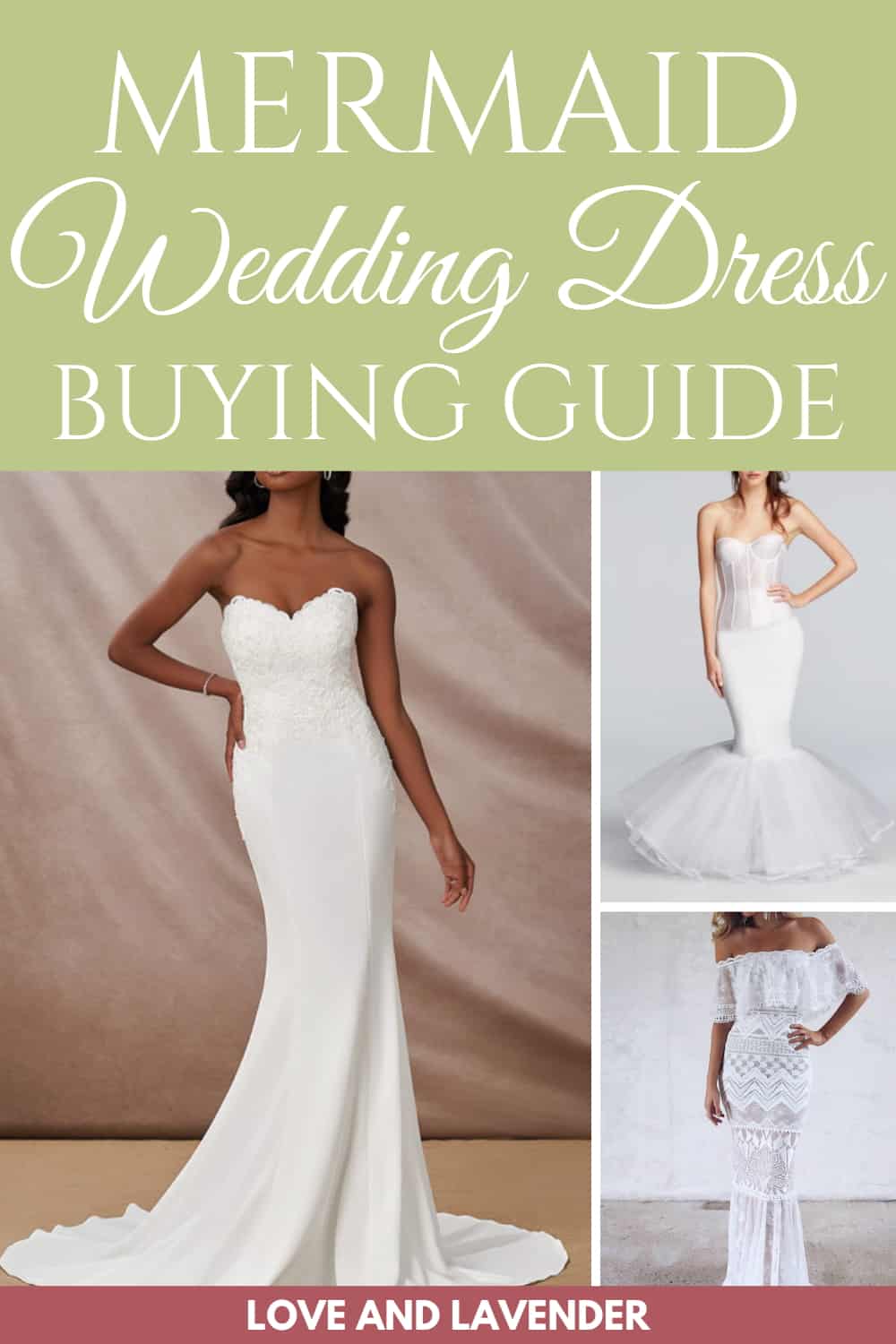
If you want maximum curves and a sculpted, ultra-glam look that commands the room, the mermaid is calling your name. This silhouette is fitted from bust to knee before flaring into a dramatic skirt — and it photographs like a dream.
It shines at black-tie evening weddings, modern lofts, and upscale indoor venues. If you’re a confident bride who loves structure and isn’t afraid of a little extra attention, this one’s your winner.
Let’s Be Real About Wearability
Mobility is more of a “suggested feature” with the mermaid. We always recommend the sit + step + dance test at your fitting — stairs can get spicy when your knees are hugged this tightly! A few things to keep in mind:
- The Bustle: This is crucial. A poorly executed bustle will distort your silhouette and look like a satin backpack. Find a great alterations specialist.
- Styling: Let the dress do the talking. Stick to statement earrings and clean, polished hair.
Setting realistic expectations for movement upfront will save you from “mermaid regret” on the big day.
See gorgeous mermaid dresses here.
5. The Trumpet: Curves Without the Knee Lock

Do you want to look like a total bombshell without having to hop to the buffet? Classic bridal dilemma. If the mermaid feels like a straightjacket but the fit-and-flare feels too subtle, the trumpet silhouette is your sweet spot.
Think of it as the Goldilocks of curve-forward wedding dress styles. It hugs your curves down to the mid-thigh before flaring out — so since the flare starts well above the knee, your legs aren’t held hostage. You get that enviable silhouette plus the actual freedom to move and dance.
- Best For: Brides seeking high drama without total knee restriction.
- Venues: Formal ceremonies or lively receptions where you plan to mingle and actually move.
- Wearability: Always do a “stride test” during your fitting. Look for fabrics with a bit of stretch so sitting through dinner is comfortable.
- Styling Tip: Pair with a cathedral-length veil to balance the proportions of the flare.
6. The Column and Sheath: Effortless Chic
If a heavy skirt is making you want to elope in a tracksuit, the column silhouette is here to save the day.
This straight, narrow cut skims your body with minimal flare — it’s the ultimate “cool girl” choice in wedding dress styles because it relies on impeccable tailoring rather than volume. Without tulle to hide behind, premium fabric is everything. We’re talking crepe or silk, not something that’s going to wrinkle five minutes into cocktail hour.
Who Should Wear It
This silhouette isn’t for everyone, and that’s exactly what makes it so chic.
- Frames: Ideal for petite, tall, or athletic builds.
- Venues: Perfect for destination weddings, beach ceremonies, or modern lofts.
- Vibe: The low-fuss bride who wants a polished, modern look without the drama.
Check the fabric for stretch so you don’t spend the night feeling like a silk-wrapped burrito. Long trains on narrow dresses also require smart bustling — plan that out at your fitting. And since the look is minimalist, treat it as a canvas: a bold veil, a chic cape, or dramatic earrings take it from “pretty” to stunning.
7. The Empire Waist: High-Waisted Magic

Is your midsection being interrogated by a corset? Total vibe-killer when you’re trying to enjoy your champagne. If a restrictive waistband sounds like a nightmare, the empire waist is your new best friend.
This silhouette places the waistline right below the bust, letting the skirt flow freely. It’s one of those wedding dress styles that gives you legs for days while letting you breathe, eat, and exist comfortably for eight hours straight.
Why We Love It
Think airy comfort and zero midsection cling — it’s the ultimate no-stress silhouette for brides who want a gentle, floaty shape without any fuss.
- Best for: Petite brides or anyone wanting to elongate their frame.
- Venues: Perfect for beach, garden, or boho destination weddings.
- Wearability: Ideal for warm weather — but do choose structured fabrics to avoid looking shapeless in photos.
To nail the ethereal vibe, we love pairing this with romantic sleeves, soft waves, and delicate jewelry. Problem solved!
8. The Dropped Waist: High-Fashion Drama
Why do some brides look runway-ready while others look like they’re losing a fight with an optical illusion? The answer is usually the dropped waist. This silhouette extends the bodice past the natural waist to hug the hips before the skirt flares — blending 1920s vintage vibes with sharp, modern lines.
It’s one of those wedding dress styles that screams high-fashion. If you want structured, editorial drama, this is your winner.
Is It Your Match?
There’s an important caveat here, and we’d be doing you a disservice not to mention it: proportion is everything with this silhouette.
- Best for: Tall frames, hourglass shapes, and brides who love an editorial vibe.
- Venues: Black-tie city lofts or moody, historic mansions.
- Styling: Keep accessories clean so the dramatic silhouette does the heavy lifting.
If the flare starts an inch too low, your legs will look surprisingly short. Try on multiple versions and prioritize expert alterations to make sure the fit lands exactly where your body needs it.
9. The Tea-Length: Your “Show-Off-The-Shoes” Secret Weapon

Why drop four figures on designer heels just to hide them under ten pounds of tulle? It’s a genuine fashion crime, and we won’t stand for it. If you’re ready to ditch floor-length drama, the tea-length silhouette is your playful secret weapon.
This hemline hits between the knee and ankle, blending 1950s retro vibes with total mobility. You get the iconic bridal look without the constant fear of tripping over your own feet — and everyone gets to see the shoes.
Why It’s a Reception Win
This cut is a genuinely sanity-saving alternative to traditional gowns, and we’re big fans of it for a few reasons.
- Venue Versatility: Ideal for courthouse ceremonies, garden parties, or casual brunch receptions.
- No Bustle Needed: Skip the complicated safety pins. Your MOH will genuinely thank you for the stress-free transition to the dance floor.
- Styling Tip: Lean into the vintage aesthetic with a birdcage veil and high-personality heels.
26 Tea Length Wedding Dresses – Affordable and Stylish!
10. The High-Low Hemline: The Best of Both Worlds
Why choose between a cheeky mini and a royal train? The high-low silhouette is the ultimate “why not both” answer in wedding dress styles. It features a shorter front hemline that cascades into a full back — offering high-fashion drama without the “drowning in fabric” vibe.
It’s especially brilliant for outdoor venues, and here’s why we love recommending it.
- Outdoor Friendly: Glide through gardens or beaches without acting as a human vacuum for twigs and sand.
- Major Mobility: Walking becomes a breeze rather than a survival sport.
- Visual Impact: You get the architectural silhouette of a train with a modern, practical twist.
Since your legs are the star, statement shoes are basically mandatory (respectfully). Check your back length during the fitting to figure out whether you’ll need a simple bustle or a wrist loop for the reception.
11. The Short Dress: For the Bride Who Actually Wants to Party
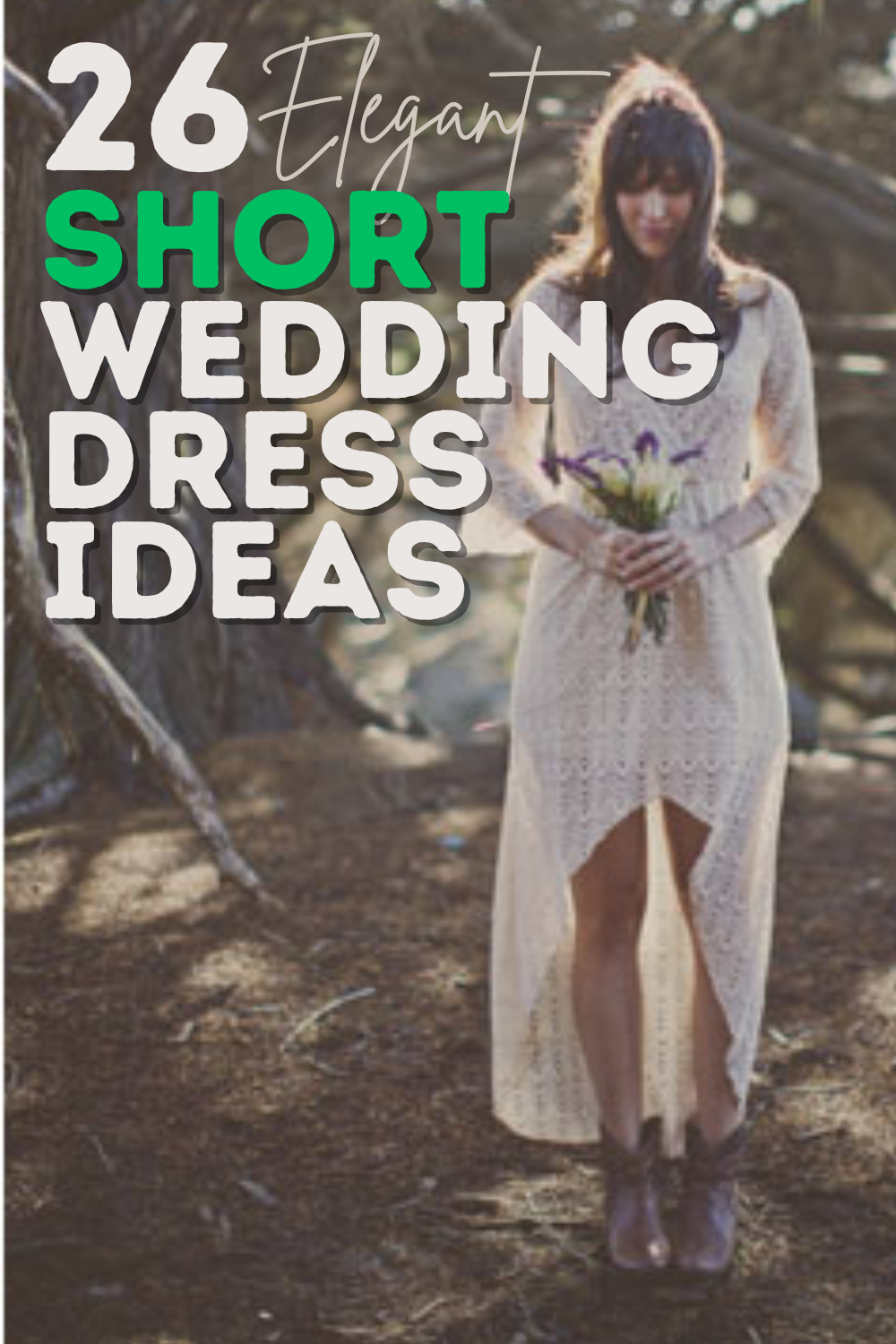
Is a traditional floor-length gown starting to look like a silk-and-tulle obstacle course? If you’re worried about tripping during your first dance or melting in July humidity, we say: embrace the mini.
A short silhouette hits between mid-thigh and the knee. Wedding dress styles like this are all about movement over stuffy tradition — and they make a stellar second-dress option for your reception if you want to change it up.
- Venues: City hall, breezy rooftops, backyard bashes, or destination elopements.
- Ideal For: Micro-weddings and brides who plan to dance hard all night.
- Wearability: No train means no complicated bustle. Precision fit and luxe fabric take center stage since there’s no volume to hide behind.
To keep it “bridal” rather than “party guest,” lean into accessories. A dramatic bow, sheer gloves, or a statement veil makes sure everyone knows you’re the bride.
28 Short Wedding Dresses That Prove Less Is More
12. Two-Piece and Convertible Gowns: The Wardrobe Magic Trick
Torn between a cathedral-worthy entrance and a dance-floor-ready reception? If buying two separate gowns makes your bank account weep, we have good news: separates and convertible wedding dress styles are a thing, and they’re brilliant.
Whether it’s a chic top-and-skirt combo or a base dress with a removable overskirt, you get serious personalization without the second-dress price tag. It’s the perfect solution for style-forward brides who want a dramatic reveal and practical dancing shoes.
- Two Looks in One: Transition from a regal ceremony silhouette to a streamlined party vibe in seconds.
- Better Fit: It’s often easier to tweak the fit of separates than a traditional one-piece gown.
- Ideal Venues: Modern rooftops, destination elopements, or edgy industrial spaces where convention goes out the window.
Our one golden rule: if your skirt is a tulle explosion, pair it with a clean bodice. Keep one element simple. And always prioritize waistband comfort and top support so you can breathe during the toast.
13. The Bridal Jumpsuit: Power Dressing for the Aisle
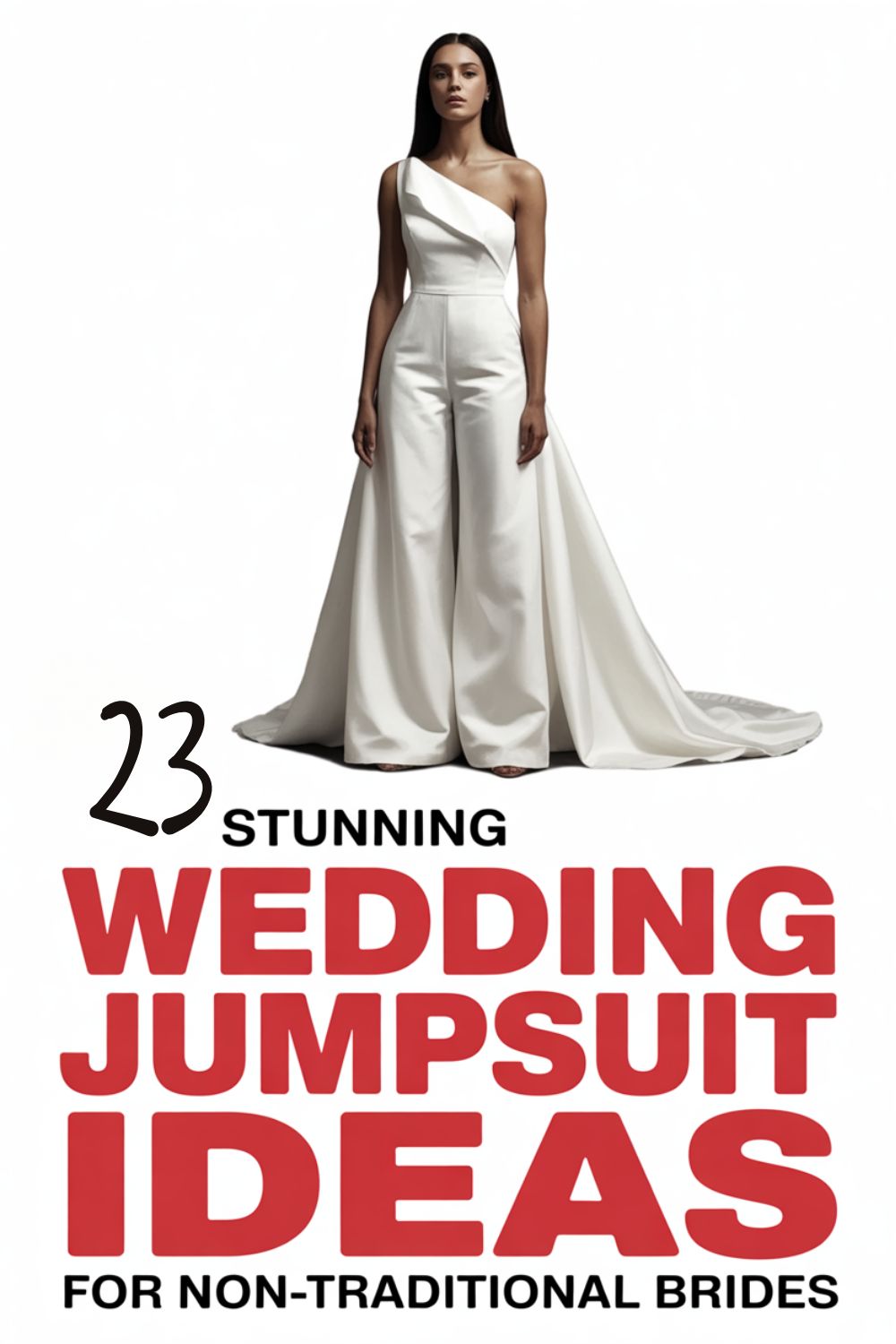
Does the thought of being trapped in a tulle cupcake make you break out in hives? If you’d rather wear a sleek one-piece than a traditional ballgown, the bridal jumpsuit is your fashion soulmate.
This one-piece look ranges from sharp, slim trousers to dramatic wide legs, and it’s designed for the modern, confident bride who wants to stride down the aisle rather than shuffle. Choose luxe bridal fabrics like heavy silk or beaded crepe for a formal vibe — it’s one of those wedding dress styles that proves you absolutely don’t need a skirt to own the room.
A heads-up on logistics, because we care about you: bathroom breaks are a solo mission. Since you’re essentially getting undressed in a bathroom stall, we strongly recommend doing a practice run at home before the wedding day.
Add drama with a floor-length cape, a sheer overskirt, or bold statement earrings. It’s edgy, comfortable, and completely fuss-free — and we’re a little obsessed with it.
14. The Bridal Suit: Sharp, Sophisticated, and Seriously Cool
Who decided being a bride requires three miles of tulle and a structural engineering degree just to sit down? If you’re over the gown drama, a tailored suit or skirt set is your high-fashion escape route.
This look is sharp, powerful, and perfect for personal styles that lean more “boss” than “ballerina.” It’s a knockout for courthouse weddings, urban ceremonies, and minimalist brides seeking gender-nonconforming wedding dress styles that feel authentically them.
Best Venues
The bridal suit thrives in settings that match its energy — think modern art museums, chic restaurants, or city hall elopements followed by a very good martini.
Because there’s no volume to hide behind, tailoring is everything. A flawless fit at the shoulders and waist keeps the silhouette crisp and intentional. Worried about looking too corporate? A floor-length veil, a bold hairpiece, or a structured bouquet bridges the gap beautifully. You’re here to lead the party — dress accordingly.
15. Convertible Elements: The Two-in-One Transformation
Why choose between cathedral drama and dance-floor comfort when you can have both? Convertible wedding dress styles use removable sleeves, overskirts, capes, or toppers to shift your silhouette instantly — no celebrity budget or literal disappearing act required.
It’s our favorite hack for lovingly indecisive brides who want two distinct vibes with just one dress purchase.
- Best Venues: Anywhere, honestly — but especially great for full-day weddings that move from a formal church ceremony to a rustic barn party.
- Wearability: Test every button, snap, and tie at your fitting. They need to stay put until you decide they don’t.
- Support: Assign a “transformation captain” — usually a bridesmaid — to help you shed layers between the ceremony and cocktail hour.
The golden rule here: make your base look the one you can actually dance in. Add the drama on top, then peel it away when the DJ starts. Problem solved, with zero outfit-change stress.
16. Beyond the White Dress: Cultural and Adaptive Attire
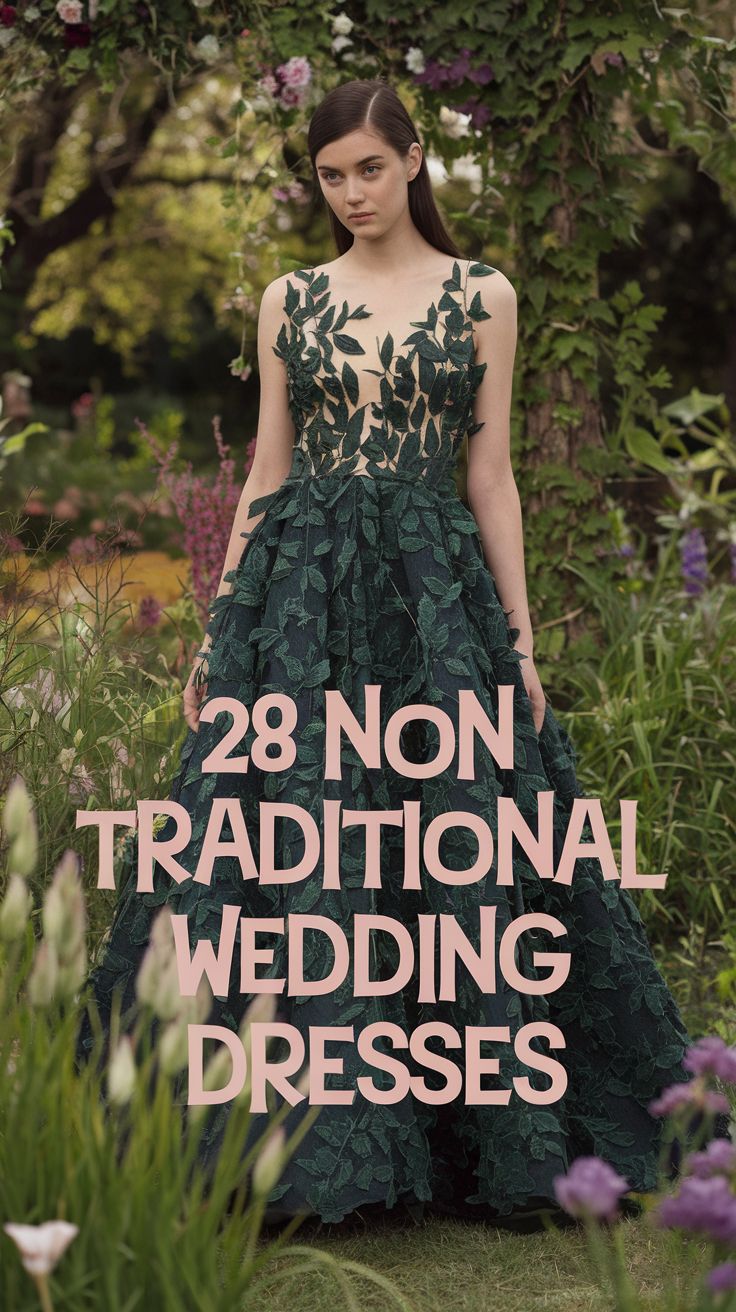
Does a standard white gown feel more like a costume than a celebration? If your heritage or accessibility needs fall outside the traditional mold, it’s time to find wedding dress styles that actually reflect you.
We’re talking non-Western silhouettes, fusion looks, and adaptive designs featuring sensory-friendly fabrics or mobility-focused closures — identity-first styling that centers your comfort and cultural story rather than forcing a fit that was never designed for you.
To keep a non-traditional look feeling cohesive, a few things help: stick to a tight color palette, repeat specific embroidery or beading patterns in your accessories, and let one statement piece anchor the whole outfit. Consult your tailor early about specialized closures, sleeve adjustments, or bustle needs.
You have our full permission to prioritize cultural authenticity and physical comfort over whatever happens to be “in” this season.
26 Non Traditional Wedding Dresses To Fit Your Vibe
How to Choose Your Wedding Dress Style: The Final Decision Roadmap
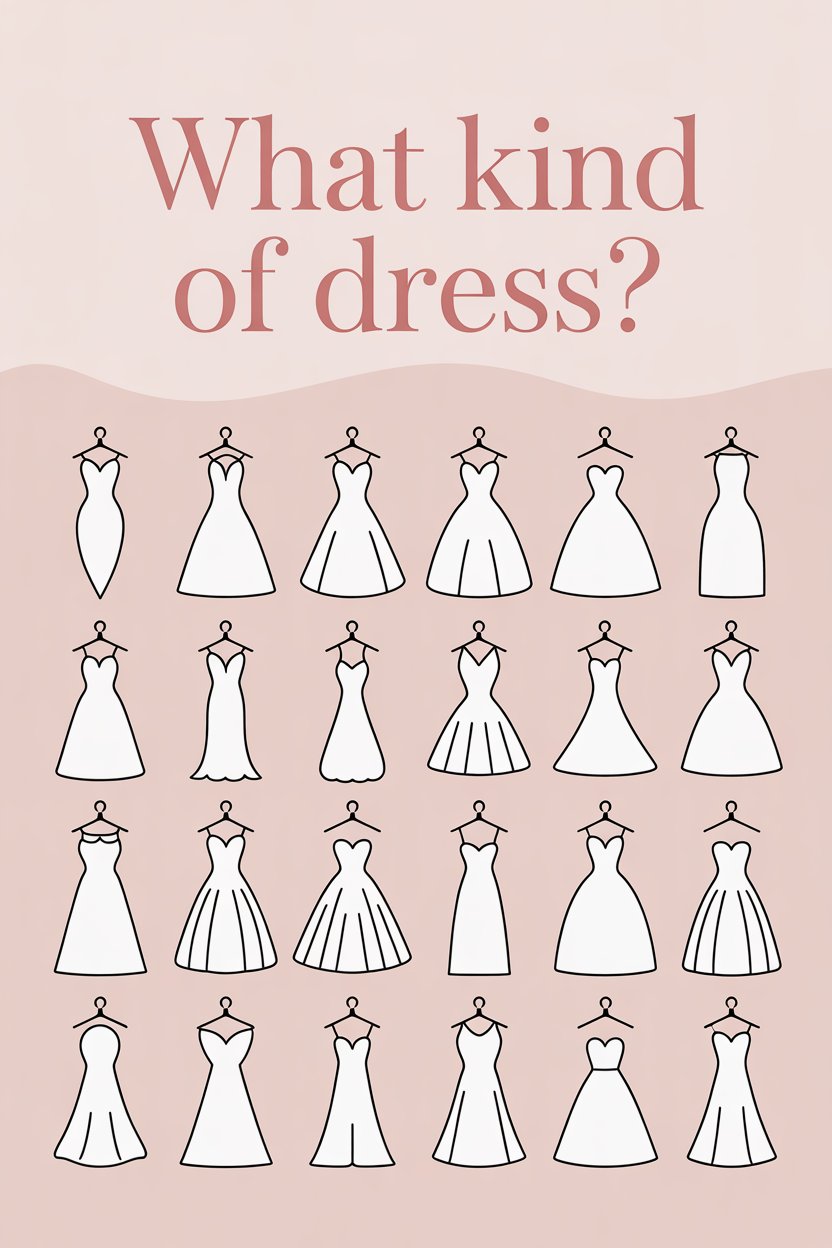
Okay — you’ve seen the silhouettes. Now it’s time to get tactical. Because the most stunning gown in the world fails if you can’t survive eight hours in it. Here’s how we’d walk a friend through turning their favorite wedding dress styles into a real plan for the big day.
Step 1: Map Your Real-World Constraints
Before you step into a single fitting room, spend two minutes analyzing your actual logistics. Evaluate these four things first.
- Terrain and Temperature: Are you navigating sand, gravel, or vintage parquet? Skip heavy Mikado if your venue is a 90-degree vineyard.
- The Movement Quotient: Do you need range of motion for a choreographed dance, or are you more of a “sway in place” person?
- Comfort Needs: If you feel claustrophobic in tight clothing, the mermaid is not your friend.
- Duration: Plan for a 10-hour day. You need to breathe, eat, and sit without restriction.
Step 2: The At-a-Glance Silhouette Chart
Use this chart to filter your favorite wedding dress styles by venue practicalities and the vibe you’re going for.
| Silhouette | The Vibe | Movement | Best Venue | Bustle Difficulty |
|---|---|---|---|---|
| A-Line | Classic | High | Anywhere | Easy |
| Ball Gown | Regal | Medium | Cathedral | Medium |
| Sheath | Modern | High | Beach/City | Easy |
| Fit-and-Flare | Romantic | Medium | Garden | Medium |
| Mermaid | Ultra-Glam | Low | Black-Tie | Hard |
| Tea-Length | Retro | High | Courthouse | None |
| Separates | Personalized | High | Rooftop | Variable |
| Jumpsuit | Edgy | Max | City Hall | None |
Step 3: The Fabric Matrix
Fabric dictates how a dress behaves, moves, and photographs. Here’s our quick cheat sheet for matching material to silhouette.
- Mikado or Structured Satin: Best for A-lines or ball gowns. Holds a sharp architectural shape, but it’s heavy and wrinkles.
- Crepe: Go-to for sheath or clean mermaid styles. Sleek drape with slight stretch — but unforgiving with underwear lines.
- Chiffon: Beautiful for empire or soft A-line dresses. Breathable in heat, but snags easily on jewelry or outdoor debris.
- Organza: Ideal for ball gown layers. Light but crisp volume without satin’s weight — twirls beautifully, but can feel scratchy against skin.
Step 4: Support and Smoothing Cheat Sheet
Your dress is only as good as the foundation underneath it. Here’s what we recommend based on neckline and back style.
- Strapless Gowns: Prioritize internal boning or a built-in waist cincher. A longline strapless bra prevents the constant “tugging up” dance.
- Plunging V-Neck: Don’t rely on luck — use professional-grade body tape or a specialized plunge bra with a low-set bridge.
- Backless or Low-Back: Ask your tailor to sew supportive cups directly into the dress. Adhesive silicone cups add extra lift.
- The Comfort Win: Smoothing shorts over a thong, always. Anti-chafe protection is non-negotiable for summer weddings.
Step 5: The Bustle Guide
A bustle is the system of buttons or ties that lifts your train after the ceremony so nobody trips on your hem — including you. Here are the main types.
- American Bustle (Over-Bustle): Lifts the train and hooks it to the outside of the skirt. Simplest method, works best for ballgowns.
- French Bustle (Under-Bustle): Tucks the fabric under itself using ribbons for a clean back line. A favorite for mermaid and fit-and-flare silhouettes.
- Ballroom Bustle: Pins the train all the way around the hem so the gown looks like a standard floor-length dress.
Assign one person to learn your bustle — and film your consultant doing it at the final fitting. Your bridesmaid will need that cheat sheet.
Step 6: The “Dress UX” Appointment Tests
Don’t just look in the mirror. We always tell brides to put the dress through a real user experience test at their appointment.
- The Sit Test: Sit for one full minute. The bodice shouldn’t dig into your ribs or make breathing difficult.
- The Stair Test: Pick up your skirt and walk. No tripping on the front hem.
- The Bathroom Plan: Can you manage alone, or do you need a bathroom pit crew?
- The Hug Test: Wrap your arms around someone. Sleeves and straps shouldn’t restrict your reach.
- The Dance Step: A quick spin or two-step. If the dress feels like a lead weight, the reception is going to be rough.
You’re not picking a dress for the internet or a curated feed. You’re picking it for your actual body and your actual day. Choose the one that lets you be the lead character instead of keeping you stuck on the sidelines.
Frequently Asked Questions About Wedding Dress Styles
What is the difference between mermaid, trumpet, and fit-and-flare?
The main difference is the “flare point” on your leg. Mermaid gowns flare at or below the knee for a sculpted, ultra-glam look — and they’re also the most restrictive for walking or sitting. Trumpet silhouettes flare at the mid-thigh, giving your knees significantly more breathing room. Fit-and-flare is the most mobile of the three, with a soft, subtle flare that starts just below the hip. Scroll back up to the individual sections for a more detailed breakdown of each.
What bustle type should I get for my dress?
Your bustle choice depends on your silhouette and whether you want the fabric folds to show. An American bustle hooks the train to the outside of the skirt for a layered, cascading effect. The French bustle tucks the train under itself for a cleaner back line — a favorite for fitted mermaid or trumpet gowns. Ballroom bustles hide the train completely, making the skirt look like a standard floor-length dress. And we cannot stress this enough: film your tailor doing the bustle so your bridesmaids have a cheat sheet on the day.
Which wedding dress silhouettes are easiest to dance in?
If you plan to spend the entire night on the dance floor, look toward tea-length, A-line, or sheath dresses — they offer the most leg room and weigh significantly less than formal ballgowns. Mermaid and heavy ball gowns are much harder to boogie in because of their weight and restriction. If you love a fitted look but still want to move, choose a stretch crepe version or look for a gown with a strategic slit. Trust us, you’ll thank yourself around hour three.
What fabrics work best for each silhouette?
Fabric is what makes a silhouette actually work in the real world. Use structured Mikado or heavy satin for crisp ball gown shapes. Crepe is the gold standard for sleek sheath or column dresses because it skims the body beautifully. For an airy, floaty vibe, choose chiffon or organza — lightweight fabrics that add volume without back-breaking weight, perfect for garden or beach weddings.
What if I want something unique or have accessibility needs?
Start with your functional needs and sensory comfort before you worry about the aesthetic. Build a unique look by choosing a silhouette that works for your body and layering in one cohesive styling motif — bold embroidery, a distinctive color, whatever feels like you. If you have accessibility needs, consult an alterations specialist as soon as you find a gown. Ask about easy-access closures, total dress weight, and specialized linings. Comfort first, always — the celebration is the point.
Don’t forget to pin this to your Wedding Dresses Board for later!