Then someone casually mentions the rehearsal dinner and suddenly there’s a whole other event on your plate that nobody really warned you about. Between managing who pays for what, keeping the guest list from exploding, and making sure the transition from ceremony site to dinner table doesn’t turn into a 40-person parking lot standoff, things can get messy fast.
This rehearsal dinner checklist covers the failure points other guides tend to gloss over, from AV snafus to seating dynamics to the exact moment you should stop planning and start delegating. You can follow it start to finish or jump straight to the section that’s currently giving you a headache.
1. Pick Your Format Before Your Budget Fights Back
The single biggest mistake couples make is skipping this step entirely and accidentally planning a second wedding they never wanted to fund. Before you look at a single venue or menu, decide what kind of night this actually is.
Choose Your Vibe
There are three main formats, and each one has completely different math attached to it:
- Classic Rehearsal Dinner: The VIP-only experience. Small, intimate, and perfect for the longer, more personal speeches that would genuinely bore a general crowd.
- Welcome Party Add-on: Host a private dinner for the wedding party first, then open things up for drinks and mingling with all out-of-town guests afterward.
- Combined Event: Everyone is invited. It’s a blast, but it requires a much larger budget and a lot more energy from you.
Think about how you want guests to feel. If the goal is warm and intimate but your guest list is already 80 people deep, you have a math problem. Decide now whether the vibe is quiet and personal, casual and rowdy, or somewhere in between.
Two Guardrails Worth Setting Now
First, set a hard end time. You and your wedding party need actual sleep before the big day, and nobody wants a zombie walking down the aisle because things ran until 2 AM. Second, follow the “not a second wedding” rule. If you’re debating elaborate lighting rigs or a full floral installation, you’ve gone too far. This night is the appetizer.
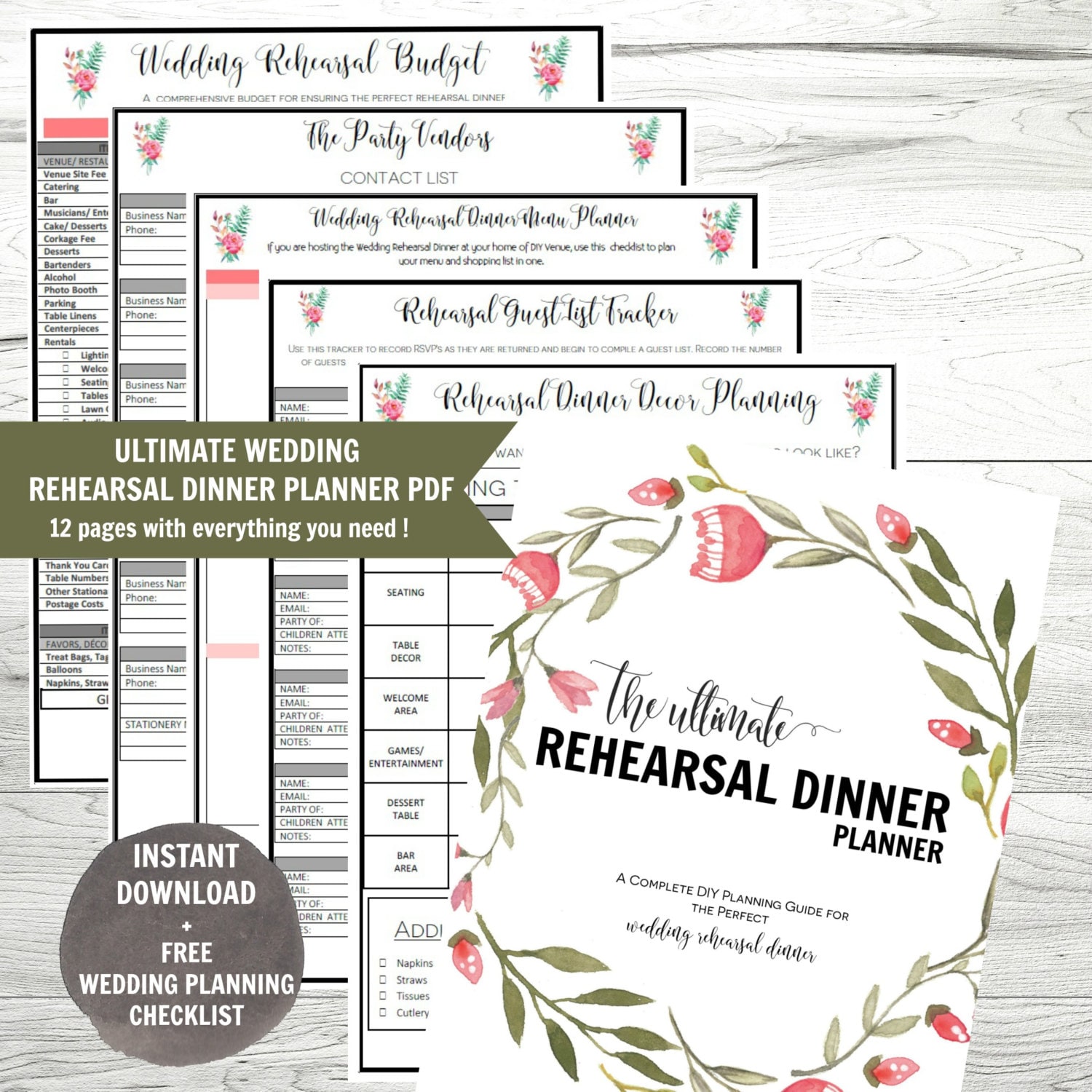
Rehearsal Dinner Planner With Checklist
2. Sort Out Who’s Paying Before the Centerpiece Wars Begin
Here’s the question that gets surprisingly complicated: who is actually signing the checks? If you don’t nail this down before you start looking at venues, you’re inviting passive-aggressive input on every single decision. The golden rule of wedding planning applies here too: whoever pays usually expects a seat at the creative table.
Decide the Hosting Structure
Get clear on the power dynamic before you look at a single menu option.
- One Host: A single person or couple manages the tab and makes the final calls.
- Split Hosts: Divide costs by category, like venue versus bar and decor.
- Couple Hosts: The power move for total creative control, if your savings can handle it.
Set Boundaries Early
Prevent surprise bagpipe players and unapproved guest additions by deciding upfront what you own versus what you’ll hand off. You keep the final word on the guest list, the vibe, and any surprise moments. The host can have input on menu style or decor level. Giving them a sandbox keeps everyone occupied and happy.
Get Crystal Clear on the Bill
Does the budget include the 22% gratuity? The AV fees for the slideshow? Valet parking for 80 people? Make sure the payment plan is in writing, including deposit deadlines and final payment timelines, before anyone shakes hands on anything.

3. Build Your Guest List Without the Family Drama
Explaining to Great Aunt Edna why her bridge club wasn’t invited is a social minefield and one of the fastest ways to blow your budget before the big day even starts. The trick is starting with the absolute non-negotiables and building outward from there.
Your must-invites regardless of venue size:
- Immediate family (including step-parents)
- Wedding party and their partners
- The officiant and their spouse
If your list is heavy on out-of-towners, you don’t need to seat all of them for a three-course meal. A private VIP dinner followed by a casual welcome drinks event at a nearby spot acknowledges their travel without doubling your catering bill.
For plus-ones, consistency is your shield against drama. Married or long-term partners are a hard yes. For newer relationships, a firm six-month rule applied across the board keeps things fair and defensible.
Start your headcount spreadsheet immediately and collect contact info and dietary needs before you even call a venue. An accurate number upfront saves you from both an awkwardly tiny room and a guest-list explosion you can’t afford.

4. Build a Budget That Doesn’t Explode
National average cost estimates tend to be wildly outdated. The only number that matters is the one based on your specific guest count, city, and format. A VIP steakhouse dinner has completely different math than a 150-person taco bar. Set your ceiling using your headcount before you fall in love with a menu.
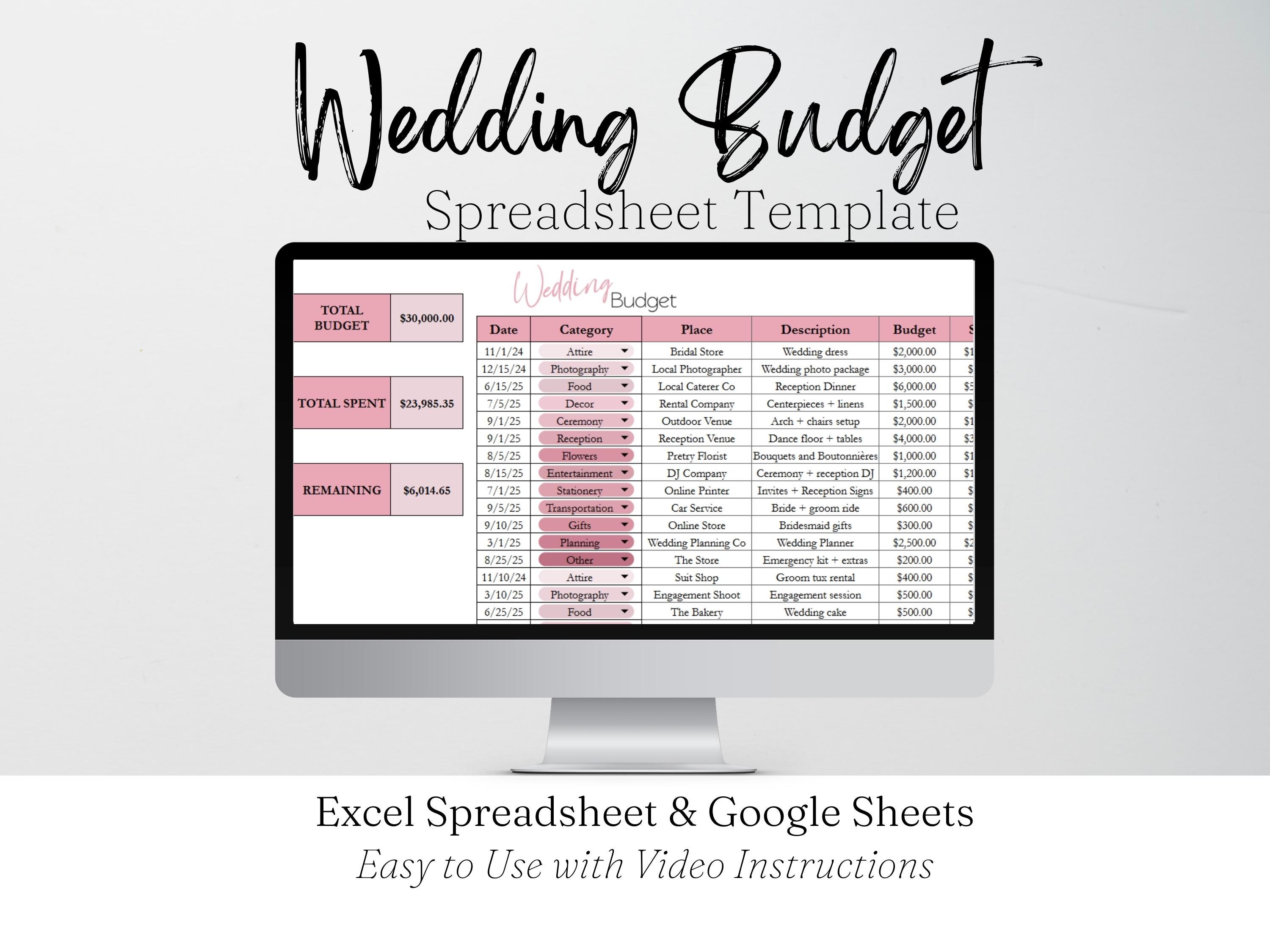
Budget Checklist
Use this framework to build your real total:
- Venue Model: Food and beverage minimum or per-person prix fixe. Minimums favor heavy drinkers; prix fixe makes tracking easier.
- The Bar: Fully hosted, limited, or cash. If you go cash bar, mention it on the invite so no one is caught off guard at the counter.
- The Hidden Costs: Tax, gratuity (20% to 25%), and administrative fees. Budget for the “plus-plus.”
- Add-ons: AV rentals for slideshows, cake-cutting fees, valet parking.
The +10 Rule
Before you finalize anything, run this quick check: if adding 10 guests would send your finances into a tailspin, your plan isn’t flexible enough. You likely need a different catering model. Also worth double-checking: regional costs have shifted significantly in recent years, so verify current pricing in your area before signing anything.
5. Master Your Venue Logistics and Timing
Sitting through a three-hour rehearsal only to realize the restaurant is 40 minutes away in Friday night traffic is one of the most effective ways to turn your bridal party into a pack of disgruntled toddlers. Getting everyone from ceremony site to dinner table without losing momentum requires actual planning, not just a Google Maps link dropped in a group chat.
Host the dinner immediately after the rehearsal, or two to three nights before the wedding. Going more than a week out tends to kill the pre-wedding energy. Aim for a 6 or 7 PM start so everyone can eat, toast, and get home at a reasonable hour.
Venue Filters Worth Using
- The 15-Minute Rule: Keep the venue within a tight radius of the rehearsal site and guest hotels.
- Accessibility: Ample parking and easy entry for older relatives.
- Privacy: Guests should be able to hear speeches without competing with a loud bar crowd.
- The Fine Print: Ask about decor rules, dessert fees, and AV policies for slideshows before you fall in love with the space.
Before signing, confirm the minimum spend, deposit schedule, and cancellation terms. Get a direct phone number for a named day-of contact who will actually be on-site. You don’t want to be hunting down a phantom manager while the salad is wilting.
Some formats worth considering: restaurant private dining rooms, a chic Airbnb or backyard, local wineries or breweries, hotel event spaces, and interactive cooking studios.
/

6. Send the Invites Without the Follow-Up Chaos
The couples who get RSVPs within 48 hours aren’t luckier. They’re just more strategic about how they ask. Here’s how to keep the invite process clean.
Choose Your Method
- Tuck a small card into your formal wedding suite.
- Send standalone paper invites for a high-end feel.
- Go digital with something like Paperless Post or a carefully crafted group text.
Match the medium to the vibe. Paper suits a four-course dinner. A text works perfectly for pizza and beer.
Timing
Send invites four to six weeks before the event, which gives guests enough time to arrange travel before the info gets buried under a pile of mail. Set your RSVP deadline at least two weeks out so you can give the venue a final count without a last-minute scramble.
What the Invite Must Include
- Times: Start time and a firm end time.
- Dress Code: Be specific. “Garden Party Chic” or “Tacos and Tees” is more useful than “semi-formal.”
- Logistics: Exact address plus parking instructions.
- Kids: State clearly whether children are included or if it’s adults-only.
One more thing: don’t list rehearsal dinner details on your public wedding website unless every single guest is invited. A password-protected page or private digital link keeps feelings intact.
7. Design a Menu That Actually Works
Couples spend months agonizing over the wedding cake and about 30 seconds on the rehearsal dinner menu. Then they accidentally serve shellfish to the maid of honor with a shellfish allergy. Timing your menu decisions correctly isn’t complicated, but it does require more than a casual text to your caterer.
The Planning Timeline
- Two months out: Start discussing seasonal options to lock in ingredients.
- One month out: Finalize specific dishes and collect all dietary restrictions.
- One week out: Reconfirm your headcount so you’re not paying for guests who aren’t coming.
Service Style
The format shapes the energy of the whole evening.
- Prix Fixe: Best for formal settings and long seated toasts.
- Family Style: Great for a big happy family feel, though it can crowd smaller tables.
- Buffet or Heavy Apps: The best choice if you want guests circulating and mingling rather than stuck in one spot all night.
Dietary Needs
Collect allergies and preferences directly in your RSVP form and transfer them into a spreadsheet immediately. Instead of sending your caterer a scattered string of emails, provide one consolidated note 48 hours before the dinner. Your caterer will love you for it.
The Bar
A limited bar (beer, wine, and a signature cocktail) is a classy way to manage costs without making guests feel like they’re at a dry event. And don’t skip high-quality non-alcoholic options. Sparkling water and a solid mocktail selection keep everyone happy and make for a much smoother wedding morning.
8. Run a Tight Rehearsal So No One Arrives Hangry
Drop thousands on artisan tacos and then make your wedding party wait two hours through an overly detailed rehearsal, and nobody is going to enjoy a single bite. The goal is a snappy run-through that gets everyone to the table while they’re still in a good mood.
Who Actually Needs to Be There
Keep the guest list at the ceremony site small and focused. Ask plus-ones and extended family to head straight to the restaurant to cut down on chatter and distractions. The essential crew:
- The couple
- The full wedding party
- Parents and grandparents who are walking
- The officiant
- Readers or live musicians
What to Actually Practice
Skip rehearsing the full script and focus on the mechanics of moving bodies through space. Run the processional twice to nail the spacing. Then confirm these specific moments:
- The Handoff: Practice passing the bouquet and retrieving the rings. This prevents the awkward “what do I do with my hands” moment during vows.
- Audio Check: Test every microphone and check battery life. Guests who can’t hear the “I do’s” are not a good look.
- Music Cues: Identify precise start and stop points for each entrance and make sure the volume works for the actual space.
- The Exit: Walk through the recessional and pick a meeting spot away from the aisle to prevent a bottleneck at the door.
Wrap within 30 to 45 minutes. If you hit the hour mark, you’ve lost the room. Keep a copy of your notes for the coordinator or a trusted bridesmaid so nobody is guessing when the nerves kick in tomorrow.
9. Get Everyone from Rehearsal to Dinner Without Losing Anyone
The rehearsal ends and suddenly 40 people are standing in a parking lot looking at you for directions. This is where timelines quietly fall apart. You need a movement plan in place before anyone asks “so, where are we going?”
Choose Your Movement Method
- Walkable: Send a digital pin ahead of time and name a specific landmark so people aren’t wandering.
- Drive or Carpool: Designate a meeting spot and clarify parking. Mention whether there’s valet or if the lot is three blocks away.
- Shuttle: List the exact pickup time and who’s riding. If the bus leaves at 6:15, it leaves at 6:15.
The Communication Plan
Send one master text with the address, parking notes, and start time before the rehearsal even begins. Include a point of contact who isn’t you, so you’re not fielding “where do I go?” messages while trying to be present. For older relatives, a few printed mini-cards at the rehearsal site are worth five minutes of your time.
Designate a Wrangler
Assign one loud, organized friend whose only job is directing people toward cars or shuttles the moment the rehearsal wraps. Make sure at least three people have the venue’s phone number saved. If a door is locked or a table isn’t ready, someone else handles it while you stay in the moment.
10. Keep Toasts and Gift-Giving From Stalling the Night
We’ve all survived a rehearsal dinner where the “quick toast” turned into a 20-minute trip down memory lane full of inside jokes for three people. It’s a vibe-killer, and it’s completely avoidable with a little structure set up in advance.
Your Speaking Strategy
Decide early whether you want a full roster of speeches or just a collective thank-you from the couple. If public speaking gives you hives, skipping individual toasts is a perfectly valid choice. It’s your night. Set expectations now to avoid unplanned mic-grabbing later.
If you go with toasts, a proven order that keeps energy high:
- Host welcome (the person covering the bill usually speaks first)
- Family toasts (limit to parents or siblings to prevent a marathon)
- The couple’s thank-you (you get the last word)
Start toasts during dessert. Guests are significantly more patient with a sugar high and a coffee in hand. Set a friendly goal of three minutes per person, which is enough time to be sentimental without losing the room.
The Gift Hand-Off
The rehearsal dinner is the natural moment to hand out wedding party gifts. Assign a “gift captain” to bring everything to the venue and keep it under a designated table. Present the gifts during the meal so you can show appreciation before the wedding day chaos takes over.
11. Bulletproof Your Tech Before the Slideshow Fails
Every couple thinks they’ve handled the tech. Then they spend ten minutes hunting for an HDMI cable while 40 people sit in silence. If you’re planning a slideshow, it needs more than good intentions.
Questions to Ask the Venue
Don’t assume “tech-friendly” means plug-and-play. Ask the manager for a gear rundown before you show up.
- Display: Is it a TV or a projector? Projectors struggle in rooms with a lot of natural light.
- Audio: Is there a built-in sound system or do you need portable speakers?
- Microphone: Confirm whether one is available or prep your speakers to project.
What to Pack
Treat the tech like your wedding attire and pack it the night before. Bring the laptop, the power brick, and an optional remote clicker. Even if you think you have the right adapter, pack a backup bag with HDMI, USB-C, and Lightning converters.
Golden rule: download your files. Never rely on venue Wi-Fi to stream a tribute video. An offline copy prevents the dreaded buffering circle during your most emotional montage.
The Sound Check
Run a test in the actual room before guests arrive. Check volume levels and create a clear handoff plan for the microphone to avoid feedback. If something isn’t working after three minutes of troubleshooting, abandon the slideshow and move to toasts. Twenty minutes of technical difficulties in a silent room is more painful than skipping the video entirely.
12. Keep the Decor and Seating Simple
The couples who arrive at their rehearsal dinner looking refreshed made one smart decision: they didn’t try to make this night compete with the wedding. Tonight is the appetizer. Keep the setup light enough to fit in a single car trunk.
Decor Essentials
Focus on high-impact items that don’t require a crew. And always verify fire codes before buying candles. Many venues ban open flames, and you don’t want to discover that after unboxing 50 votives.
- A chic welcome sign to greet arriving guests
- Simple table styling like greenery runners or bud vases
- Place cards if you’re serving a plated meal
Seating Strategy
If your families already know each other and get along, open seating works perfectly. If there’s any history or complex dynamics to navigate, a chart prevents the awkward cafeteria shuffle. Use the seating arrangement to encourage new connections. Seat a cousin next to a future in-law and let the conversation do its thing before the wedding day.
Attire
You should look polished but never more formal than you will on your wedding day. Giving guests a specific dress code like “Smart Casual” or “Garden Party” makes the photos look cohesive and saves everyone from guessing.
Finally, delegate the setup. Assign two reliable friends for decor drop-off and arrangement. Your job is to be the guest of honor, not haul boxes across a parking lot.
13. The 14-Day Countdown
Two weeks out, it’s time to stop planning and start executing. Here’s what needs to happen before the party starts.
Two Weeks Out
- Confirm RSVPs: Lock in the headcount. Call anyone who ghosted the invite.
- Reconfirm Times: Double-check the rehearsal slot with your officiant and venue.
- Menu Audit: Re-verify dietary notes. No one wants an allergy surprise during the first course.
- Settle Up: Pay outstanding balances now. Doing math at dessert is a total mood killer.
- The Master Document: Share one timeline with all addresses and contact numbers with everyone who has a role that evening.
Day-Of
- Pack Essentials: Box up decor, gifts, and notes the night before.
- Setup: Arrive early or send your designated setup person ahead.
- Host Mode: Greet guests and keep the energy moving. That’s your only job.
- Exit Strategy: Assign someone to take home leftovers and cards at the end of the night.
The Contingency Plan
If you’re hosting outdoors, set a firm weather backup decision time so nobody is guessing at 4 PM. Designate one person to text the group if the ceremony rehearsal runs long. Expect the unexpected and assign the handling of it to someone who isn’t you.
14. How to Actually Use These Checklists
Having a checklist is only helpful if you’re using it as a working document, not a PDF you download and forget about. Here’s how to turn the pieces of your rehearsal dinner planning into a system that actually runs itself.
Match the Tools to Your Situation
Every rehearsal dinner is different. A restaurant private dining room requires different prep than a backyard Airbnb.
- Restaurant or Private Dining: Focus your energy on headcount and menu management. The venue handles most logistics.
- Backyard or Airbnb: Prioritize transition logistics and tech setup. You’re effectively the venue manager. That means parking, lighting, and where the trash goes at the end of the night.
- Destination Wedding: Lean heavily on the transition plan. Most guests are coming from out of town and need clear instructions on shuttles and local landmarks.
If you’re incorporating cultural traditions like a Sangeet, a Tea Ceremony, or a Sofreh Aghd, build in buffers. These events involve more moving parts than a standard dinner. Add a 30-minute sound check for traditional music and make sure your invite language helps guests who may be unfamiliar with the customs feel welcome and prepared.
Assign Four Roles and Let Go
The fastest way to ruin your wedding week is trying to manage everything yourself. Assign these roles and then trust the people you gave them to.
- The Host: Owns the budget and the venue contract. Point of contact for final payments and headcount.
- The Couple: Owns the guest list rules and the must-approve moments. You set the vibe. You don’t manage the physical logistics.
- The Wrangler: A loud, organized wedding party member who moves people from the ceremony site to the dinner without losing anyone in a parking lot.
- The Tech Lead: Your most tech-savvy friend. Give them the AV questions and the bag of adapters. They own the slideshow and the microphone.
Build One Master Run of Show
Take the information from your individual checklists and consolidate it into one document that everyone works from. Include rehearsal start and end times, travel window, timing for cocktails, dinner, and toasts. List physical addresses, parking instructions, the name of the on-site venue contact, and the weather backup plan. Share it with everyone who has a role. One document. One source of truth.
A 20-Minute Check-In Starting Four Weeks Out
Hold a standing 20-minute meeting with your key people each week leading up to the dinner. Keep it to three questions: What’s done? What’s stuck? What needs a final decision? By the time the rehearsal night arrives, you won’t be checking your phone or hunting for a missing cable. You’ll have a plan that runs itself and a glass of champagne to actually enjoy.
Rehearsal Dinner Questions We Hear All the Time
Who pays for the rehearsal dinner?
Traditionally, the groom’s parents cover this one. Modern weddings more often see the couple or both sets of parents splitting the tab, and hosting it yourselves is absolutely a valid (and liberating) option if you want full creative control. Whoever signs the check usually expects the final say on the guest list and venue, so get clarity on the budget before anyone starts making suggestions. See section two above for more on managing these dynamics.
Who should be invited?
Your core list: immediate family, the wedding party and their partners, and the officiant. If out-of-towners are pushing your numbers up, a private VIP dinner followed by a casual welcome party for everyone else is a smart way to acknowledge their travel without feeding 80 people a three-course meal. Apply your plus-one rules consistently. A firm six-month guideline for newer relationships keeps things fair and gives you something to point to when someone pushes back.
When should you start planning?
Start your venue search four to six months out, especially if you need a private room with specific minimums or AV capabilities. Smaller non-private bookings can often happen two months out, but don’t wait during peak wedding season. Popular spots fill fast, and you want the venue locked in as soon as your ceremony rehearsal time is on the calendar.
Can the rehearsal dinner be more than one night before the wedding?
Yes, and it’s sometimes the smarter move. Hosting two or even three nights before the wedding can open up better venue availability and gives your wedding party a night to actually rest. Just try not to push it past a week out, or the pre-wedding excitement tends to fizzle. If you go earlier, keep the vibe a bit lower-key and make sure the invite communicates the date change clearly so guests can plan travel.
Do you need speeches or a slideshow?
Neither is required. If you include them, keep toasts short and follow a set order to maintain energy. Three minutes per speaker is a good target. For slideshows, always have an offline backup file and the right adapters for the venue’s setup. And if the tech fails? Skip it, move to toasts, and keep the night moving. Nobody remembers the slideshow. They remember how the night felt.