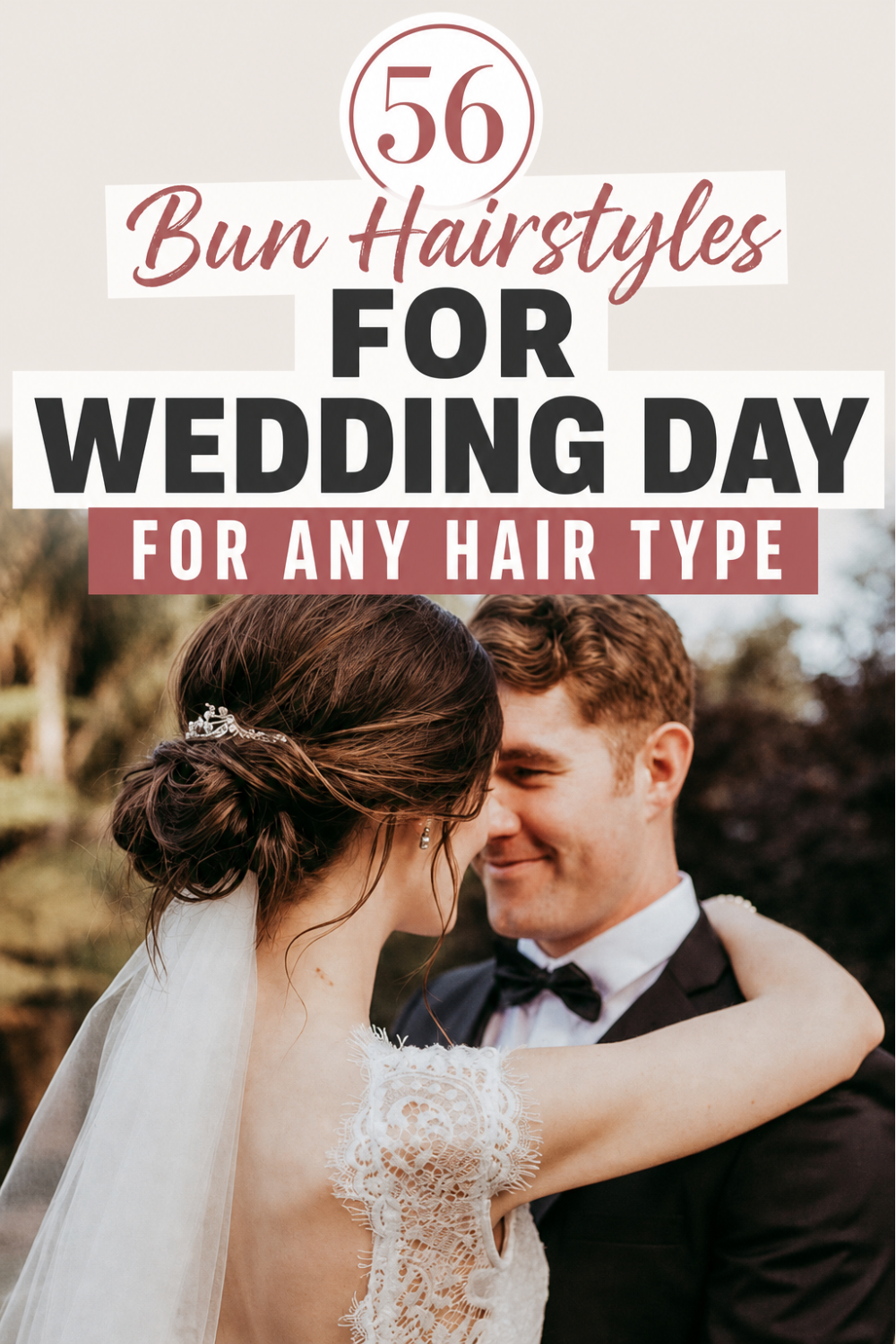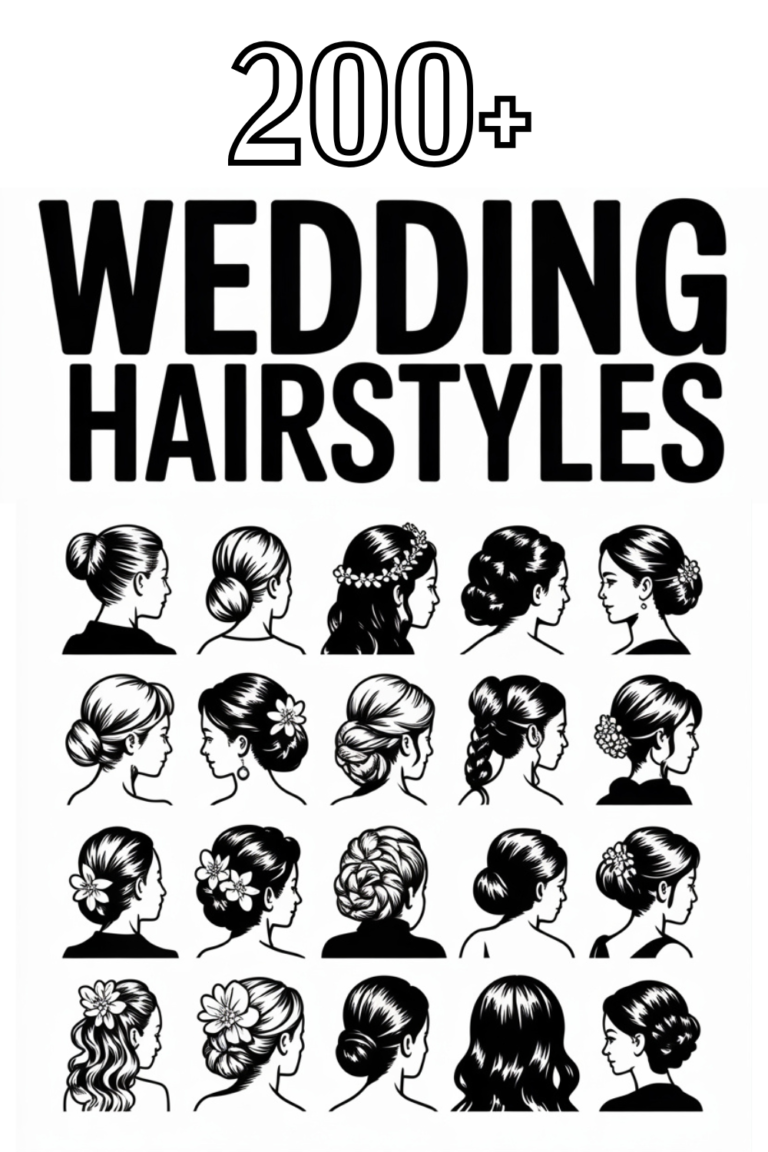
Where it sits and how you finish it are what change the look, and they pull in opposite directions depending on your day. Low and soft at the nape reads romantic. High and slicked back reads black-tie. Pile it loose and piecey or smooth it glassy, leave it bare or tuck in fresh flowers; same knot, completely different bride. That’s why your stylist needs more than one word, and why this page exists.
Whether you’re after a sleek low chignon, a dramatic high knot, a soft messy updo, or a glossy slick bun, we’ve gathered our favorite versions from real Love & Lavender weddings to help you find yours. Each one links to a full guide, so you can see the look on real brides instead of a mannequin. For even more inspiration, browse our Real Weddings directory.
How to Choose Your Wedding Bun?
Every wedding bun comes down to two questions, and neither one is complicated. Answer both and you’ve basically picked your hairstyle.
High or Low? Placement sets the whole tone. A high bun clears your neck, shoulders, and back completely, then hands the frame to your face, your earrings, and the back of your dress. It reads dramatic, and it handles heat and humidity better than almost anything, which is why destination and summer brides reach for it. A low bun sits soft at the nape, flatters nearly every neckline, and has the rare gift of never looking dated. If you can’t decide, low is the more forgiving starting point. High is the bigger swing.
Sleek or Messy? Finish is the other half. Slicked smooth and knotted tight reads formal, modern, and black-tie, and it photographs the same at 4pm and at midnight: no humidity sabotage, no half-collapsed updo by the last song. Textured and piecey reads soft and romantic, the look made for boho, garden, and rustic days. Most brides land somewhere in the middle. When in doubt, ask your stylist for “polished but not severe” and you’ll be in good company.
Best Wedding Buns from Real Weddings
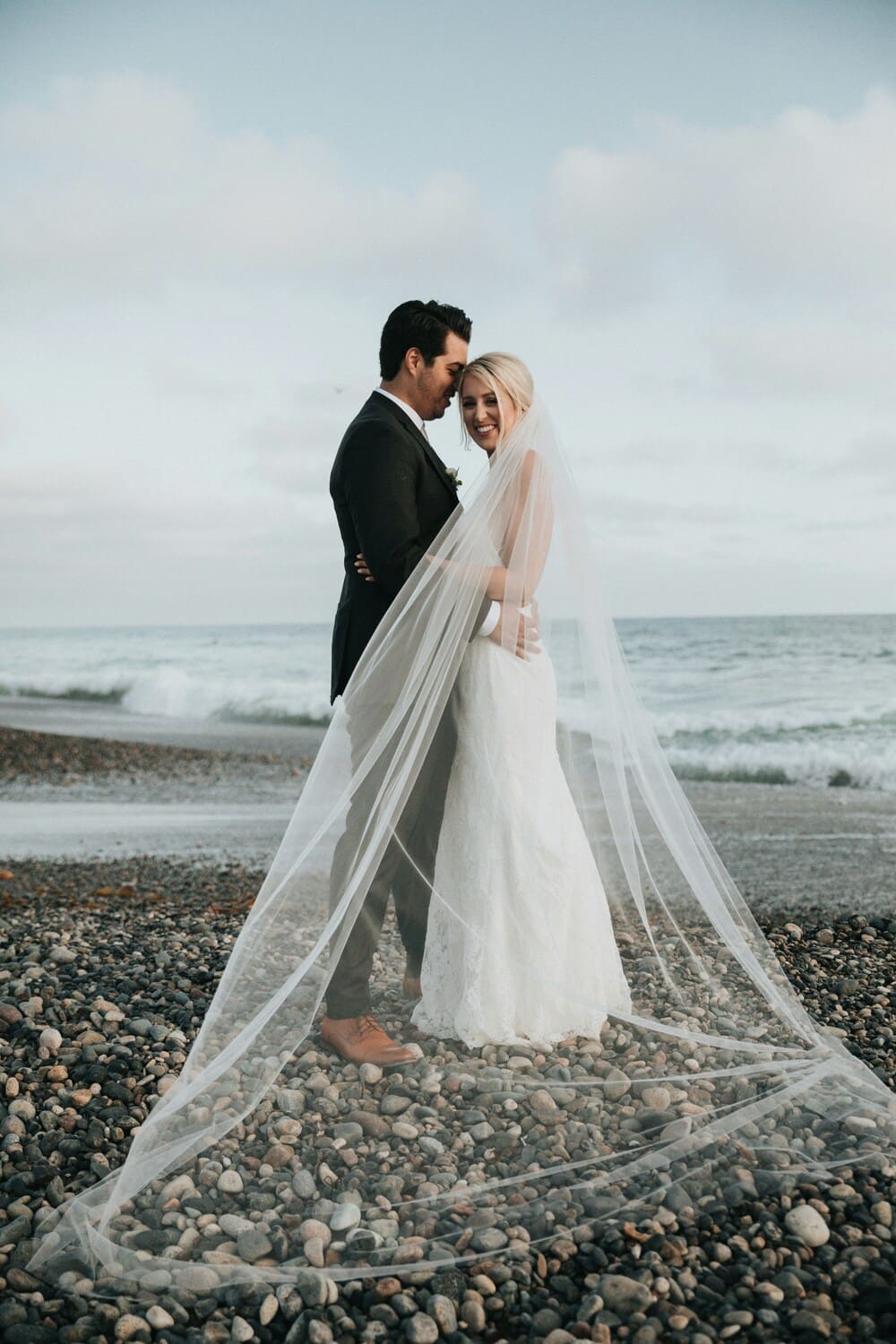
Whatever version you choose, a bun earns its keep in ways a half-up style can’t. It gives a veil a secure anchor, so the comb sits flush and the tulle hangs straight instead of sliding around all night. It holds a comb of fresh flowers or a scatter of pearl pins without a fight. And built right, over a secured base rather than a pile of pins on top, it survives a tearful first look, a long reception, and roughly four hundred hugs. Do a trial run, with your veil, before the day. Every bun looks better once it’s been rehearsed.
The Low Bun
The low bun is the little black dress of wedding hair. It works on nearly everyone, it photographs from every angle, and it has somehow never once looked dated.
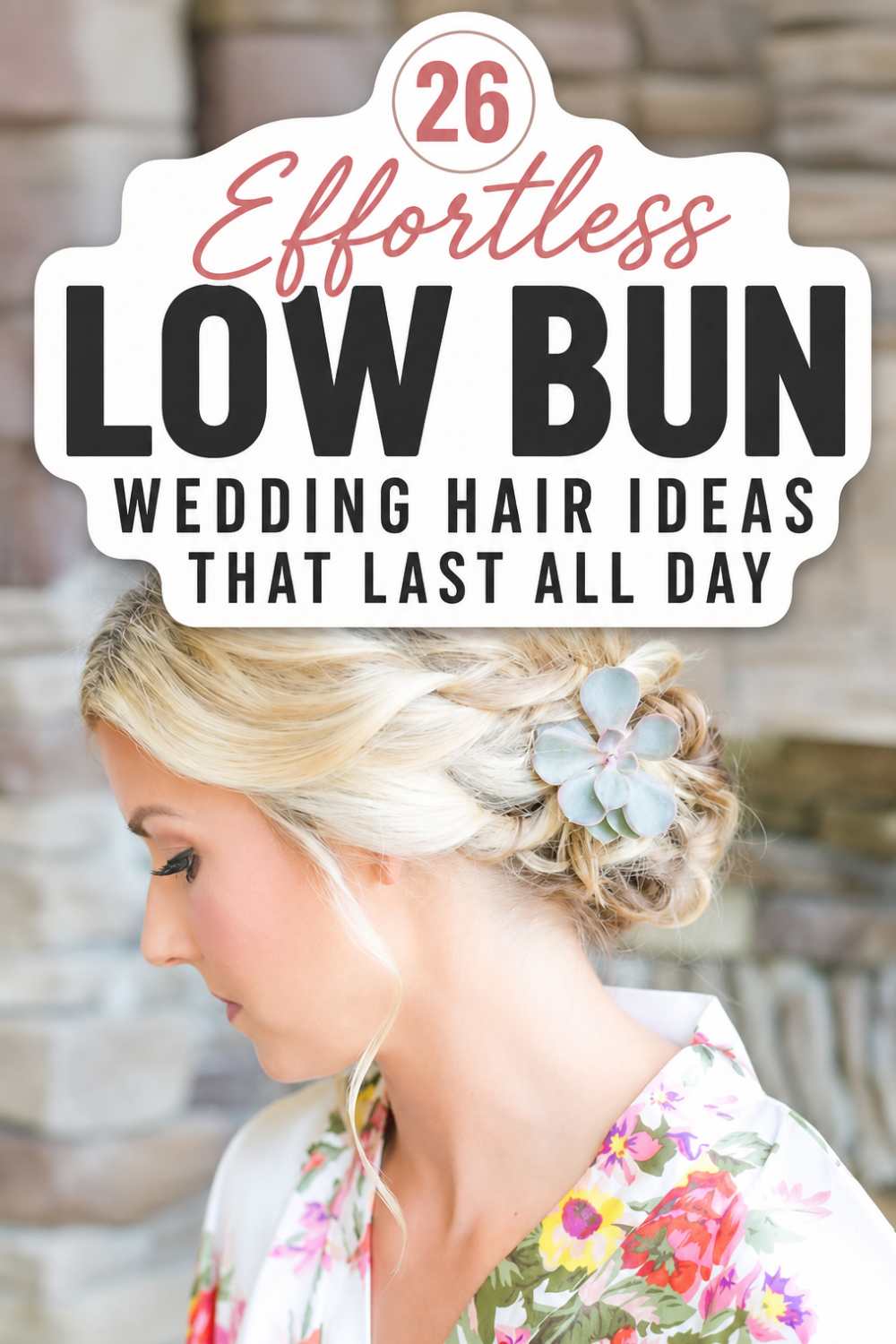
See our low bun wedding hair guide →
The High Bun
A high bun is the bigger statement. It clears your neck, shoulders, and back completely, then turns the whole frame over to your face and your dress. Equal parts practical and dramatic, which is a rare pairing in wedding hair.
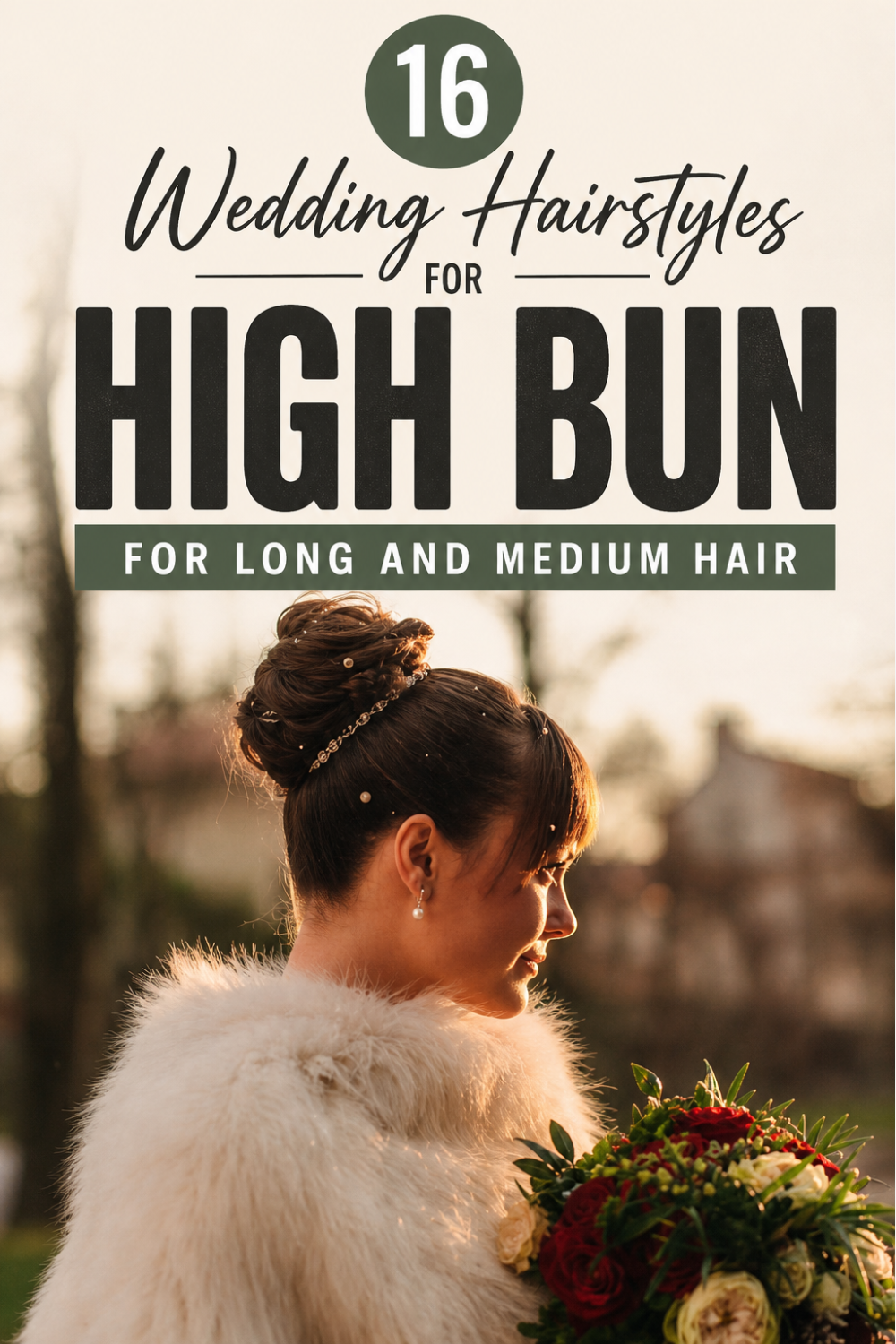
See our high bun wedding hairstyles guide →
The Messy Bun
The messy bun gets a bad rap, mostly from people picturing the thing you twist up in thirty seconds to answer the door. The wedding version is a different animal: loose enough to look effortless, structured enough to survive the day.
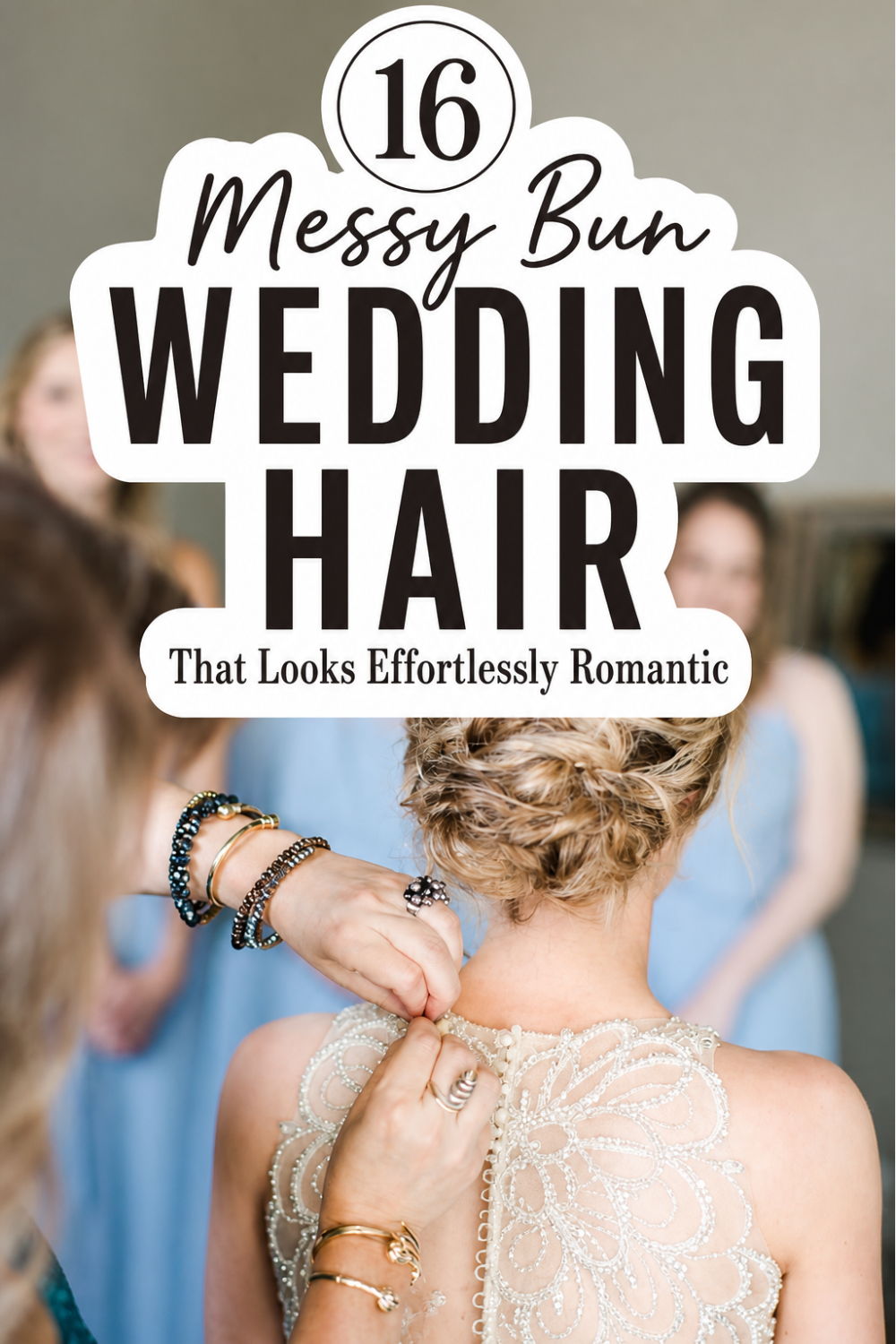
See our messy bun wedding hair guide →
The Slick Bun
Some brides agonize over their hair for months. Others knew at the engagement party: it’s going up, it’s going smooth, and it is not moving. If you’re the second kind, the slick bun is already yours.
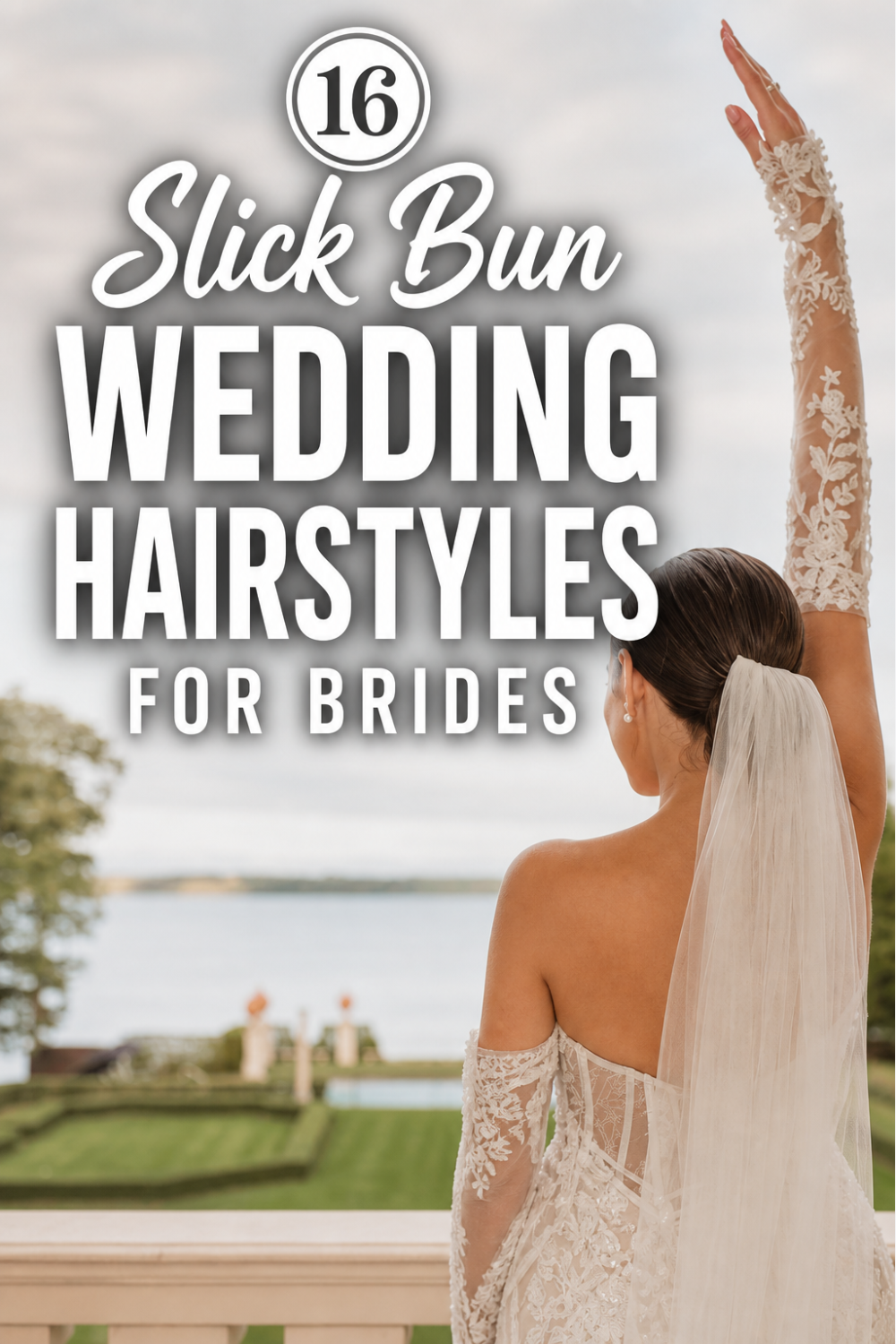
See our slick bun wedding hairstyles guide →
There’s no wrong bun, only the one that fits your dress, your venue, and how much you plan to dance. Pick the version that sounds like you, click through to see it on real brides, and bring your favorite photo to your hair trial. Your stylist will take it from there.
Frequently Asked Questions
Which wedding bun lasts the longest?
Any of them, when it’s built over a secured base instead of a pile of pins on top. Braided foundations hold especially well, which is why so many all-day looks start with a braid. Skip the morning-of shampoo, since day-old hair grips better, finish with a flexible-hold spray, and do a trial run first.
High bun or low bun?
Low is the safer, more forgiving choice: it flatters nearly every neckline and never looks dated. High is the statement, the move if you want your earrings, your neckline, and the back of your dress fully on display, and it handles heat and humidity better. If you’re torn, match the placement to your dress’s best feature.
Do buns work with veils?
Better than almost any other style. The knot gives the veil comb a secure anchor, so it sits flush and the tulle hangs straight instead of sliding around. Pin it just above the bun for a longer drape, or just below if you want to remove the veil at the reception without disturbing your hair.
Can I wear fresh flowers in a bun?
Yes, with one caveat: real blooms wilt. Tuck them in day-of, photograph them early, and ask your florist for sturdy varieties like ranunculus or small roses rather than anything delicate. Silk flowers or a jeweled hairpiece give the same effect without the droop if you want the look to last all night.
Don’t forget to pin this to your Wedding Hair Board for later!