
The Micro Wedding Checklist for Couples Who Hate Fluff (12 Steps That Actually Cover Everything)
Thinking a micro wedding is just a regular wedding that shrank in the wash? Think again.
Fewer guests mean more feelings per square foot and zero margin for error. Every missing fork is visible. Every awkward silence is audible. Every “I thought you handled that” moment lands with the force of a dropped wedding cake.
This 12-step micro wedding checklist covers the high-stakes logistics that generic guides skip right over: guest list scripts that won’t destroy friendships, permit realities for “wild” venues, and restaurant buyout traps that will cost you if you’re not paying attention. We’ve also included a 90-day execution calendar at the end so you can take the whole thing from “we’re doing this” to “we did it.”
Start where it matters most: your guest list rules.
That single decision controls everything else.
1. Set Your Guest List Rules Before You Book a Single Thing
Ever tried to cram a size 12 foot into a size 6 shoe? That’s exactly what happens when you book a 20-person loft before checking your actual invite list. Your guest count is the master switch for every other micro wedding decision. It unlocks your venue shortlist, defines your catering style, and keeps your budget math from spiraling into something deeply unpleasant.
Small groups also magnify every addition. Adding one guest to a massive wedding is a rounding error. Adding one person to a 15-person dinner is a 7% budget spike. Establish your hard ceiling before you start touring venues.
- Define your hard ceiling: Pick a specific range like 18 to 25 and stick to it like it’s a legally binding contract.
- Set a plus-one policy: Decide up front if you allow long-term partners or have a firm no-plus-ones rule.
- The tiny human question: All kids, no kids, or immediate family only? Decide now, not when someone shows up with a toddler.
- Pick a real RSVP system: A group text is a recipe for chaos. Use a website form or dedicated email so responses live in one place.
Avoid “maybe” invites at all costs. They explode your seating plan and your stress levels. Stick to your yes list.
The Tiny Pro Tip: Write a one-sentence rule you can repeat under pressure: “We’re keeping our guest list to our absolute inner circle.” Your future self will thank you for the backbone.
ADHD Friendly Micro Wedding Budget Tracker

2. How to Say No Without Losing Friends
Telling a close friend they didn’t make the cut is the hardest part of planning a micro wedding. Full stop. Managing the emotional labor of a tiny guest list takes more finesse than negotiating with a caterer. Here’s the order of operations that keeps things drama-free.
- Alert your VIPs first: Tell parents and key family members before they accidentally brag to someone who isn’t invited.
- Pick one reason and stick to it: Venue capacity or a desire for intimacy, choose your story and don’t deviate.
- Offer an alternative: A livestream link or a post-wedding dinner gives people something to look forward to instead of something to feel stung by.
Use these scripts when the conversation gets awkward:
- For family (in person): “We decided on a tiny, family-only ceremony. We’d love to grab a private dinner with you afterward to celebrate properly!”
- For friends (text): “We’re keeping our wedding very small due to venue limits, so we can’t invite everyone we love. We’ll definitely be thinking of you on the day!”
- For social media: “We’re tying the knot in a private micro-ceremony! We can’t wait to share photos with all of you soon.”
Stop over-explaining. Extra details invite people to negotiate for a seat. Never promise “maybe” seats to fill cancellations. Keep it simple and keep moving.
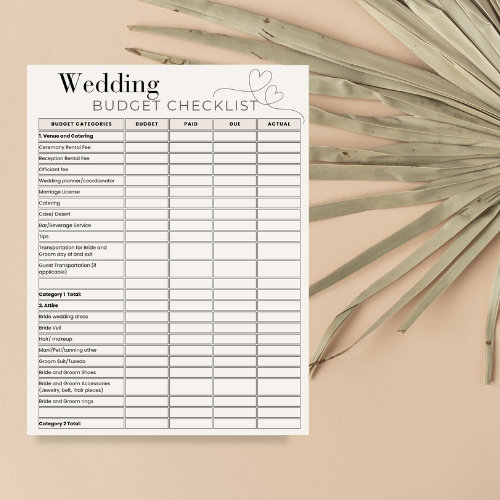
Printable Wedding Budget Checklist
3. The Micro Wedding Budget Reality Check
If you cut 80% of the guest list, the bill drops by 80%, right? Unfortunately, the math is more stubborn than that. Fixed costs don’t care how many chairs are filled.
The Fixed Cost Wall
Your photographer won’t charge less because fewer people are watching them work. Attire, hair and makeup, and venue permits cost the same whether you have five guests or fifty. These fixed costs form your budget floor and stay constant regardless of headcount. Understanding that early saves a lot of heartbreak later.
Your Micro-Budget Strategy
Most couples land between $10,000 and $15,000 for a micro wedding. Use that as a planning reference, not a rigid rule. To keep things in check:
- Set a top-line number and include a 10% to 15% buffer for unexpected moments.
- Categorize your costs: Fixed items versus per-guest items like catering and rentals behave very differently.
- Choose your upgrade zone: Decide where you want to splurge, like a five-course tasting menu or luxury welcome gifts, so the rest of your spending stays disciplined.
The Sneaky Extras
Delivery fees, setup charges, and service gratuities add up fast. A $10,000 budget for 20 guests works best when you prioritize quality over quantity. Elite photography and a genuinely great meal will outlast any floral installation in your memory.
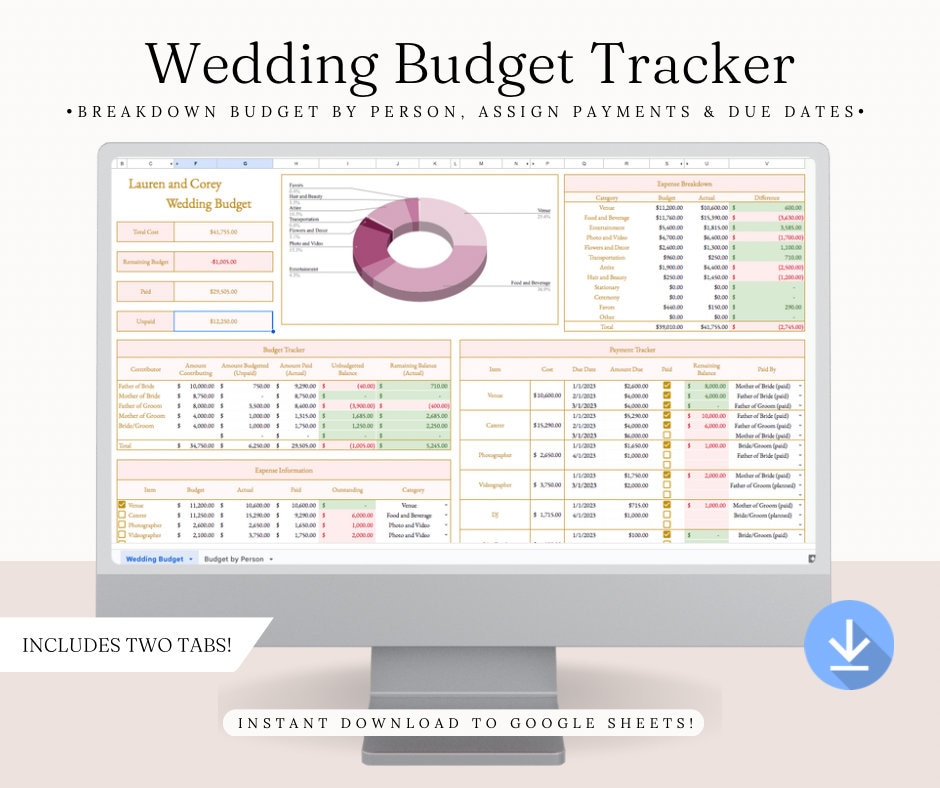
Customizable Per Person Budget Tracker
4. Decide on Your Venue Format Before You Fall in Love
Here’s a thing nobody tells you: picking a venue for 20 guests is actually harder than for 200. Large weddings end up in a beige hotel ballroom by default. With a micro wedding, you have total freedom, which is both a gift and a logistical trap.
Your format dictates permit needs, noise rules, and whether you’ll be renting a luxury portable restroom. Run through this list before you start touring:
- Pick your vibe word: Intimate dinner party, rugged adventure, or city-chic? One word helps you filter fast.
- One spot or two? Ceremony and reception in the same place keeps logistics clean. Two locations doubles your coordination risk.
- Shortlist three formats only: Restaurant buyout, private estate, or backyard garden. Limit yourself before search fatigue sets in.
Watch out for the “easy” options. Restaurants are fantastic for food, but contracts often include steep minimum spends that ignore your small headcount. Public parks feel romantic until you realize there’s no power for music and the nearest bathroom requires a GPS and a prayer.
Ask yourself: do we want guests to dance, or just eat and talk? Micro weddings often thrive on the eat-and-talk vibe. Big dance floors in small rooms are lonely.
5. The Wild Venue and Private Home Logistics Checklist
Planning a backyard wedding or an outdoor “wild” location isn’t just romantic prep work. It’s savvy risk management. Most municipalities treat ten guests the same as two hundred when it comes to local ordinances. Think you’re exempt because your group is small? Think again.
Use this checklist to vet your dream spot before you commit:
- Permits: Do you need one for a public park, beach, or historic property?
- Event insurance: Check the limits and who needs to be named as “additionally insured.”
- Power: Are outlets available, or are there restrictions on portable generators?
- Bathrooms: Is on-site capacity enough, or do you need a luxury portable restroom rental?
- Noise: What are the rules for amplified sound and local quiet hours?
- Access: Is there enough parking and ADA-compliant access for your guests?
- Weather plan: What’s your Plan B and when’s the final go/no-go decision deadline?
Pro tip: Do your site visit at the exact same time of day as your ceremony. This reveals the real light situation and noise reality before you sign anything. Does that nearby highway get rowdy at 5pm? You need to know now, not on your wedding day.
Editable Wedding Venue Spreadsheet

6. Build Your Core Vendor List (Without the Fluff)
Does it ever feel like vendors treat your 15-person wedding as a “lite” version of a real event? It’s frustrating, and you deserve the same quality of service regardless of headcount. Here’s the truth: you can skip the 10-piece brass band. You cannot skip high-quality coverage.
Your core stack usually includes a venue, officiant, photographer, and top-tier food. Everything else is sprinkles.
Your micro vendor checklist:
- Identify your non-negotiables: Cinematic photos or elaborate florals? You probably can’t have both at this budget. Choose.
- Confirm logistics: Verify who provides rentals, tables, and barware. Assumptions cost money.
- Lock in the one-offs first: Your photographer and officiant can’t double-book their time. Secure them before anything else.
Micro Wedding Watch-Outs
Watch for minimum spends where a 10-person dinner costs the same as a 50-person party. If you’re skipping a planner, assign a day-of point person to handle vendor questions. You should not be answering delivery questions while someone is pinning your veil.
Optional Upgrades Worth Considering
- A private chef for a narrated tasting menu
- A live acoustic set for background ambiance
- A wedding content creator for same-day social clips
The Three-Question Vendor Email
Save yourself an email chain by asking these three things upfront: Do you offer specific packages for groups under 25? Is there a minimum spend requirement for our date? What staffing and rentals are included in the base quote?
7. The Restaurant Buyout Checklist: Avoiding the “Private Room” Trap
Nothing kills the vibe faster than realizing your “private” dinner is separated from a loud corporate happy hour by a velvet rope and wishful thinking. Restaurant buyouts are a brilliant micro wedding hack. Hidden fees are not.
Ask these questions before you sign anything:
- Buyout vs. minimum spend: Are you paying for the whole room or just promising to eat $5,000 worth of food?
- Inclusions: Does the price cover staffing, linens, glassware, and chairs?
- The extras: Are taxes and service charges included? These add about 30% to your bill instantly.
- The rules: Can you bring a cake, candles, a DJ, or professional lighting?
- Liquid assets: What’s the corkage fee? Is outside alcohol allowed?
- Timeline: When can vendors set up, and when does the music have to stop?
- Logistics: Confirm ADA accessibility and parking for your guests.
The “Exclusive” Reality Check
In restaurant speak, “private room” often means a flimsy curtain. For zero strangers wandering through your ceremony, you must specify a full buyout in your contract. And never settle for verbal promises. Get a full event order in writing detailing hours, menu, beverage package, and staffing. It protects your vision and your budget.
8. Transportation and Lodging: The Most Overlooked Detail
Ever watched a 20-person wedding stall because one carload got stuck behind a tractor? It’s painful in a way that’s hard to describe. With a micro wedding, every guest is a VIP. If three people are missing, the room feels half empty.
Unlike big weddings where guests blend into a crowd, micro-wedding groups move as a single pack. One wrong turn from the lead car and your entire guest list is MIA.
- Transportation plan: Provide a parking map or a rideshare reality check. Uber does not exist everywhere.
- Lodging options: Offer two to four recommendations at different price points so no one feels left to figure it out alone.
- Accessibility check: Make sure older guests can get from the car to the ceremony without a hike.
- Clear arrival window: Give guests a firm time to be seated so nobody’s still on a dirt road when you’re walking down the aisle.
Planning two locations? Be careful. Moving a small group between a ceremony and a restaurant doubles your logistics risk. A welcome note with a mini itinerary and a “text this person if you’re lost” contact goes a long way.
9. The Hybrid Wedding Tech Checklist: Streaming Without the Stress
Want the intimacy of a 15-person dinner without the lifelong drama of “forgetting” Grandma? A hybrid setup is your bridge. You keep the physical guest list tiny while the extended circle stays included. The key is not winging the tech.
The Setup
- Choose your platform: Zoom for interaction, YouTube for high-quality viewing, or Facebook Live for easy social sharing.
- Assign roles: One tech operator to manage the camera, one moderator to welcome virtual guests in the chat.
- Audio plan: Rent a wireless lavalier mic. Your phone’s built-in microphone picks up every gust of wind and zero percent of your vows.
- Camera stability: Use a sturdy tripod with a fixed frame and record a local backup on a second device.
The Connection Reality Check
Run a private upload speed test at your ceremony spot 48 to 72 hours before the big day. Aim for 10 to 15 Mbps for reliable HD. Five Mbps is the absolute minimum for a functional stream.
Watch out for copyright bots. Many platforms instantly mute or kill streams that detect licensed music. Keep your ceremony audio clean and save the playlist for the unplugged reception.
Make virtual guests feel seen: Host a five-minute virtual toast or Q&A right after the ceremony. It turns a passive viewing experience into a shared memory.
10. The Micro Timeline: How to Keep the Flow Moving
Have you ever stood in a room of 15 people while a DJ desperately tries to manifest a mosh pit? It’s a special kind of wedding awkwardness. Small weddings need a different heartbeat because silence feels much louder when there are only a dozen guests in the room.
Transitions are everything at a tiny event. If you don’t tell people where to go next, they’ll hover by the appetizers like lost tourists. Use this checklist to keep momentum going:
- Map the “next”: Plan exactly where people should be between the ceremony and dinner.
- Guard the photo window: Don’t disappear for two hours. Abandoning 12 guests for a marathon photoshoot makes them feel like props, not VIPs.
- Designate a caller: Decide who cues the music, the entrance, and the toasts. You need a trusted point person to keep things moving without a professional coordinator.
Skip the forced three-hour dance floor unless your crew is genuinely that group. Lean into high-end experiences instead: a long dinner with wine pairings, shared stories, fireside hangs, or lawn games. This makes the day feel like a curated party rather than an event that’s doing its best.
A timeline that works:
- 4:30pm: Intimate ceremony
- 5:00pm: Cocktails and grazing
- 6:15pm: Multi-course dinner and group toasts
- 8:00pm: Dessert and fireside hangs
11. Build a Digital Hub to Handle the Questions You Don’t Have Time For
Do you really want to spend your wedding morning explaining parking to Great Aunt Sally for the fourteenth time? Micro weddings trigger a text message tsunami. Guests assume a smaller guest count means a casual “just-ask-the-bride” situation. You need a digital gatekeeper to do the heavy lifting while you focus on the champagne.
A simple wedding website solves this. It also provides a soft landing for the extended circle who didn’t make the cut but are curious about the details.
- Password protect it: Lock your site so only the inner circle sees the granular details.
- Over-communicate the basics: Schedule, dress code, directions, and lodging. All of it, right there.
- Build the RSVP engine: Use a digital form to track responses. With a tiny list, every single response matters.
- Include the registry: Create one anyway. Long-distance well-wishers often still want to send something.
Be explicit about plus-ones and kids. “We have reserved 1 seat in your honor” is much clearer than a vague invitation that invites assumptions. For friends who didn’t make the cut, a polite line on your site does the work: “We’re celebrating privately, but we appreciate your love from afar.” Kind, firm, and inbox-saving.
12. The 14-Day Countdown and Your Micro Emergency Kit
The final two weeks require precision. Without a large planning team, most of this falls on your shoulders. Here’s what needs to happen:
Your Final Small Wedding Checklist
- Confirm logistics: Verify arrival times with every vendor and settle final payments.
- Sync the team: Send the schedule to vendors and your designated point person.
- Headcount lockdown: Give the venue final numbers. One missing plate is 5% of your guest list.
- The paper trail: Save offline copies of permits, insurance, vows, and contacts.
- The essentials: Pack the rings and marriage license today. Put them by the front door right now.
The Micro Emergency Kit
Pack a pouch with a mini sewing kit, stain remover, fashion tape, pain relievers, a charger, and mints. If you’re DIY streaming, test your connection again and bring a backup battery. Technology loves to fail the moment you say “I do.”
Stay Present
Your goal is to be present, not perfect. If a flower wilts or the music is five minutes late, let it go. You’re there to get married, not to win a logistics award. Focus on your partner and breathe.
Your 90-Day Micro Wedding Execution Calendar
Standard wedding timelines are built for the 200-guest marathon. For a micro wedding, you’re running a 90-day sprint. Your guest list is small, which means you can move faster. But your deadlines hit harder. Here’s how to break it down.
Phase 1: Three Months Out (The Strategic Foundation)
This is your most critical window. Decisions made here prevent the budget and guest list from quietly ballooning. Focus on the three big things: headcount, money, and location.
- Finalize the guest list: Apply your hard ceiling rule. Use your “not invited” script to set boundaries early.
- Establish the budget: Determine your splurge zone versus your fixed costs.
- Book the core team: Secure your venue, officiant, and photographer. These pros only have one of themselves to give. Lock them in.
- Decide on the format: Restaurant buyout or private estate? Confirm the food plan now, because it dictates your rentals.
Phase 2: Two Months Out (The Infrastructure Phase)
Foundation is set. Now build the pipes that make the day run. This phase is about information management and vendor coordination.
- Build your vendor stack: Finalize hair and makeup, florals, and music.
- Launch the digital hub: Set up your wedding website and RSVP system. Include clear lodging and transportation info.
- Handle attire: Order your outfits and schedule first alterations. In a micro wedding, fit matters. You’re under a microscope.
- Order rentals: If your venue is a blank canvas, book your tables, chairs, and linens now.
Phase 3: One Month Out (The Logistics Phase)
This is where theoretical plans meet physical reality. Time to troubleshoot the “what ifs.”
- Build the day-of timeline: Map every transition. Micro weddings move faster. Don’t leave guests hovering.
- Conduct the wild check: Confirm power, bathrooms, and noise permits for non-traditional venues.
- Test the tech: If you’re using a hybrid livestream, do a test run at the venue to check upload speeds.
- Finalize the menu: Micro weddings usually thrive on one long communal table rather than scattered rounds.
Phase 4: Two Weeks Out (The Final Polish)
Stop planning. Start confirming.
- Finalize headcount: Give the venue or caterer your final number. Every missing guest is a significant percentage of your budget.
- Send final payments: Get the money out of your hair. No checks on wedding morning.
- Print the essentials: Menus, place cards, and vows.
- Confirm all vendors: Send the final schedule and contact sheet to every pro on your list.
Phase 5: The Week Of and Day Before
The work is done. Get everything in the right place at the right time.
- Pack the kit: Rings, marriage license, and emergency kit. All together.
- Charge everything: If you’re DIY-ing audio or video, charge every battery and backup.
- Hand over the clipboard: Give the vendor contact sheet to your trusted point person. You’re officially off logistics duty.
Day-Of Execution
Keep your focus on the experience, not the clipboard.
- Hydrate and eat. You cannot host a party on an empty tank.
- Verify the stream. Start the tech test 30 minutes before the ceremony.
- Check the docs. Marriage license and rings with the officiant? Confirm it.
- Follow the cues. Let your point person handle the timeline. That’s what they’re there for.
Micro Wedding FAQ
What counts as a micro wedding vs. a small wedding?
A micro wedding typically caps the guest list at 50 people, though many couples aim for a genuinely intimate 20 or fewer. A small wedding is often just a scaled-down version of a traditional party. A micro wedding is focused on an elevated, intentional experience for a tiny inner circle. Venues and vendors often have their own definitions for these terms, so always plan based on your own hard guest limit rather than industry labels. If your guest list is under 50 but feels like a massive production, you’re probably just having a small wedding.
Is a micro wedding cheaper than a traditional wedding?
It can be, but it’s not a guarantee. Fixed costs like your photographer and wedding attire stay the same regardless of headcount. Many couples land between $10,000 and $15,000 while prioritizing high-end details like a private chef or top-shelf bar. To lower the bill, try booking on a weekday or choosing a restaurant with no venue fee. Focus on cost per person to see where your money is actually going.
How do we tell people they’re not invited without sounding rude?
Consistency and brevity. Tell your VIPs the plan first so they don’t accidentally spread rumors. When others ask, use a simple script emphasizing intimacy or venue capacity limits. Don’t offer long explanations or “maybe” seats. Extra details invite negotiation. See the scripts in Section 2 for exact phrasing. “No” is a complete sentence and you don’t owe anyone a seat at your table.
Do we need a planner for a micro wedding?
You can likely skip a professional if your wedding is at a single, full-service location like a restaurant that handles setup and food. Hire a coordinator if you’re using a nontraditional venue, managing multiple rentals, or coordinating a complex livestream. If you go it alone, assign a specific guest as your day-of point person for vendor questions. Even a tiny wedding has a lot of invisible moving parts.
What do we need to livestream a micro wedding without terrible audio?
An external microphone is your top priority. Your phone or laptop will catch the wind and the background noise and nothing else. Use a wireless lavalier mic for the officiant and couple to keep your digital guests from straining to hear. Run a test at the venue to confirm your upload speed is at least 10 Mbps and always have a backup device recording locally in case the internet cuts out mid-ceremony. See the full tech checklist in Section 9 for everything else.