
Wedding Photo Checklist: 36 Moments You’ll Regret Missing
Your wedding day is a beautiful, expensive blur.
One minute you’re adjusting your veil, and the next you’re on a plane for your honeymoon wondering if anyone actually got the shot of your grandmother crying happy tears.
This guide covers the wedding day photos must have list organized by the flow of your day.
We’ve kept it realistic to keep your photographer happy while covering modern essentials like pets, vertical-format shots, and inclusive rituals. Let’s start with the quiet details before the chaos kicks in.
1. The Details: Setting the Scene for Your Story
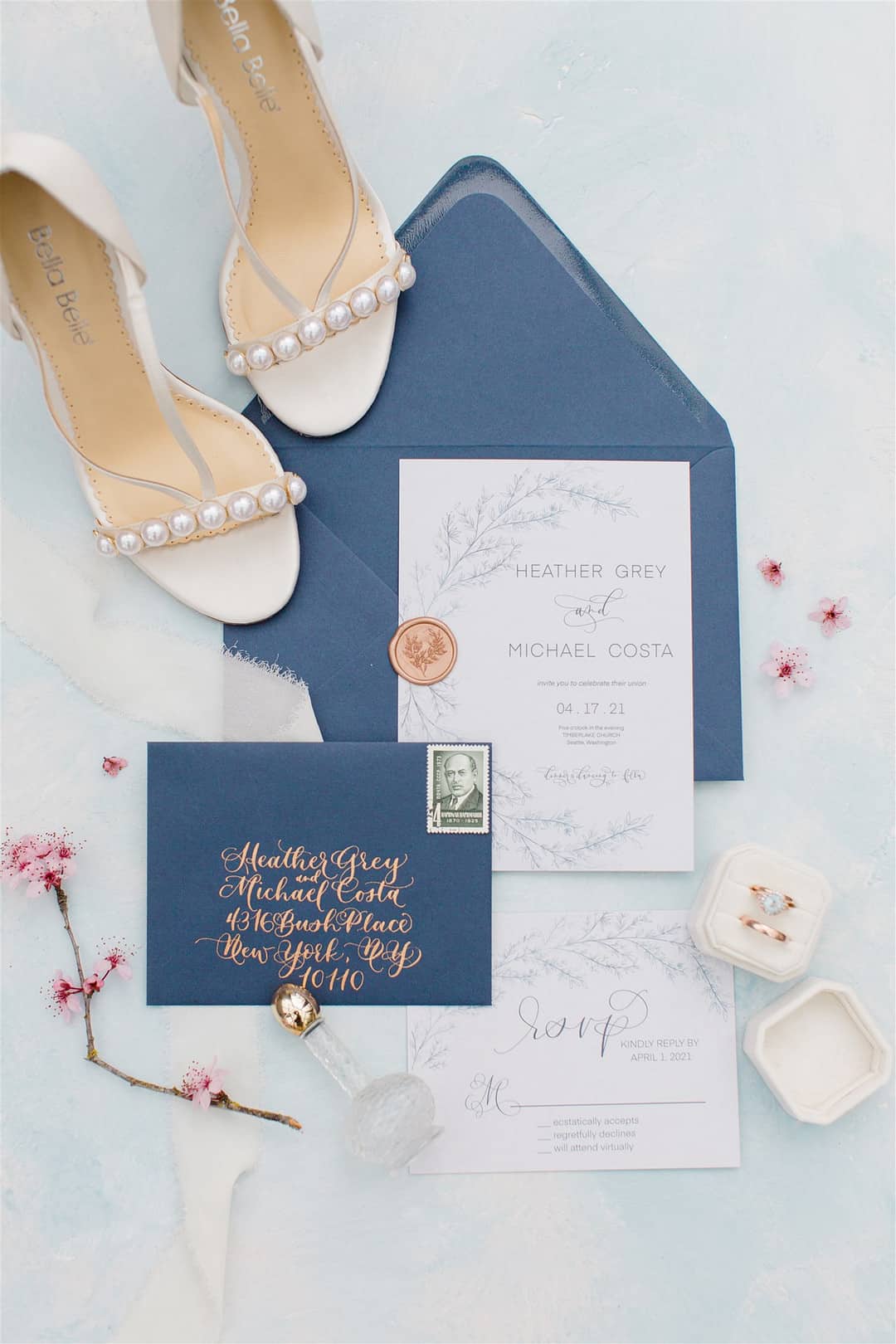
Ever wonder why photographers spend thirty minutes crouching over your shoes? It might look like they’re playing with jewelry, but these shots are the “once upon a time” of your wedding story. They give your album texture and context, and they’re also the images most likely to land your wedding on a bridal blog or vendor gallery.
To keep your sanity intact, create a Detail Box a week before the big day. Skip the frantic earring hunt while your hair is in rollers. Gather everything in one place so you can sip your pre-ceremony mimosa in peace while your photographer works their magic.
Your Detail Box Checklist
Gather these items ahead of time so your photographer can hit the ground running:
- The dress (on a pretty hanger) and shoes
- All three rings (engagement plus both bands, then on hands later)
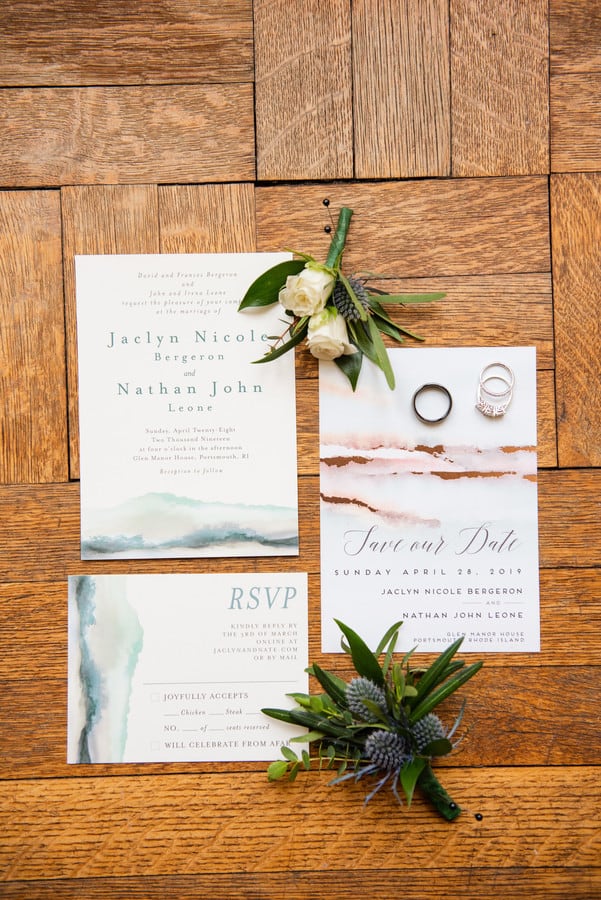
- Full invitation suite and an extra envelope
- Vow books and sentimental heirlooms
- Bouquets and boutonnieres
- Cultural essentials: Include your ketubah, tea set, bangles, or ceremonial garlands. Label these for your photographer so they understand their significance.
Efficiency Meets Aesthetic
Place your box in the brightest room available. Natural light is the secret to professional-grade detail shots. When your photographer arrives, point them toward the box and let them work for twenty minutes. This gives them a creative warmup and ensures every tiny element gets captured without interrupting your bridal prep.
Want to level up the look? Toss in a yard of textured linen or a wooden tray to serve as a backdrop. Ask for both horizontal and vertical crops: horizontal shots anchor albums, while vertical crops are essential for Instagram and Pinterest. Including your “something old or borrowed” adds a narrative touch that’ll hit differently when you flip through the album ten years from now.
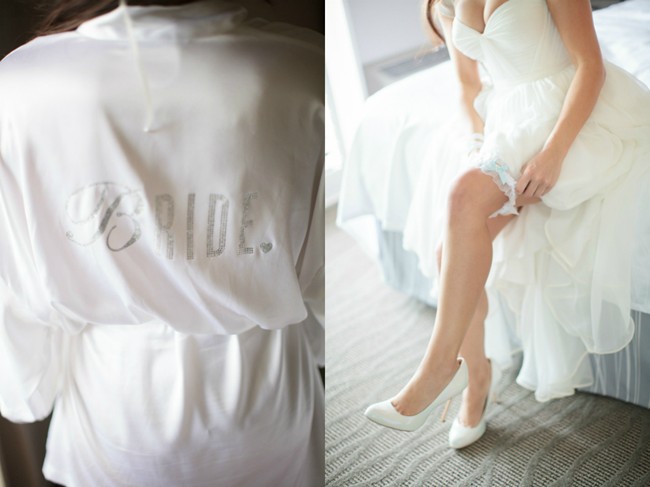
2. Getting Ready: Capturing the Calm Before the “I Do”
Let’s be real: the getting-ready room is usually a chaotic cocktail of half-eaten granola bars and rogue safety pins. Your photographer isn’t just documenting hairspray though. They’re catching the quiet intake of breath before you see yourself in the mirror for the first time. Here’s how to make sure those moments actually happen.
Must-Have Moments
Think about micro-timing: what happens in your robe versus what happens once you’re fully dressed? These are the wedding day photos must have beats that tell the story of your transformation:
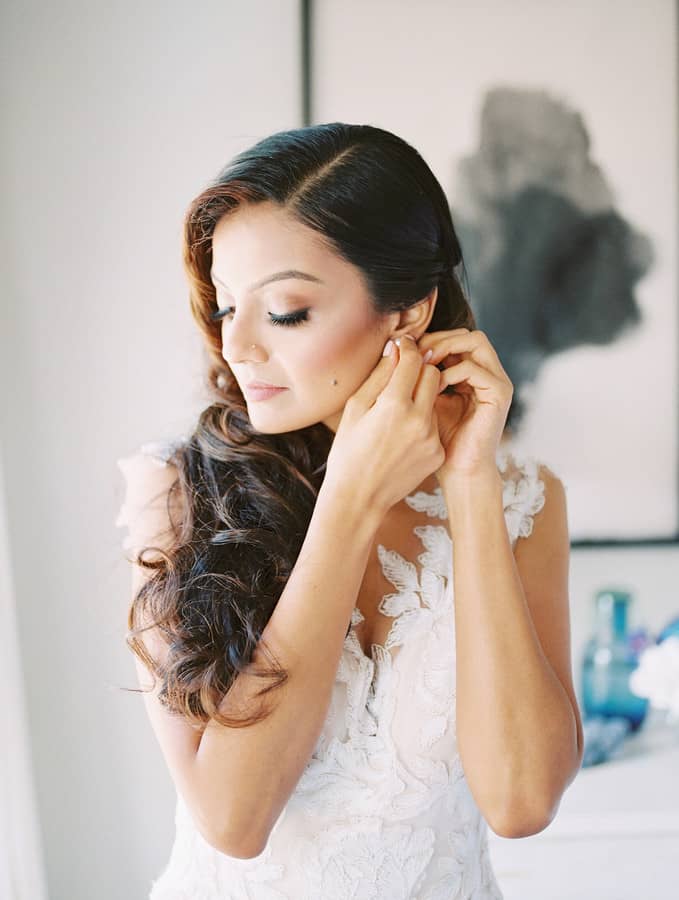
- The Glow-Up: Hair and makeup in progress, plus those final touch-ups
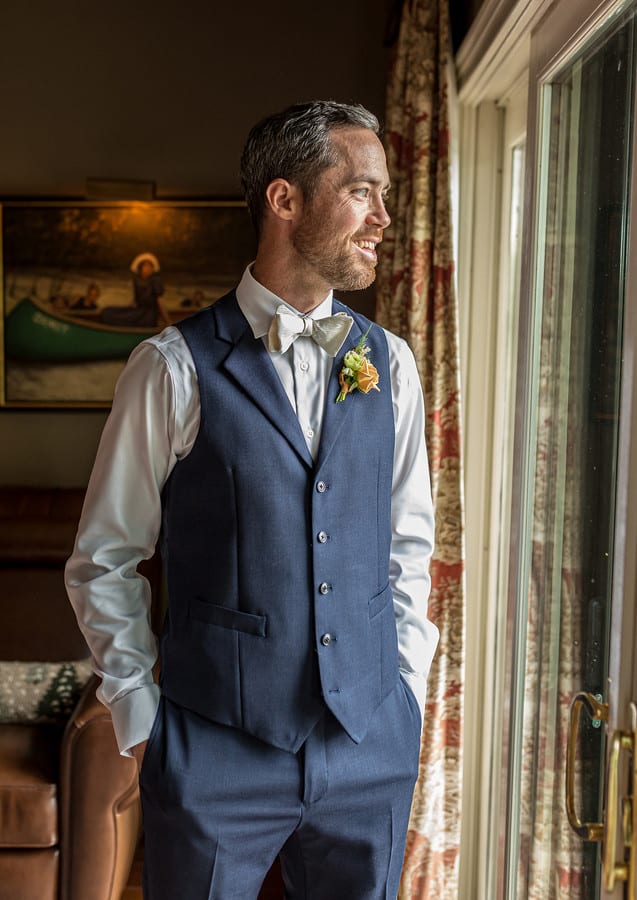
- The Big Reveal: Partner 1 zipping a dress or Partner 2 adjusting a tie or cufflinks
- The Crew: Each partner with their wedding party, and a quiet solo portrait for each of you
- The Reaction: A first look from a parent, guardian, or your ride-or-die squad
The Letter and Gift Exchange
If you’re swapping notes or gifts before the ceremony, don’t wing it in a dark hallway. Scout a spot with good window light or a private corner. Decide on the timing too: do you want to read that tear-jerker letter in your pajamas or in your full wedding finery? Reading it after you’re dressed looks polished, but doing it before might save your makeup from a mid-morning cry.
Logistics That Save Your Photos
Your photographer is a pro, but they’re not your maid. To keep your gallery looking polished, designate one “dump zone” for suitcases and clutter far from the windows where photos happen. Hang your outfits early to let wrinkles drop naturally. And for the love of all things holy, keep the red wine away from the formal wear until the photos are done.
3. The First Look: Orchestrating the Big Reveal
The thought of having an emotional breakdown in front of 150 staring guests makes a lot of couples want to quietly disappear. You are not alone. While the traditional aisle reveal is iconic, it’s also a high-pressure performance with zero room to breathe. A private first look is a wedding day photos must have for couples who want to actually enjoy seeing each other without an audience.
Your First Look Options
You don’t have to limit the magic to just the two of you. Here are a few variations worth considering:
- The Couple First Look: The gold standard for private vows and shaking off the jitters
- The Parent or Guardian Reveal: Perfect for that “I can’t believe you’re all grown up” moment
- The Wedding Party Reveal: Gather your people for a high-energy reaction when they see you in full finery
How to Get the Best Reaction Photos
Pick a quiet, secluded spot and limit the audience to essential people only. If your entire bridal party is hovering and giggling in the background, you won’t feel relaxed enough for those raw emotions to surface. For the best positioning, have Partner A stand facing away while Partner B approaches for a shoulder tap. Tell your photographer upfront whether you want the moment fully candid or lightly directed.
Pre-Ceremony Portraits to Knock Out Early
The best part of a first look? You can finish your formal photos before the “I dos” even happen. Checking these off early means more time for champagne at cocktail hour:
- Romantic couple portraits
- Full wedding party lineups
- Individual partner portraits
If You’re Skipping a First Look
Still want that traditional walk down the aisle? We get it. Plan a “two minutes alone” moment immediately after the ceremony instead. It offers the same intimate vibe, just with a different timestamp on your wedding day photos must have list.

4. The Ceremony: Capturing the Rituals and Reactions
Your ceremony is a high-stakes blur. One minute you’re walking down the aisle, and the next you’re married. To make sure your gallery captures the full story, your photographer needs to balance wide architectural shots with tight, emotional close-ups.
Setting the Stage
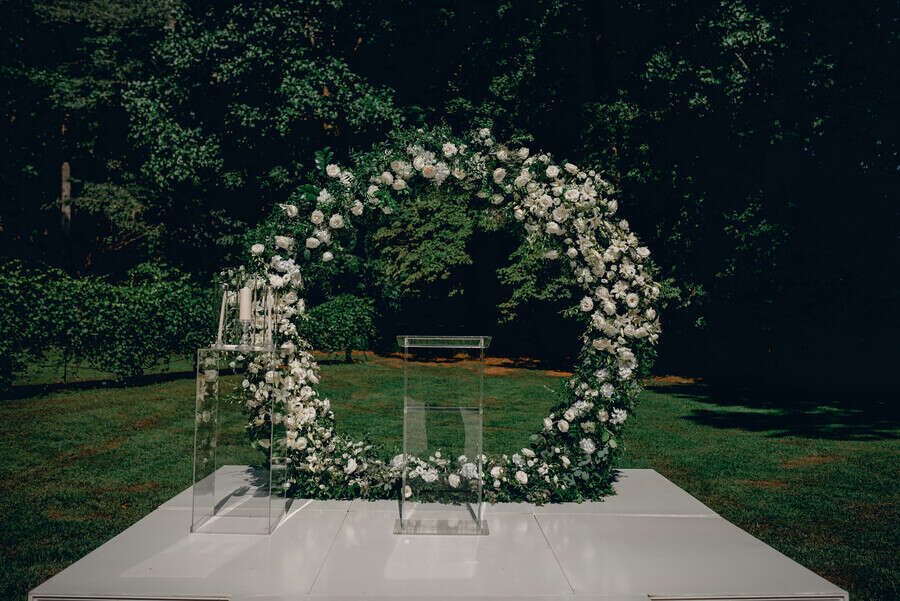
Before guests arrive and start checking their phones, your photographer should capture the empty room while the decor is pristine and the candles are freshly lit:
- Wide venue shots: The full scale of the altar, chuppah, or mandap
- The details: Close-ups of florals, signage, programs, and unique aisle markers
- The atmosphere: The quiet stillness of the space before the energy shifts
The Processional and Reaction Beats
The walk down the aisle is a goldmine for your wedding day photos must have list. It’s not just about the entrance; it’s about the ripple effect of emotion through the room:
- The entrants: Flower kids (usually doing something adorable or chaotic), ring bearers, and the full wedding party
- The reveal: A tight shot of the partner waiting at the front. If they’re wiping away a stray tear, you definitely want that on film.
- The humans: Parent reactions, grandparents, and that one best friend who always loses it during the vows
Rituals and Cultural Anchors
Every ceremony has its own heartbeat. Beyond the exchange of vows and rings, brief your photographer on the specific cultural milestones that matter to your family:
- Jewish traditions: The ketubah signing, the bedeken, and the satisfying crunch of breaking the glass
- South Asian celebrations: The baraat arrival, the varmala garland exchange, the saptapadi (seven steps), and the sindoor or mangalsutra moment
- Chinese customs: The tea ceremony, with focus on both the serving and the receiving of red envelopes or jewelry
The “Unplugged” Workaround
Worried about a sea of iPhones ruining your professional kiss shot? Ask your officiant to announce a five-second “photo pause” right after the big moment. You stay locked in that embrace while your photographer gets a clean, unobstructed shot before the recessional begins. Simple, effective, and your future self will thank you.


5. Family Formals: The Playbook for Zero Meltdowns
Standing in a drafty church foyer while a photographer shouts for the groom’s second cousin is the fastest way to kill your post-ceremony high and trigger a low-blood-sugar headache. If you want to reach cocktail hour before the mini quiches vanish, you need an actual plan for this part of your wedding day photos must have list.
The “Don’t Forget Anyone” Template
Start with these core groupings and build out from there based on your family situation. We have a checklist template to help you organize this, but here’s the core of it:
- Couple with Partner A’s parents and guardians
- Couple with Partner A’s immediate family (parents, siblings, and their partners)
- Couple with both sets of parents together
- Couple with Partner B’s parents and guardians
- Couple with Partner B’s immediate family
- Grandparent groupings for both sides
- Blended family variations or chosen family squads
The Speed Strategy That Actually Works
Don’t just write “Groom’s Aunts” on your list. Your photographer doesn’t know what Aunt Linda looks like, and they’ll waste precious minutes searching for her in a sea of fascinators. Use specific names for every single person in every shot, and hand this list to your photographer at least two weeks before the wedding.
Order your list logically by starting with the largest groups, or those involving young children and elderly grandparents. Once their photos are done, release them to the bar immediately. This keeps the crowd small, the noise down, and the energy high for the remaining shots.
Assign a Family Wrangler. Pick a loud, organized bridesmaid or a cousin who knows everyone’s faces. Your photographer’s job is to take the photo, not play detective in the lobby.
Realistic Timing Guidance
Relatives are slow and easily distracted by the open bar. Plan for about 2 to 3 minutes per small grouping. Larger extended family shots can take 5 to 7 minutes just to sort out the height order. Most couples land around 20 to 30 minutes for 10 to 12 groupings. If your list is 40 items long, you’re going to miss your own reception.
The Pet VIP Shot
If your dog is basically your child, treat them accordingly. Schedule pet portraits at the very beginning of the session before they get overstimulated by crowds and floral scents. Get the shot done early so they can head home with a sitter while you remain fur-free for the rest of the day.
6. The Core Portrait Set: Mastering the Natural Look
Nobody wants wedding photos that look like a stiff high school prom redo. If “posing” makes you break out in hives, here’s a reframe: you don’t need a modeling contract to get magazine-quality results. You just need a few tricks to shake off the awkward.
The Album Staples
Your wedding day photos must have a solid foundation of classic staples. These are the “safe” shots your parents will inevitably frame for their mantle:
- The classic “both look at the camera” portrait
- A wide scenic shot capturing the venue’s full scale
- Intimate forehead-to-forehead leans and close-ups
- Candid laughing and genuine kissing moments
Add Movement for Instant Energy
Ditch the awkwardness by moving. Instead of standing still, try a slow walk toward the camera while chatting about your favorite part of the day. Give your partner a twirl, or hold an “almost kiss” for three seconds. That physical tension creates natural energy that beats a frozen smile every single time.
The “Fit” Check
You likely spent a small fortune on your wedding attire, so let it actually shine. Plan a shot that showcases the full look: a spread-out dress train, a dramatic veil flick, or a sharp jacket drape. These planned detail shots make sure your fashion choices don’t get lost in the shuffle.
The Golden Hour Micro-Session
Want that ethereal, glowy magic? Reserve 10 to 20 minutes around sunset for a quick second round of portraits. This micro-session offers the most flattering, buttery light of the day, and you’ll be post-ceremony and much more relaxed. Your future self will thank you.
Focus on Comfort, Not Roles
Swap “groom holds bride” for “one partner lifts or spins the other” if that fits your vibe. If a pose feels physically uncomfortable or just isn’t you, skip it. Your photos should reflect your actual relationship, not a plastic cake topper.
7. The Wedding Party: Wrangling the Squad with Style
Some wedding party photos look like a joyful celebration. Others resemble a high-stakes police lineup. The difference is usually personality, and a little bit of planning. You want your people to look like they’re actually having fun, not counting the seconds until the cocktail sausages arrive.
The Two-Shot Formula
For every grouping on your wedding day photos must have list, use this simple two-step rule. First, take a clean classic frame where everyone looks at the camera. This is the traditional shot your parents will probably want to frame. Then introduce movement to melt away the awkwardness. Have the squad walk toward the photographer, share a laugh, or raise a glass in a toast. Movement yields much better candid results and helps everyone figure out what to do with their hands.
Essential Groupings
Don’t overcomplicate your list with a thousand combinations. Stick to these core setups to save time and keep your energy high for the reception:
- The Full Party: Everyone together for the ultimate squad goals shot
- Side-Specific: Each partner with their own crew
- The Inner Circle: Individual pairs with your Maid of Honor, Best Person, or People of Honor
Inclusive and Modern Vibes
Whether you have mixed-gender groupings, non-binary attendants, or chosen family, focus on the people who actually show up for you. Use titles that feel right for your circle so everyone feels seen and comfortable.
Is your dog part of the party? Do a quick “everyone look at the dog” shot. It usually ends in a tangled leash and genuine laughter, which makes for the most authentic photo of the whole day.

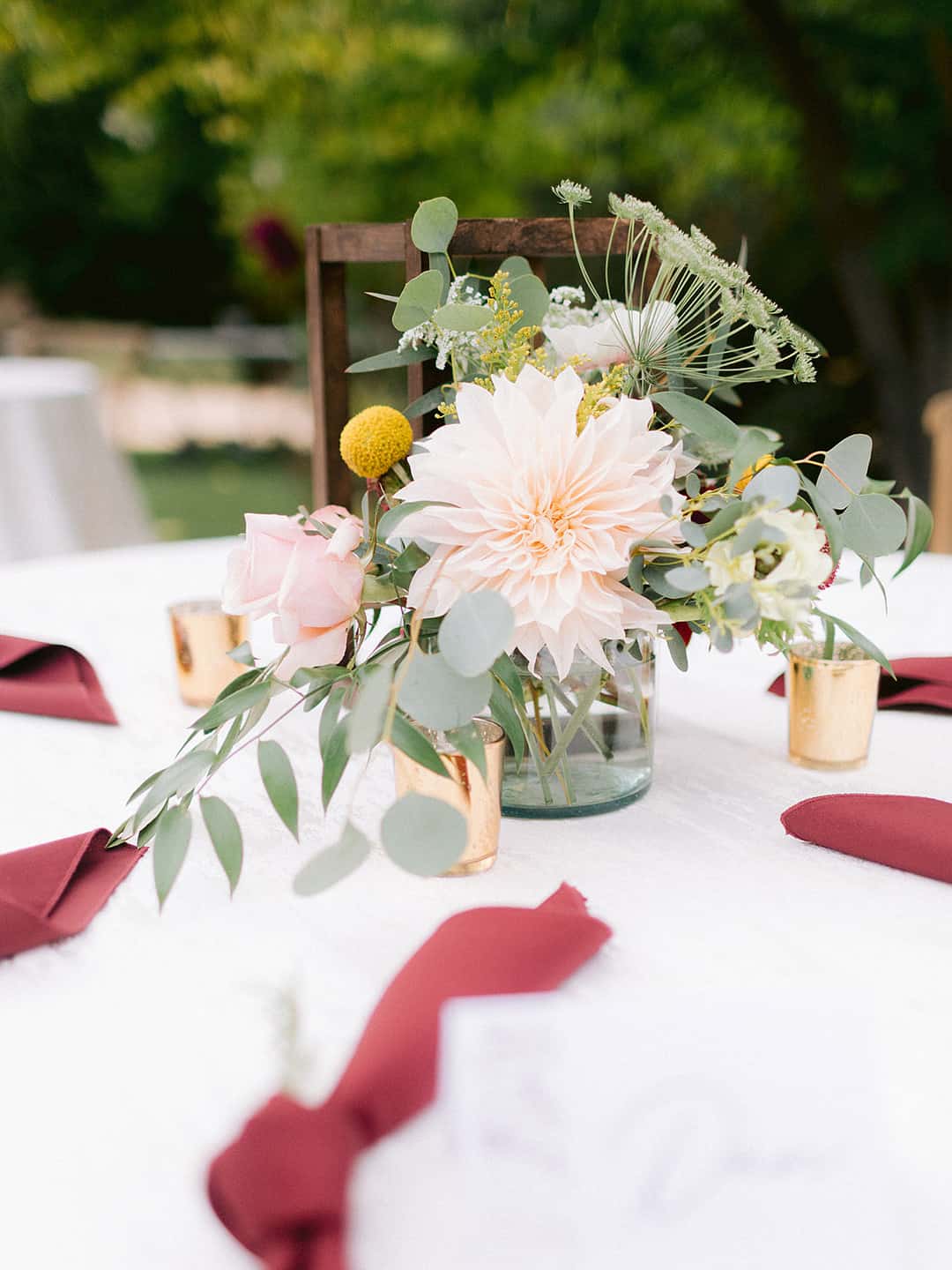
8. The Reception Detail Sprint: Capturing the Art Before the Party
Ever seen a reception room after 150 guests abandon half-empty gin and tonics? It looks less like a Pinterest dream and more like a pricey garage sale. This is exactly why the “empty room” sprint is a critical wedding day photos must have for your timeline.
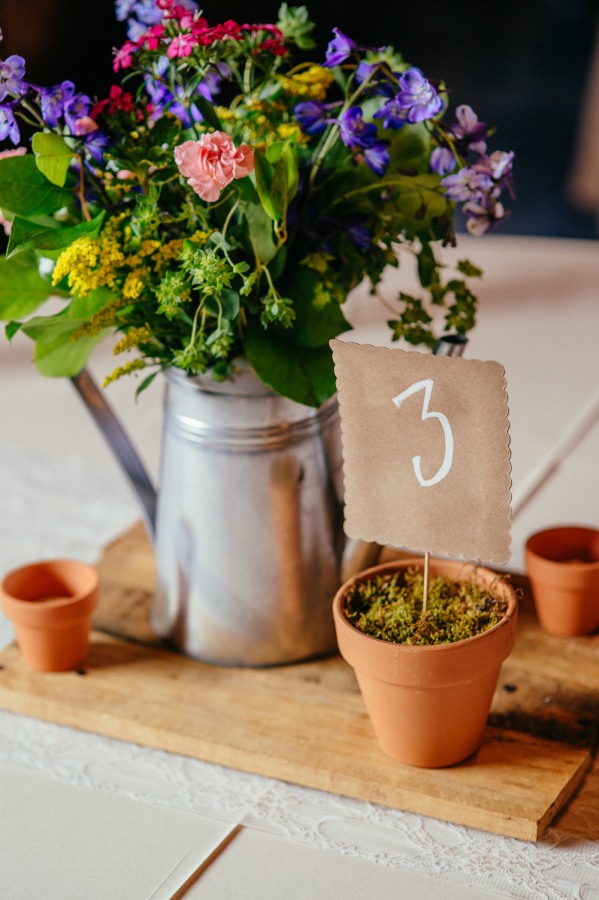
Your florist, planner, and stationery designer spent months obsessing over petal symmetry and font kerning. You owe it to them (and your own bank account) to document that work before the bread baskets and butter wrappers move in for the night.
The “Empty Room” Checklist
To make the most of this time-sensitive window, make sure your photographer hits these marks:
- The hero shot: A wide-angle view of the entire room before a single soul enters
- The tablescapes: Close-ups of centerpieces, place settings, and custom menus
- The logistics: Seating chart, signage, escort cards, and unique lighting installations
- Food and drink: The cake or dessert table, signature cocktails, and cocktail hour setup
How to Secure the Window
Ask your coordinator for a ten-minute window where guests stay at cocktail hour while the photographer works. Explicitly tell your photographer these shots are a priority. Think of it as a closed-set production where the tables are the talent.
These detail photos are also what you’ll actually use for thank-you cards and anniversary posts. And tagging your vendors in these images is a small gesture that goes a long way in the wedding world.
9. The Reception: Party Shots and Reaction Gold
Welcome to the reception, where your carefully crafted timeline usually catches fire. Between long-winded toasts and kitchen delays, it’s a high-speed chase for your media team. Keep your wedding day photos must have list on track with a proactive strategy.
Sync Your DJ and Photographer
If your DJ starts the cake cutting while your photographer is swapping a battery, that moment is gone forever. Ask your DJ to announce every major event two minutes before it happens. This gives your photographer time to check lighting and get into position, and prevents those frantic, blurry mid-slice shots. Think of your DJ as the stage manager and your photographer as the lead cinematographer.
The Reception Checklist
To keep the energy high and your gallery full, make sure these anchor moments are on the shot list:
- The entrances: Your grand entrance and any high-energy wedding party intros
- The dances: First dance, parent or guardian dances, and meaningful “dance swaps” for blended families
- The milestones: Heartfelt toasts, cake cutting, and late-night surprises like a pizza delivery or taco truck
- The traditions: Bouquet or garter alternatives, anniversary dances, or a massive group photo on the dance floor
Reaction Shots: The Secret Sauce
The best reception photos usually aren’t of you. The real wedding day photos must have magic lives in the reactions. Your best friends losing it during toasts. Your grandparents’ misty-eyed expressions during the first dance. Tell your photographer to actively hunt for these candids. You already know what you look like while dancing, but seeing your college roommates’ faces during the speeches? That’s the gold you’ll cherish twenty years from now.
The Social Media Angle
Ask for one or two vertical-friendly compositions during the first dance and toasts. Request centered framing and clean, uncluttered backgrounds. It takes seconds to tilt the lens, but it makes your Reels and Stories look infinitely more polished. That 9:16 aspect ratio means your first dance won’t get cut off by the Instagram UI.


10. The Grand Exit: Planning Your Final Bow
By midnight, your hair is “lived-in” and your feet are staging a protest. Decide now whether you want a real exit, a staged finale, or to skip the theatrics entirely and keep the party going.
If your photographer leaves at 9 PM while the party rages until midnight, just fake it. Gather your wedding party for a staged exit earlier in the evening. You get the high-energy shots while you still look fresh, and you skip the overtime fees. Everyone wins.
Choose Your Grand Finale
- Sparklers: Incredible lighting, but you’ll need a sober “launcher” to cue the crowd
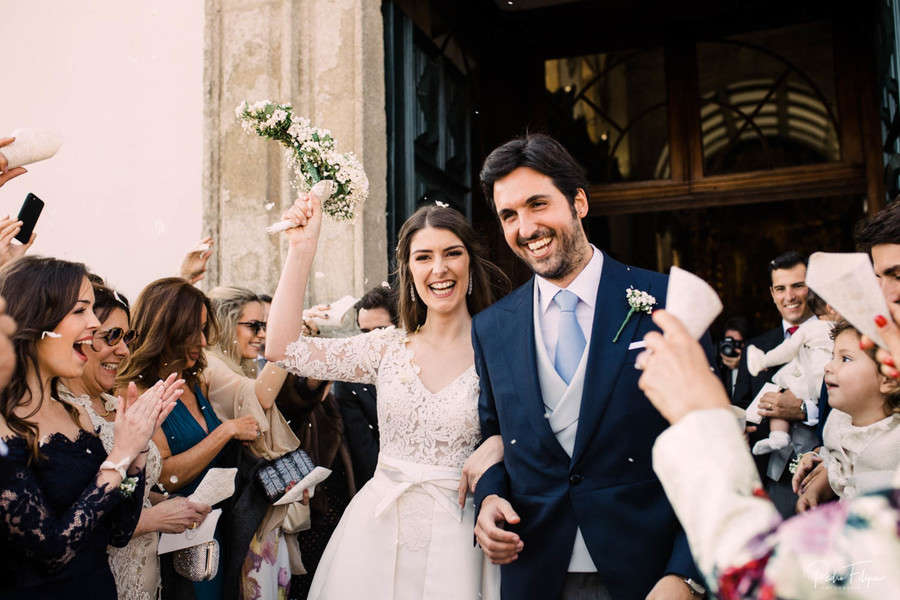
- Confetti or petals: High whimsy and great texture. Check your venue’s cleanup policy before you commit.
- Getaway car: A final kiss in a vintage convertible or decorated car is a classic wedding day photos must have beat
Keep the guest group small. A tight tunnel of your wedding party is much easier to manage than 200 tipsy guests. Pick one person to lead a countdown and do a quick practice run before you make the walk.
If your dog is attending, grab a leash-ready “goodnight” portrait before they head home with their handler. The sweetest possible way to wrap up your story.
11. The Art of the Candid: Capturing the Unscripted Magic
The framed photos on your mantel rarely feature you staring at the camera, and there’s a reason for that. The real soul of your gallery lives in the unscripted micro-moments. Portraits are nice, but those un-posed flashes capture how the day actually felt.
What Candid Actually Looks Like
Candid isn’t a photography style. It’s a reaction. The shaky intake of breath before the ceremony doors open. Your partner squeezing your hand under the dinner table. These aren’t scripted beats. They’re the honest, messy evidence of a wedding day well-lived.
Must-Have Human Moments
Your photographer should hunt for the people who make your world spin, not just you two:
- The guardians: Parents or mentors during the ceremony. The “proud cry” is a total classic.
- The elders: Grandparents sharing a private smile or a quiet toast in the corner
- The squad: Friends greeting you with high-octane energy at cocktail hour
- Your partner: When they think nobody is watching them admire you
Embrace the Beautiful Mess
We’re giving you official permission to normalize the messy. A photo of a laughter-snort or a smudge of smeared lipstick is worth ten stiff portraits. These images are the ones that trigger the actual feeling of the day decades later. If you spend too much energy trying to look perfect, you’ll miss every chance to look happy.
How to Encourage More Candids
Stop performing for the lens. Build 15-minute buffers between events so you’re not constantly rushing. An unplugged ceremony is also your best friend: when guests aren’t hiding behind screens, their reactions are visible and genuine.
Consider a second shooter for total immersion. While the lead focuses on the rings, the second pro catches your mom losing it in the front row.
The Content Creator Option
If you have someone capturing phone footage, request POV-style angles. Have them film you walking into the ceremony or your first reaction to the decorated reception room. These raw clips feel incredibly immediate and authentic for your social feeds, and they give your gallery a different texture.
12. Creative Shots: Adding Editorial Flair to Your Gallery
An editorial shot is the difference between a standard “look at the camera” photo and something genuinely frame-worthy. And you don’t need a four-hour fashion shoot to get there. You just need ten focused minutes.
Pick two or three ideas that actually match your personality. A veil float creates an ethereal, wind-swept look (just have a bridesmaid toss the fabric and run). A motion spin captures playful energy. If you prefer something moodier, try a dramatic silhouette in a doorway or a quiet mirror reflection. These are the wedding day photos must have moments that make people stop mid-scroll.
The best time to sneak these in is during your golden hour micro-session. The low, buttery light does the heavy lifting for you. And here’s the important part: choose one style that fits your actual personality. If you’re high-energy, do a motion walk. If you’re more reserved, go for a window light portrait. One authentic creative shot beats five forced ones every time.
Ask your photographer for at least one vertical (9:16) composition of your favorite creative shot. This framing is built specifically for Reels and Stories and ensures your best moments fill the entire screen without losing gorgeous detail to awkward cropping.
How to Build Your Wedding Photo Execution Plan
You have the vision and the list. Now you need a strategy so you’re not screaming across a parking lot for your bridesmaids. Turning a wishlist into a functioning timeline is the difference between a relaxed cocktail hour and a logistical train wreck. Follow these six steps to turn your wedding day photos must have list into a real playbook.
Step 1: Label Your List by Priority
Ruthlessly prioritize before you send a single email. Use three categories: Must-Have, Nice-to-Have, and If Time. This ensures your photographer knows exactly where to focus if the ceremony runs long or the weather turns. A Must-Have shot is a non-negotiable emotional anchor: the tight shot of your father’s expression when he walks you down the aisle, or the quiet moment you share with your partner right after the ceremony. If those get missed, the album feels incomplete. Everything else is a bonus.
Step 2: Schedule the Must-Haves First
Build your timeline around the essentials. Don’t expect your photographer to squeeze thirty group shots into a ten-minute window. It simply won’t happen. Reserve 10 to 20 minutes early in the morning for detail shots when the light is fresh. Block out 20 to 30 minutes for family formals immediately after (or before) the ceremony. And reserve 20 to 40 minutes total for couple portraits, split between a first look and golden hour if possible.
Step 3: Recruit Your Wranglers
You are the star of the show, not the stage manager. Don’t spend your wedding day hunting for wandering Uncle Jim while trying to look radiant. Assign a Family Wrangler who actually knows your relatives by face: someone loud, organized, and willing to pull people away from the bar. Do the same for your wedding party. If a pet is involved, hire a dedicated handler or ask a trusted friend who isn’t in the ceremony.
Step 4: Communicate Early and Often
Send your finalized wedding day photos must have list to your photographer at least one to two weeks before the wedding. This gives them time to ask questions or suggest better locations for specific shots. Be explicit about cultural rituals. If you have a tea ceremony or a ketubah signing, explain what it looks like and when it happens. And for family photos, use specific names instead of group labels. “John, Sarah, and Grandma Beth” cuts transition time in half.
Step 5: Engineer Space for Candids
The best photos usually happen in the gaps between the big events. If you schedule every single minute of your day, you will look stressed in every frame. Build in 15-minute buffers throughout the afternoon. Consider a second shooter if you want simultaneous coverage of both partners getting ready, or more focus on guest reactions during the ceremony.
Step 6: Set Your Social Media Strategy
Decide who is responsible for phone footage if you want content for your Reels. Many couples now hire a dedicated wedding content creator to capture vertical clips and POV moments. This keeps your photographer focused on the high-res gallery while making sure you have fun clips ready for the next morning. Just be clear about your deliverables upfront so your social media needs don’t pull your photographer away from the big moments.
Review your final plan, make sure you have a realistic timed schedule to hand to your photographer and coordinator, and then stop planning. You’ve accounted for the chaos, assigned the helpers, and prioritized the memories that actually matter. Now go get married.
Your Wedding Photo Logistics Answered
Still feeling a little cross-eyed looking at your timeline? Don’t panic. Here are the most common burning questions to help you navigate the fine line between “organized bride” and “logistical nightmare.”
How many photos should be on a wedding photo checklist?
Keep your list lean by focusing on the un-missables. A solid wedding photo checklist should have about 15 to 20 high-priority prompts, not 200 micro-managed instructions. You hired a professional because you trust their eye. They already know to capture the kiss and the cake. Use your list for the specific things they can’t guess, like your secret sorority handshake or your sentimental locket.
How long do family photos take?
Expect family formals to take about 2 to 3 minutes per small grouping. A standard list of 10 to 12 groups puts you at roughly 30 minutes. Larger extended family shots can easily double that time because Uncle Bob is inevitably at the bar when his name is called. A Family Wrangler and a strict list will keep things moving.
Do I need a second shooter?
A second shooter is a game-changer if you want simultaneous coverage of both partners getting ready in different locations. It’s also the best way to capture ceremony reaction shots: while the lead photographer focuses on the person walking down the aisle, the second pro catches the partner’s face at the altar. If your guest count is over 150, a second set of eyes is almost essential for candid variety.
What if we don’t want getting-ready photos or a staged exit?
Perfectly fine. Your wedding day is not a scripted movie set. If the idea of posing in a silk robe makes you cringe, trade those minutes for more dance floor coverage or a longer sunset portrait session. If you’re not a night owl, skip the midnight sparkler exit and do a high-energy grand entrance to the reception instead. Prioritize the moments you’ll actually want to print or rewatch.
Can I ask for TikTok or Reels-style content too?
Yes, but be clear about who is responsible for the footage. Most photographers are happy to snap a few vertical-friendly shots if you ask, but their priority is your high-res gallery. If you want specific behind-the-scenes clips, consider hiring a dedicated wedding content creator. Your photographer stays focused on the big shots, and your social media feed gets its moment.