
What to Wear to a Wedding: Guest Dresses for Every Dress Code, Season, and Venue
The invitation arrived.
There’s a venue name, a date, possibly a sunset ceremony photo, and somewhere in the details: a dress code. Two words (or one frustratingly vague phrase) that somehow require you to make four decisions at once. How formal is too formal? What color won’t weird anyone out? Will you overheat in floor-length satin? Can you actually dance in this?
The answer changes depending on whether you’re attending a black-tie ballroom affair, a backyard garden party, or a beach ceremony in July. Same guest. Very different outfits. The dress code on the invitation is only part of the puzzle. Season, venue, time of day, and color all do their own work.
We’ve broken it all down by dress code, season, venue, and color so you can skip straight to what applies to your actual situation. Find your scenario below, click through for the full guide, and show up looking like you’ve done this before. And once you’ve nailed your outfit, browse our Real Weddings directory for even more inspiration.
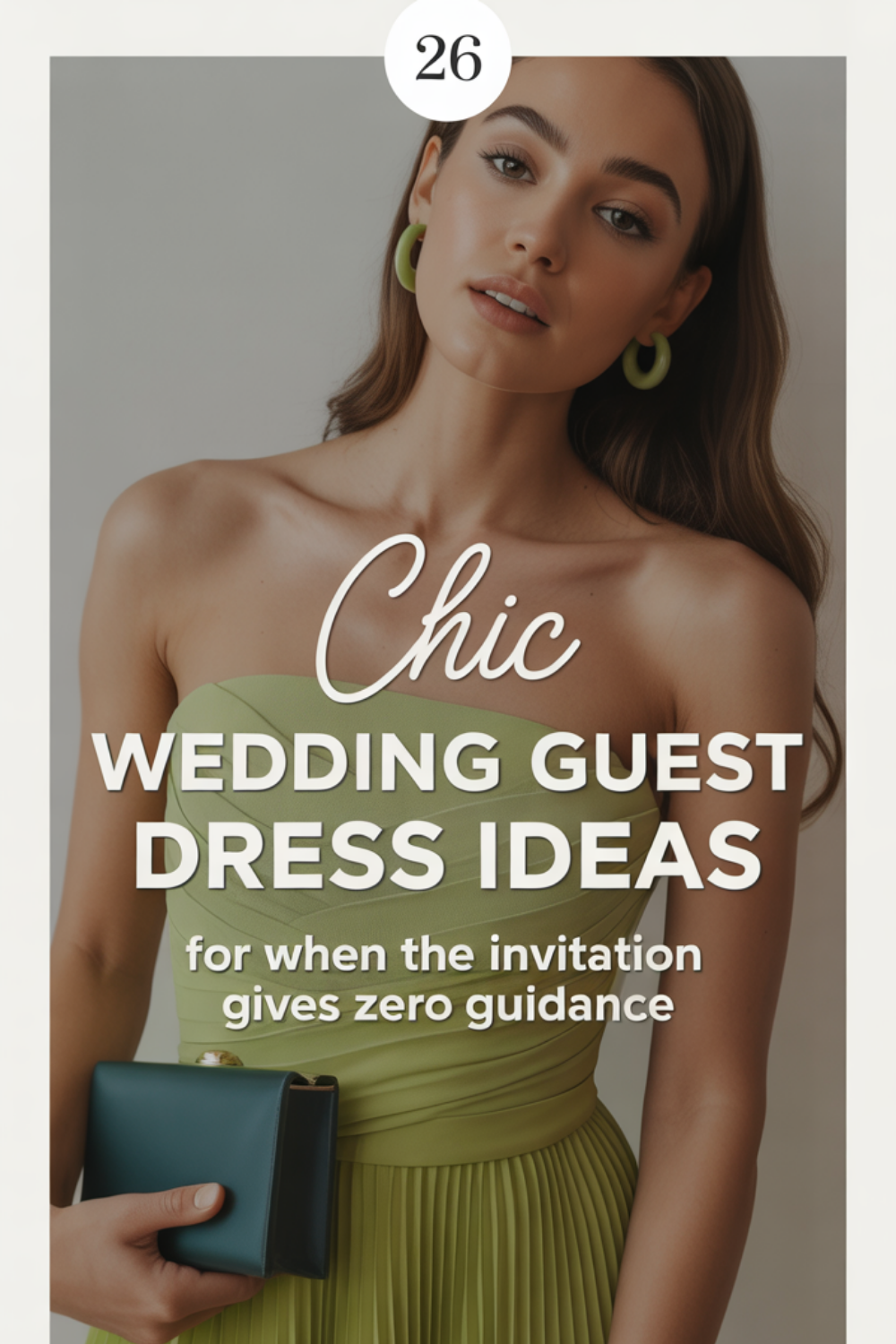
Wedding Guest Dresses by Dress Code
Dress codes are doing a lot of work on that invitation. Here’s what each one actually means for what you wear, and where the real flexibility lives within each category.
Black Tie Wedding Guest Dresses
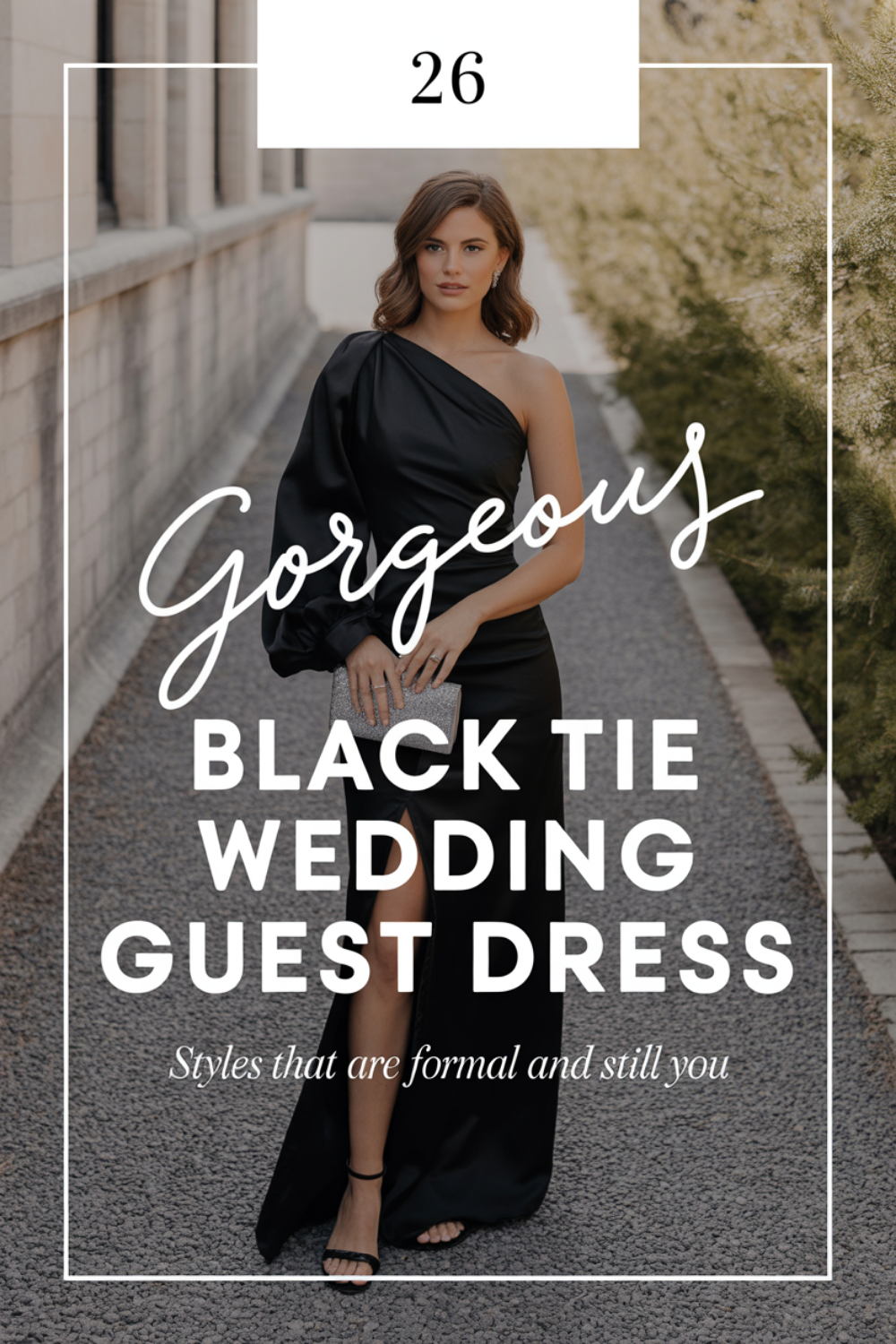
Those two words send most people straight to the internet in a mild panic. Black tie means floor-length gowns are the standard, but there’s more flexibility in fabric, neckline, and color than the dress code implies. The key is understanding what’s doing the heavy lifting (silhouette and fabric) versus what’s actually up to you (everything else). Our black tie guide covers exactly that, with real dress examples that hit the mark without going full Met Gala.
See our Black Tie Wedding Guest Dress guide →
Formal Wedding Guest Dresses
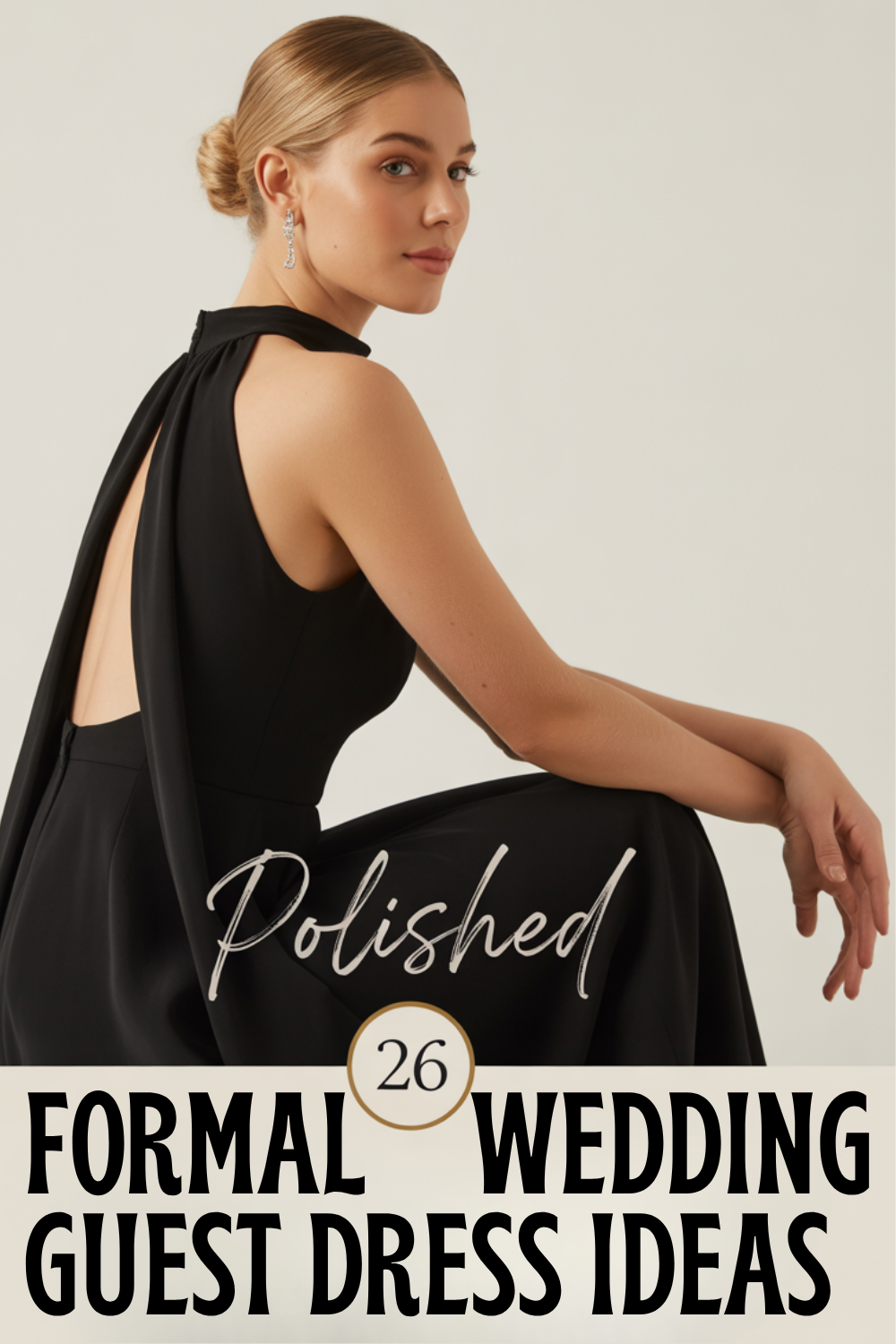
Formal sits in the awkward middle ground between black tie and cocktail. Too casual and you look underdressed. Too done-up and you’ve accidentally outshone the bridal party. The formal guide focuses on the length, fabric, and silhouette rules that make the look feel intentional rather than uncertain, covering everything from midi dresses to floor-length gowns in the fabrics that read correctly for the occasion.
See our Formal Wedding Guest Dress guide →
Casual Wedding Guest Outfits
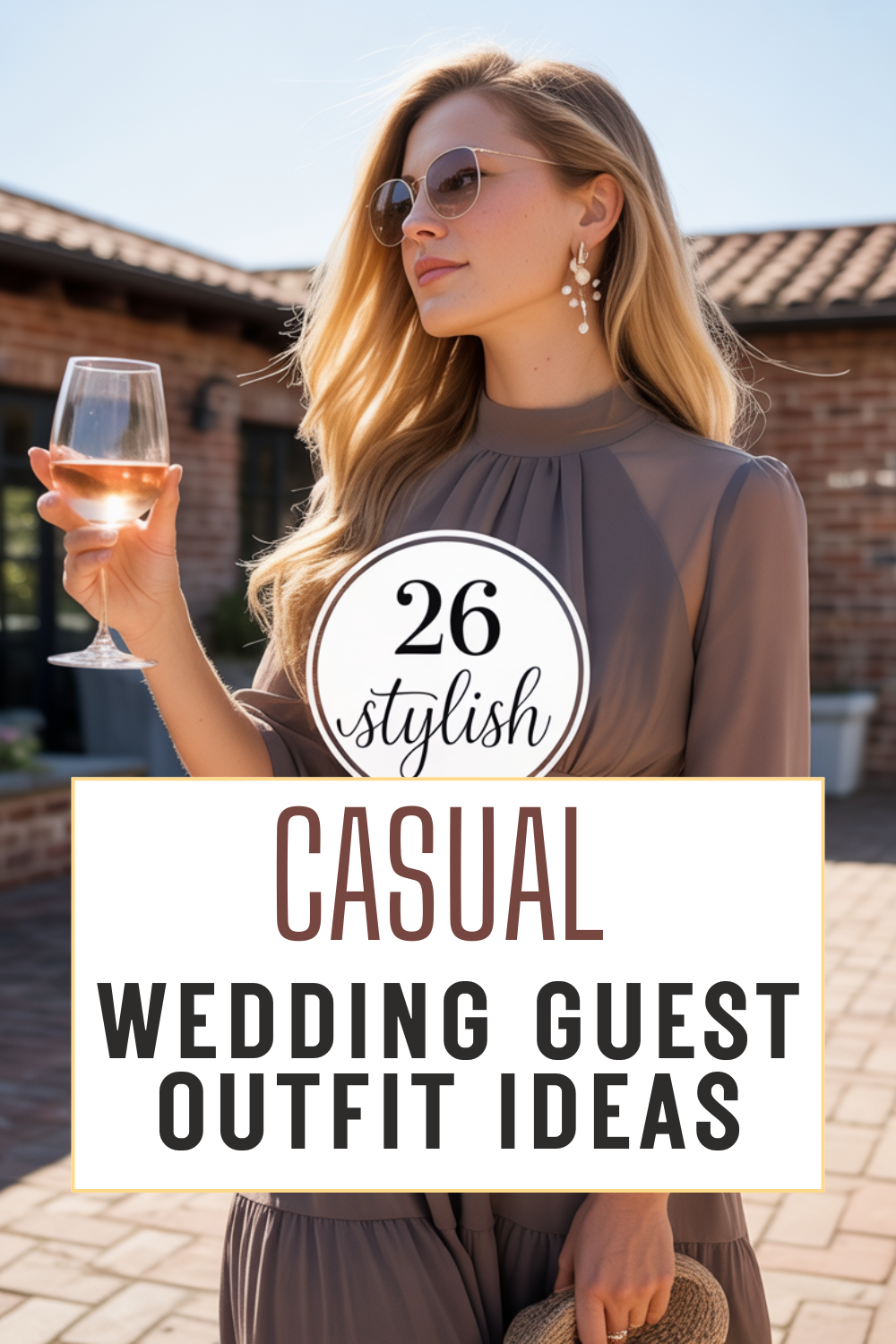
“Casual” on a wedding invitation is somehow harder to decode than “black tie.” It doesn’t mean jeans (usually), but it doesn’t mean a ballgown either, and the window between those two extremes is wider than it sounds. The casual guide decodes what the dress code actually means by venue and time of day, so you know when a sundress is appropriate, when it’s underdressed, and when a linen blazer is doing more work than you’d expect.
See our Casual Wedding Guest Outfit guide →
Wedding Guest Dresses by Season and Venue
Season and venue change the equation as much as the dress code does. A floor-length gown that works perfectly in an air-conditioned ballroom becomes a liability in July humidity. The guides below combine dress code guidance with what the actual environment will throw at you.
Summer Wedding Guest Dresses
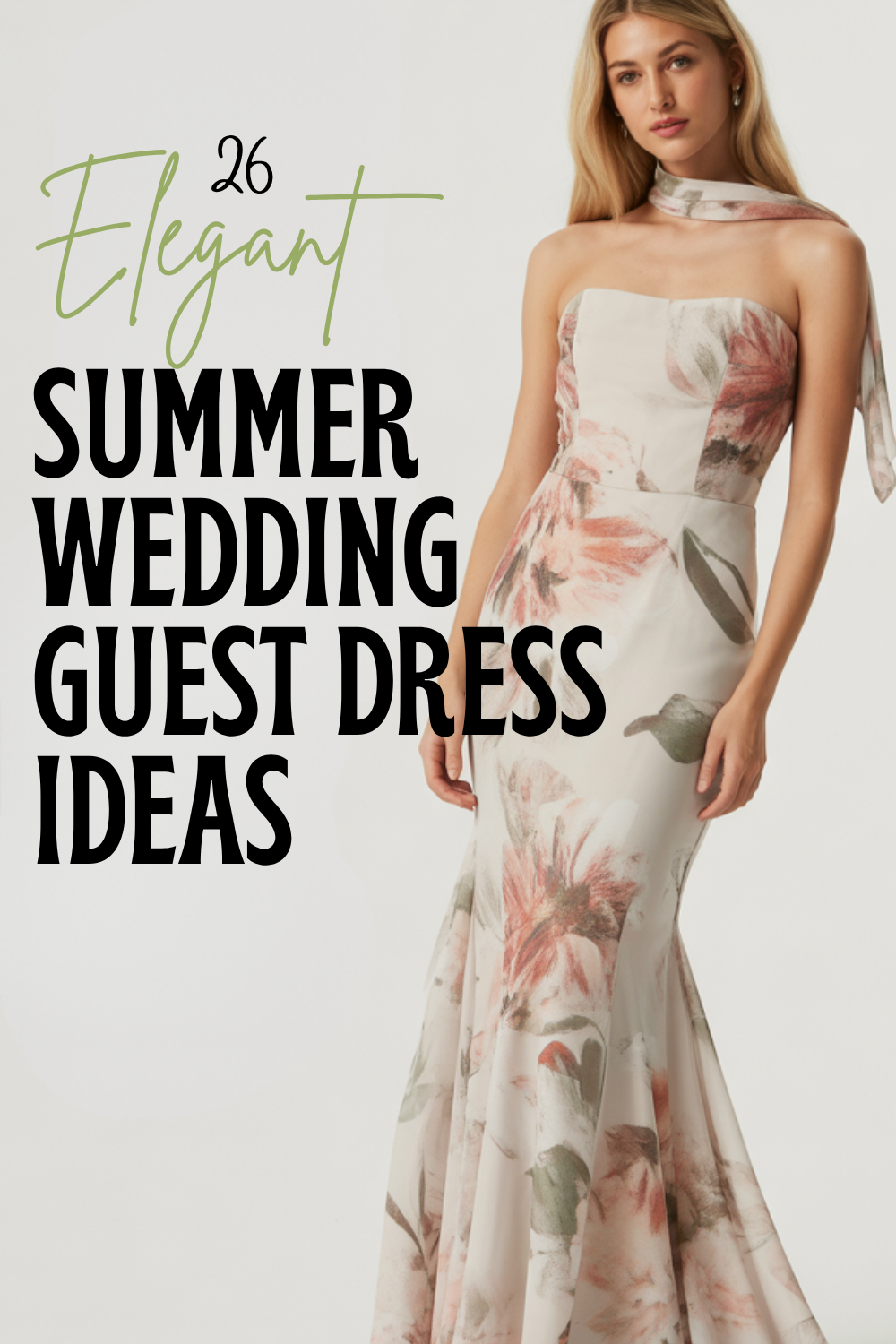
Summer weddings span everything from backyard cookouts to formal evening affairs, and the dress code alone won’t tell you what fabric to wear in the heat. The summer guide is organized by dress code so you know exactly what to reach for whether it’s a casual afternoon party or a seated dinner in a venue that may or may not have functioning air conditioning.
See our Summer Wedding Guest Dress guide →
Spring Wedding Guest Dresses
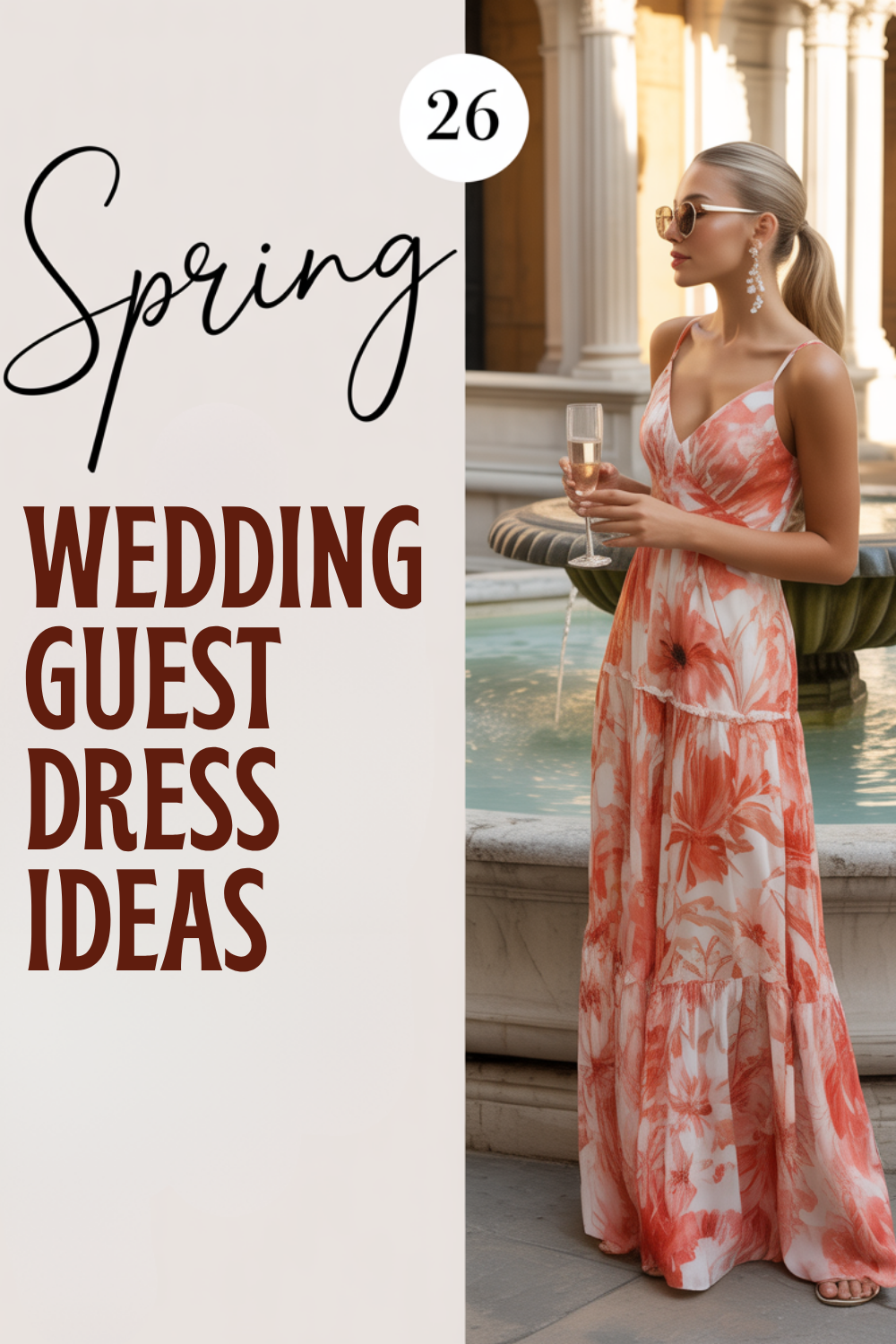
Spring weddings are charming until it’s 68 degrees at the ceremony and 48 at cocktail hour. The spring guide takes on the layering problem head-on, covering fabrics and silhouettes that work across temperature swings without requiring you to check the forecast every hour. If you’ve ever packed a wrap and regretted it, this one’s for you.
See our Spring Wedding Guest Dress guide →
Beach Wedding Guest Dresses
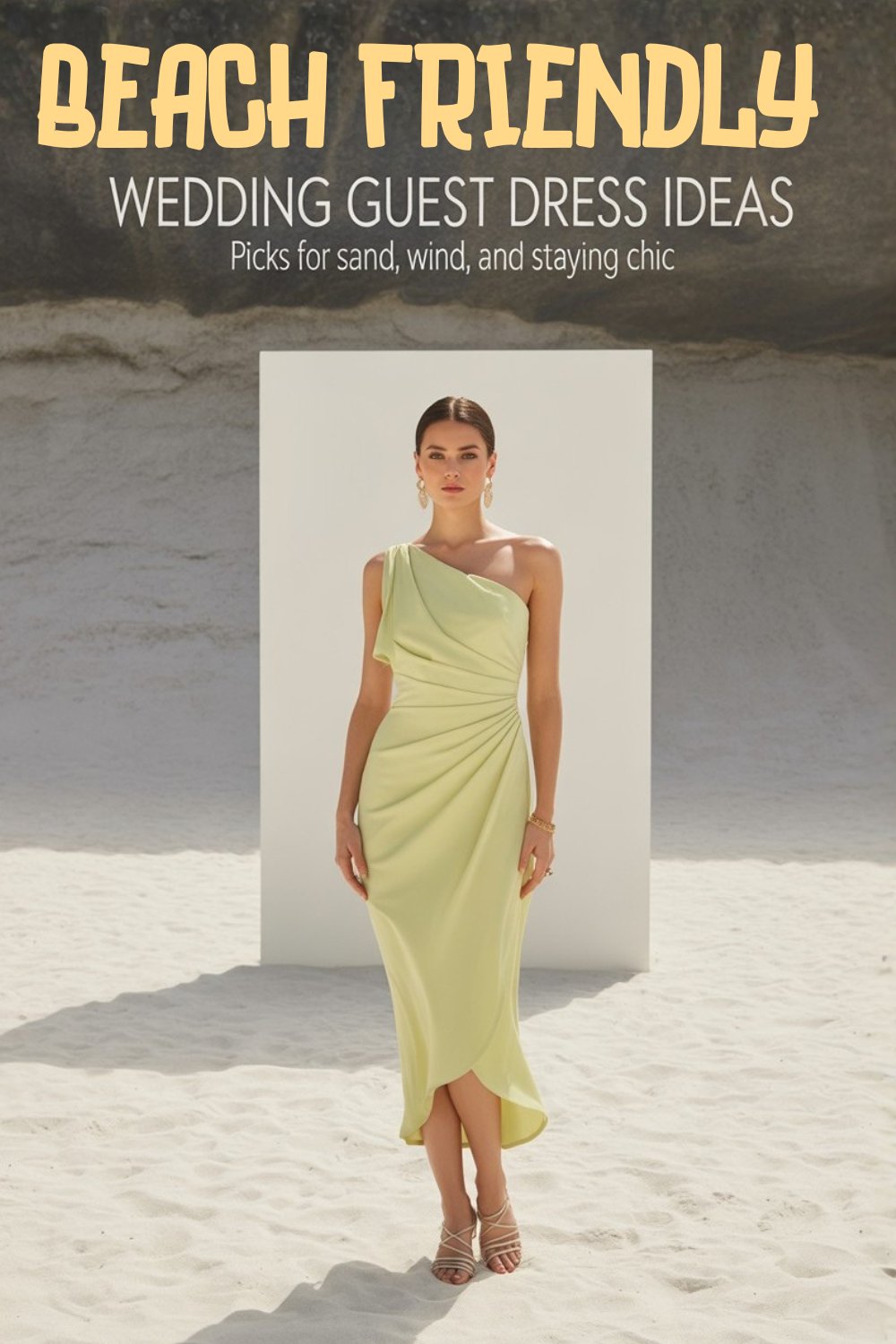
Beach weddings look effortlessly romantic until the wind picks up and the sand gets involved. The beach guide covers which fabrics and silhouettes actually survive an outdoor coastal ceremony, what to skip if you’d rather not spend the reception chasing your hem, and how to stay polished when the venue is working against you.
See our Beach Wedding Guest Dress guide →
Garden Wedding Guest Dresses
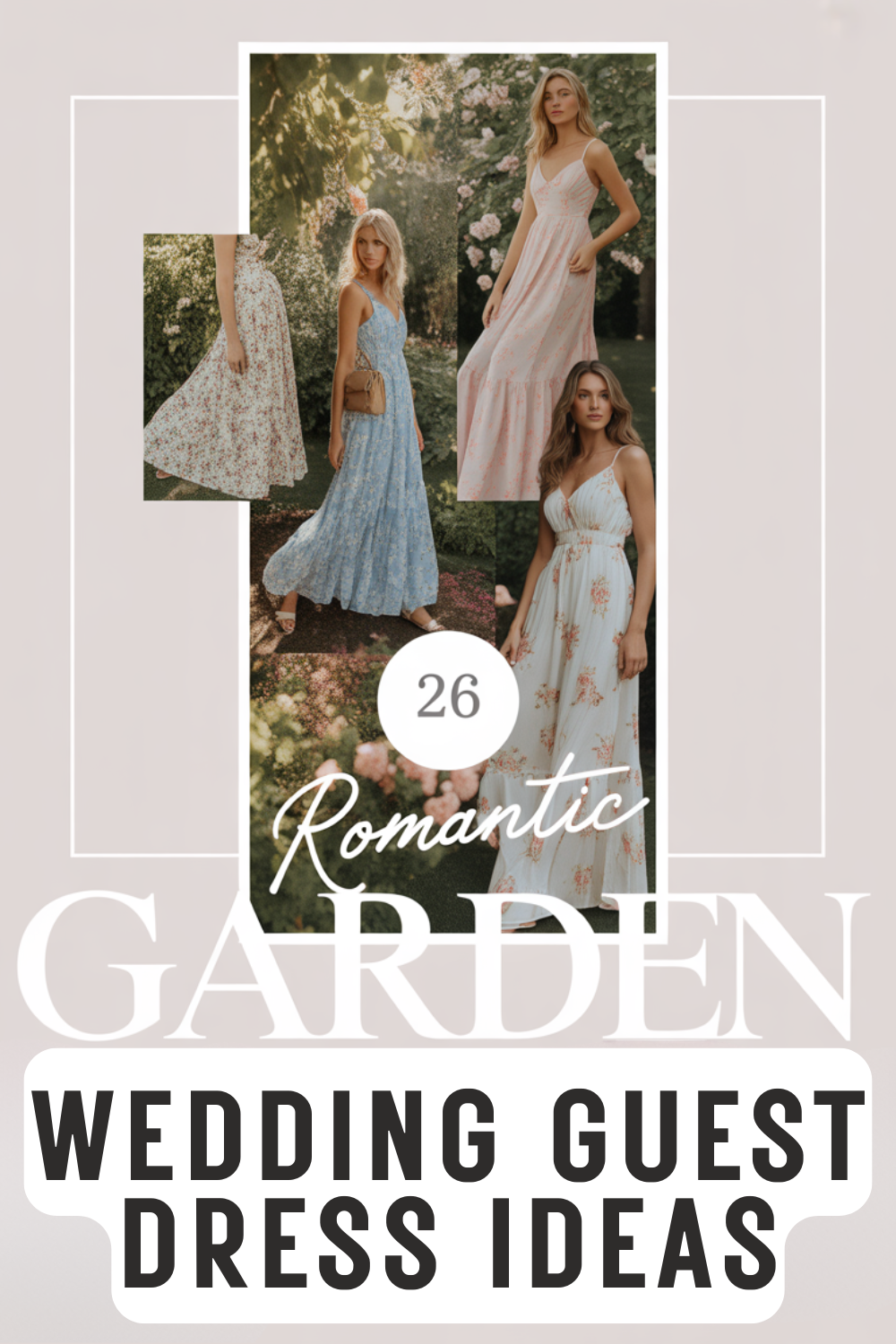
Garden weddings involve midday sun, uneven grass, rogue gusts, and the very real possibility that your heels will sink the moment you step onto the lawn. The garden guide breaks down silhouettes and fabrics that look great in outdoor photos, hold up through a full reception, and won’t leave you miserable before the toasts are finished.
See our Garden Wedding Guest Dress guide →
Wedding Guest Dresses by Color
Color choice at a wedding comes with its own unwritten rules. Some colors are universally easy, some require knowing your shade, and a few need a little more thought depending on the dress code and venue. These guides take the guesswork out of each one.
Black Wedding Guest Dresses
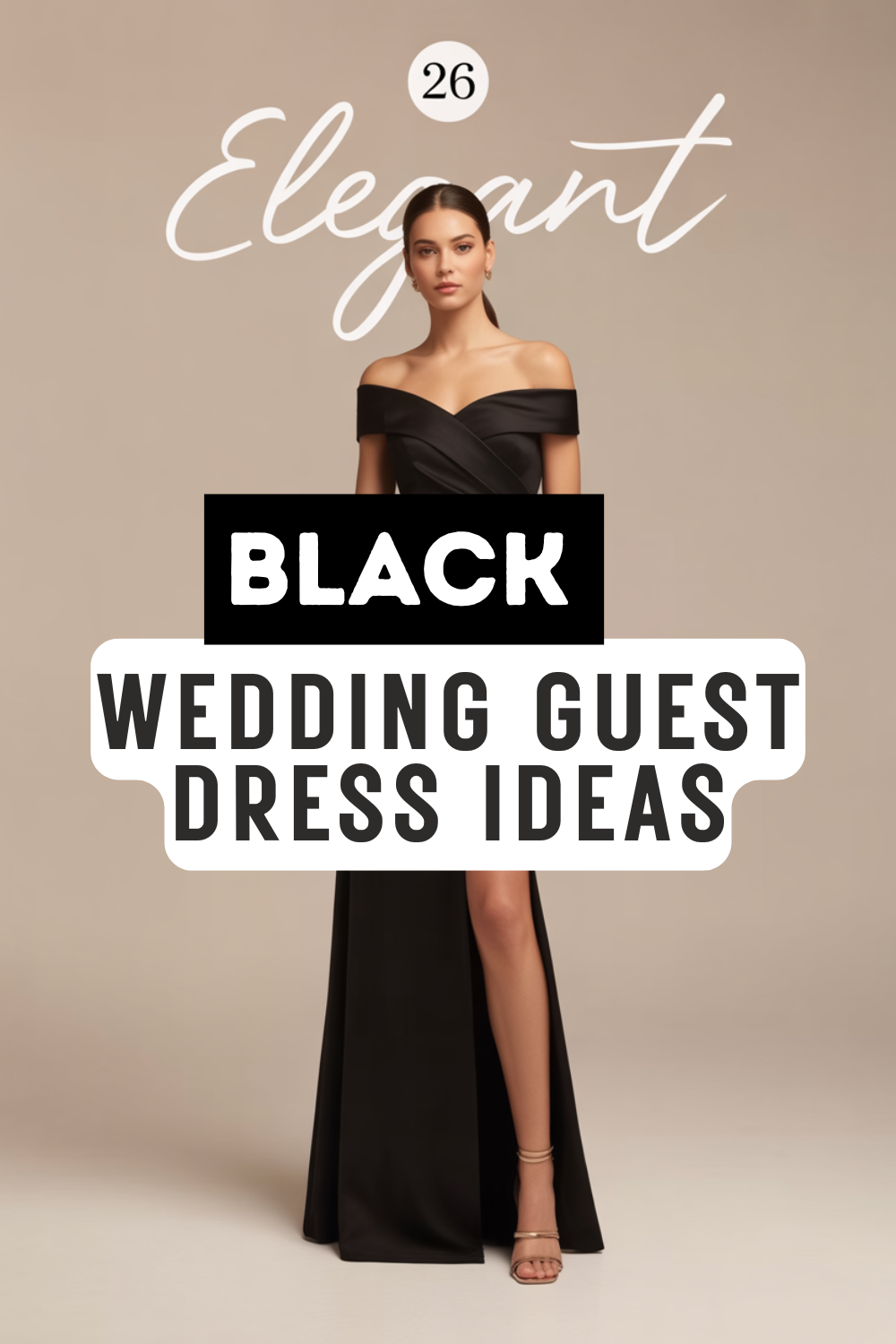
Black is the most versatile color in most closets and also the most debated at weddings. The short answer is that it works. The longer answer involves fabric and silhouette, which matter far more than the color itself when it comes to reading correctly for the occasion. The black guide cuts through the noise and shows you exactly how to wear it at every dress code.
See our Black Wedding Guest Dress guide →
Blue Wedding Guest Dresses
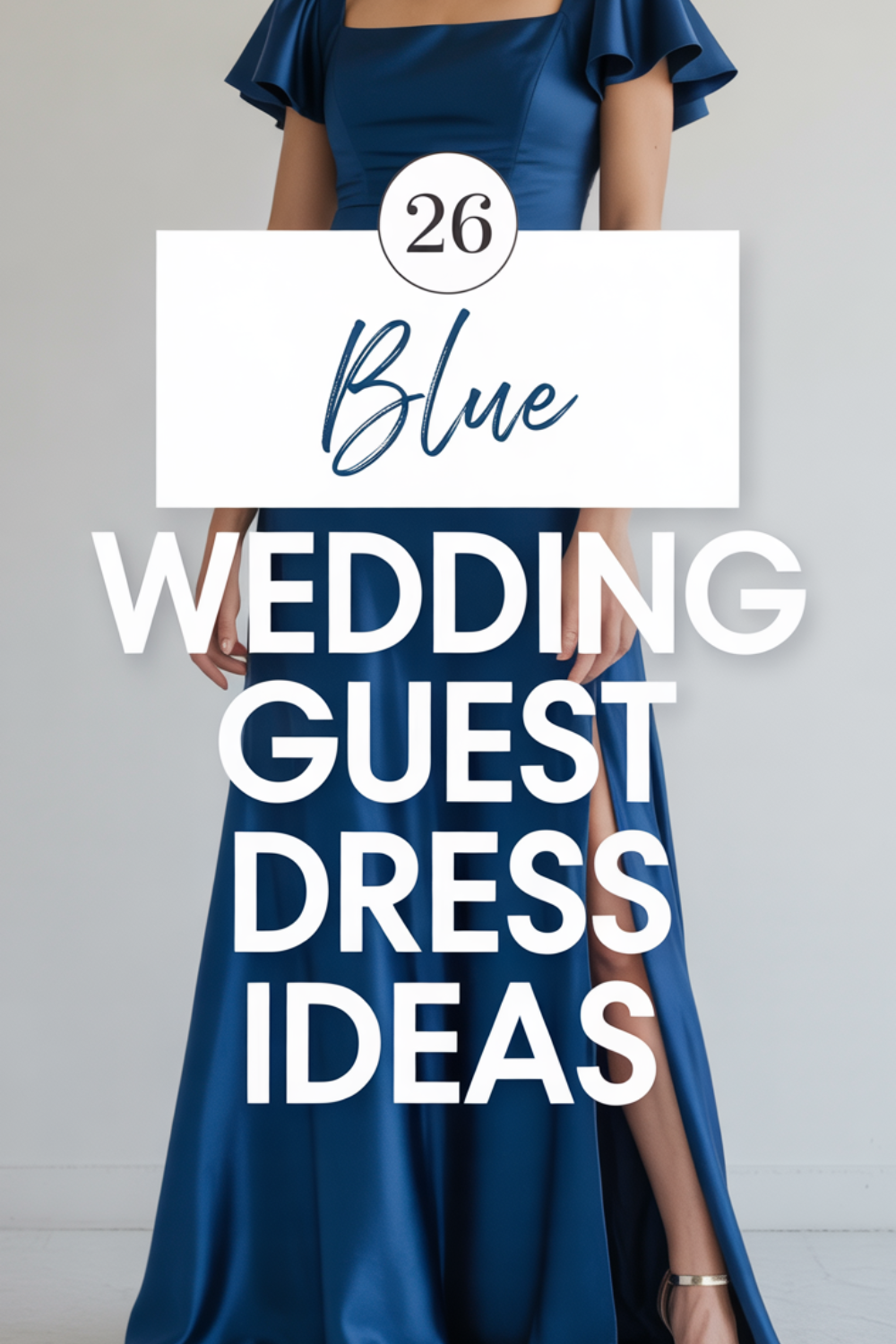
Blue is one of the most universally flattering colors to wear to a wedding, but shade determines everything. Deep navy in structured fabric reads black tie. Light blue chiffon reads garden party. The shade-by-shade blue guide helps you land in the right category for your actual event rather than guessing from a thumbnail on your phone screen.
See our Blue Wedding Guest Dress guide →
Green Wedding Guest Dresses
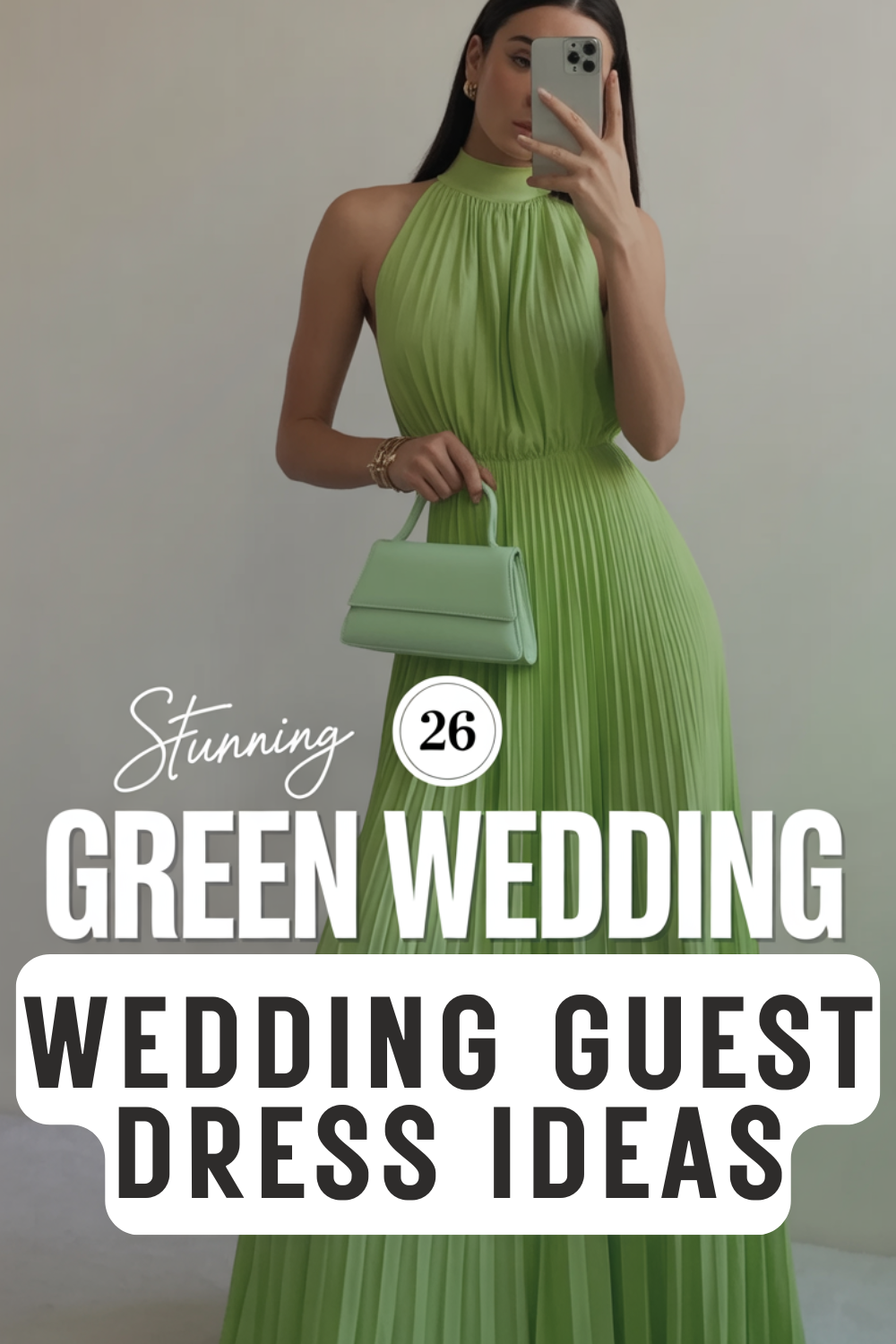
Green has a distinct advantage over most other wedding guest colors: it’s essentially never confused with bridal. That said, the shade you choose matters. Pale pistachio can wash out under ballroom lighting. Dark forest can feel heavy at a noon outdoor ceremony. The green guide covers how each shade behaves across different venues and dress codes so you can pick the right one with confidence.
See our Green Wedding Guest Dress guide →
Pink Wedding Guest Dresses
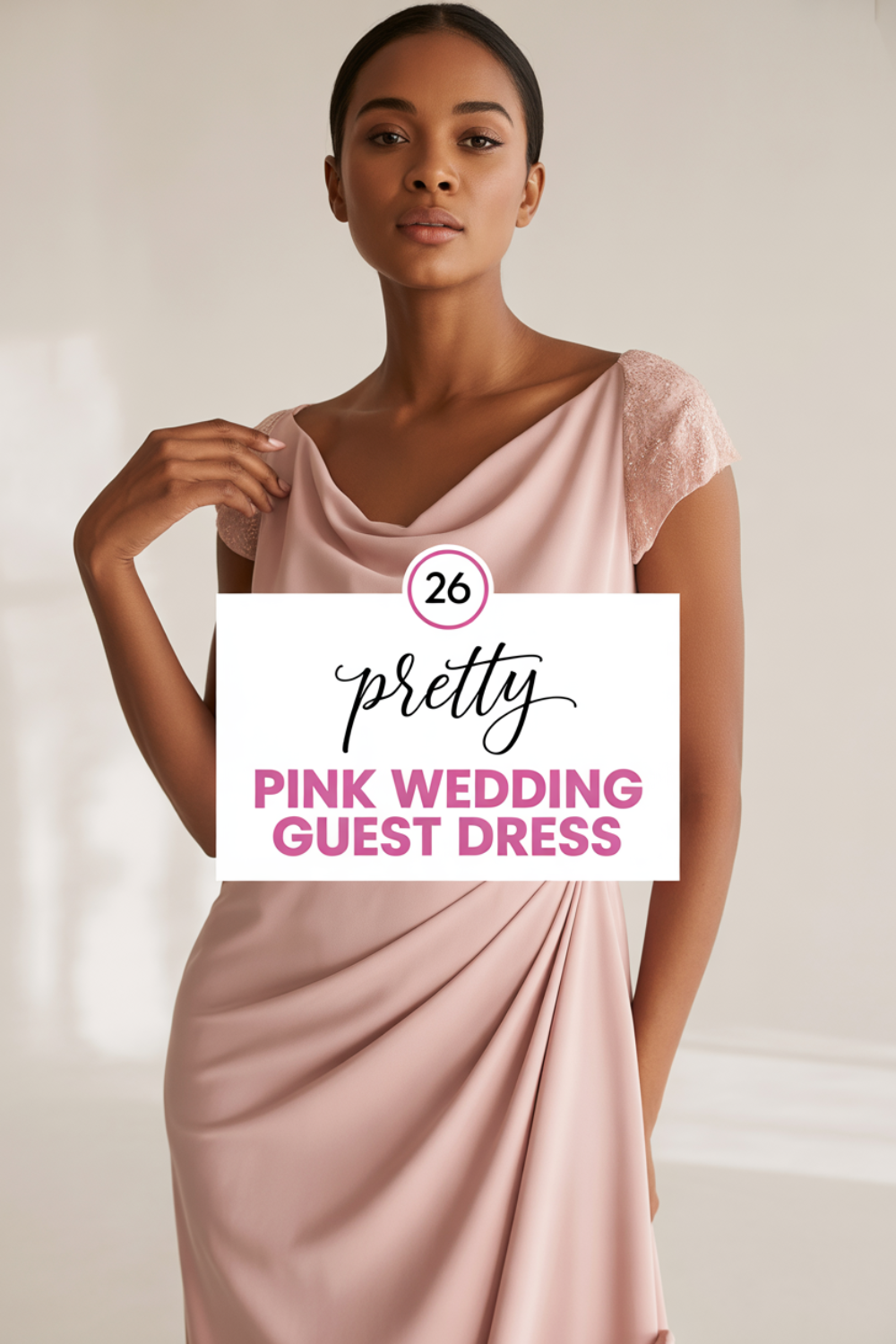
Pink at a wedding works beautifully when it reads intentional. The challenge is avoiding shades that accidentally match the bridal party. The pink guide focuses on the shades and styling approaches that look deliberate rather than coincidental, including dusty rose with structured tailoring, bold fuchsia, and floral prints that stand on their own.
See our Pink Wedding Guest Dress guide →
Plus Size Wedding Guest Dresses
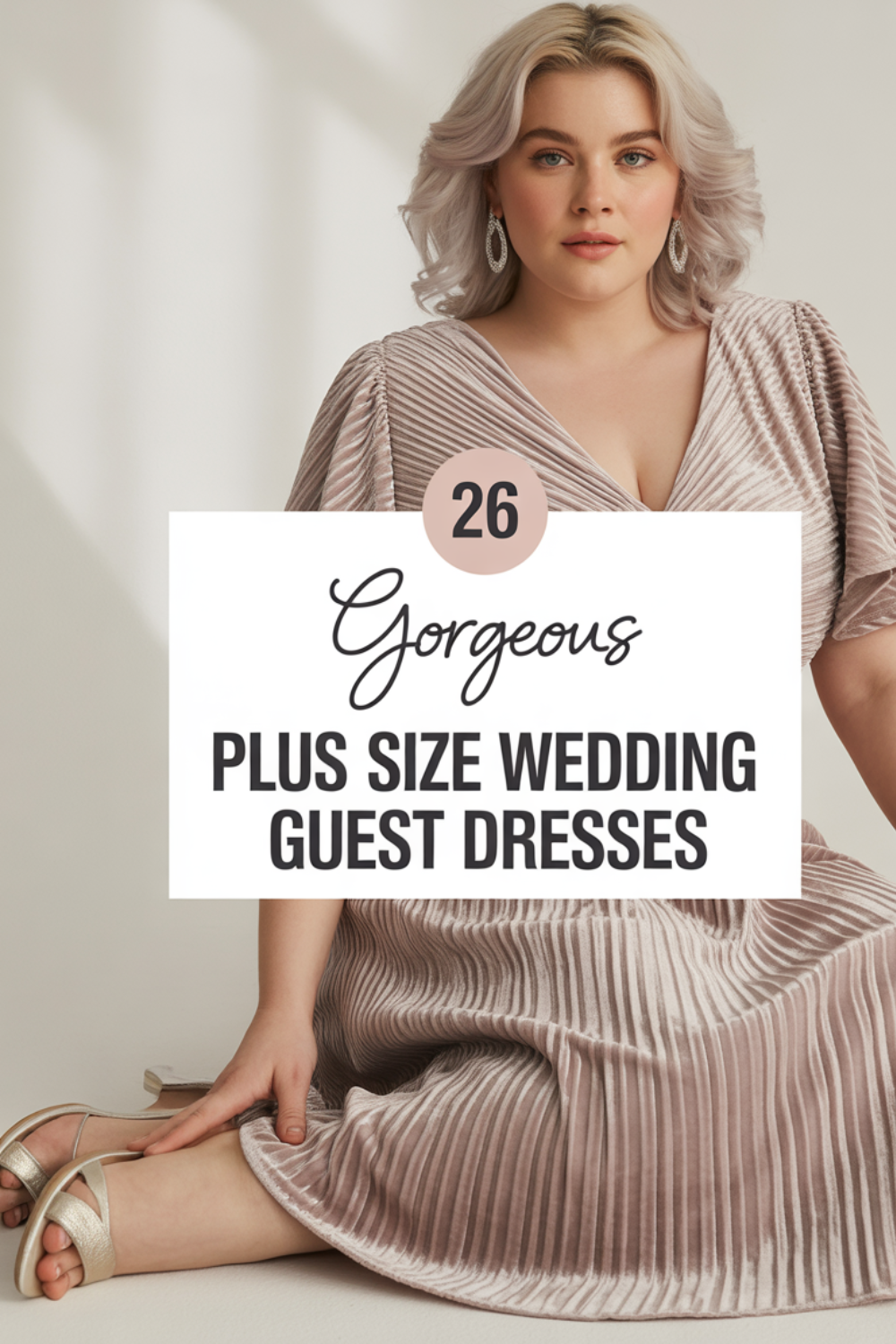
Finding a wedding guest dress that fits well, photographs well, and holds up through a full day of sitting, dancing, and cake is its own challenge. The plus size guide approaches the whole thing from a comfort-first perspective: dress codes, fabric recommendations, silhouette options, and practical details like undergarments and footwear, without losing sight of the part where you look genuinely good in every photo.
See our Plus Size Wedding Guest Dress guide →
FAQs
What is the difference between formal and black tie?
Black tie means floor-length gowns are the standard. Formal is a step down: cocktail-length to floor-length both work, but the fabric and silhouette should still feel polished. If the invitation says formal, think structured fabrics, a modest neckline, and heels over flats. If it says black tie, go longer and lean into elevated fabrics like crepe, satin, or chiffon.
Can I wear black to a wedding?
Yes. Black is appropriate at most weddings and works across dress codes when the silhouette and fabric match the formality level. A structured black gown reads black tie. A black midi dress in a floral print reads garden party. The color is almost never the problem. If you’re uncertain, look at the venue and time of day and let those inform the silhouette and fabric choice.
What should I wear to a beach wedding?
Skip anything that will fly, cling, or collect sand. Lightweight fabrics like chiffon, georgette, and jersey move with the breeze rather than against it. Midi lengths are easier to manage than floor-length on sand or uneven terrain. Wedge heels or flat sandals work better than stilettos at almost every beach venue. Structured silhouettes will fight the wind. Relaxed, flowing ones won’t.
What do I wear if the invitation doesn’t list a dress code?
Look at the venue. A ballroom or estate suggests formal or cocktail. A backyard or park suggests casual to cocktail. Evening ceremonies generally call for more dressed-up than daytime ones. When genuinely unsure, lean slightly more formal than you think the occasion requires. Being a little overdressed is far easier to manage than showing up underdressed.
Is it okay to wear color to a wedding?
Yes. The general guidance is to avoid white, ivory, and very light champagne shades that could be confused with bridal. Beyond that, color is genuinely your friend as a wedding guest. It photographs well, it’s memorable, and it gives you far more styling options than staying strictly neutral. Blues, greens, and pinks are especially reliable choices across a wide range of venues and dress codes.