
The Most Overlooked Wedding Registry Ideas (And the Must-Haves Everyone Forgets)
You’re engaged! You said yes! And now someone — your mom, your FMIL, your most organized bridesmaid — has gently mentioned that you need to build a registry. Like, soon.
No pressure, but also: a little pressure.
Because a registry done wrong means twelve picture frames you didn’t ask for and zero of the things you actually need. We’ve been there (or heard about it in vivid, traumatizing detail), and we’re here to make sure it doesn’t happen to you.
Consider this your wedding registry ideas playbook — the strategy behind what to add, how to price it, and how to make the whole thing work for your guests without making you want to throw the scanner gun across the store.

1. The “Safety Net” Master Inventory
This article walks you through everything you need to build a registry that actually works — strategy, pricing, the overlooked stuff, all of it. But even the most thorough guide can miss an item or two, so we also tucked a complete room-by-room inventory into a downloadable PDF. Think of it as your final sanity check before your registry goes live — the thing that keeps you from waking up six months post-wedding with twelve crystal vases and no toaster.
- Kitchen gadgets and “unsexy” cleaning tools
- High-thread-count bed and bath linens
- Hosting must-haves for your first dinner party
- Rugged or sleek travel gear
How to use it? Do your home audit first (more on that next), then run through the PDF as a final sanity check before your registry goes live. It’s the thing that keeps you from waking up six months post-wedding with twelve crystal vases and no toaster.
[Download the Master Registry PDF Here]
2. The Great Home Audit: Keep, Replace, Upgrade
Why do some couples register for a high-tech sous vide machine but still dry their hands on crusty towels from college? Classic mistake. Before you scan a single barcode, do a ruthless three-bucket audit of what you already own:
- Keep: High-quality items that actually work.
- Replace: Daily essentials that have seen better days.
- Upgrade: Buy-it-for-life pieces you’ll use weekly.
Your “Replace” pile is your priority list — scratched non-stick pans, flimsy steak knives, graying scratchy towels. Your “Upgrade” targets are the things worth splurging on: a professional-grade stand mixer, a cast-iron skillet that outlives you. Struggling to decide? Use this micro-rule: if you can’t name exactly when you’ll use it, it doesn’t belong on the list. Nobody needs a pasta maker they’ve never touched.
Wedding Registry And Gratitude Tracker
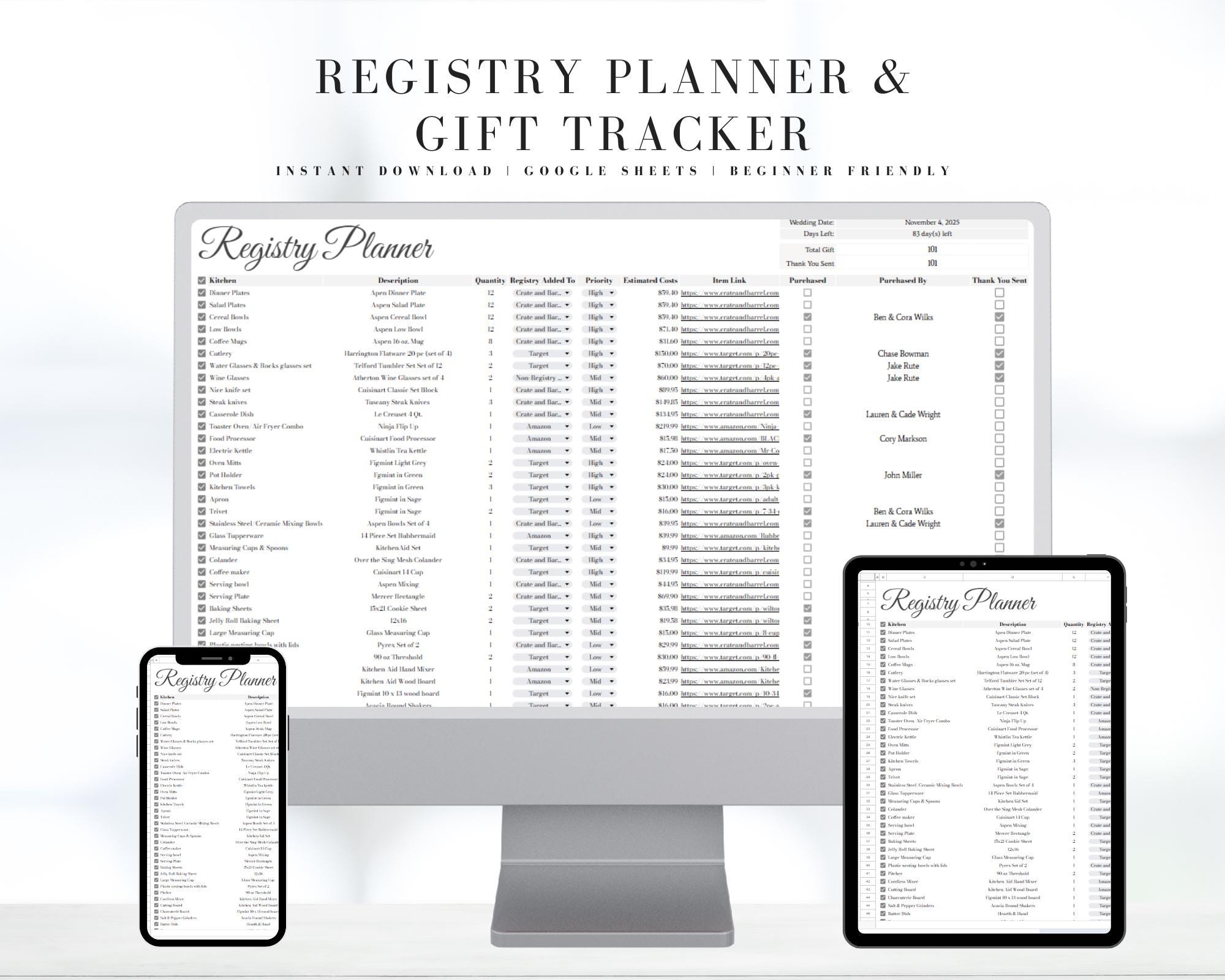
3. The Price Point Ladder: Don’t Scare Away Your Guests
Ever wonder why some registries get completely cleared while others gather digital dust? It usually isn’t your style — it’s the math. A sea of triple-digit price tags forces guests to choose between an overpriced candle or just handing over cash. Build a price point ladder so everyone from your broke college cousin to wealthy Great Aunt Martha finds something that fits their budget and feels meaningful.
- Under $25: The “boring but necessary” tier. Spatulas, whisks, high-quality dish towels.
- $25–$75: The sweet spot for coworkers and distant relatives.
- $75–$150: Ideal for your close friend group.
- $150–$300: The “favorite aunt” category.
- $300+: Reserve for 2–5 big-ticket items to allow for group gifting.
If your lower tiers are empty, guests will default to cash or — worse — go off-registry. Check your spread before you go live.
Complete Wedding Registry Checklist
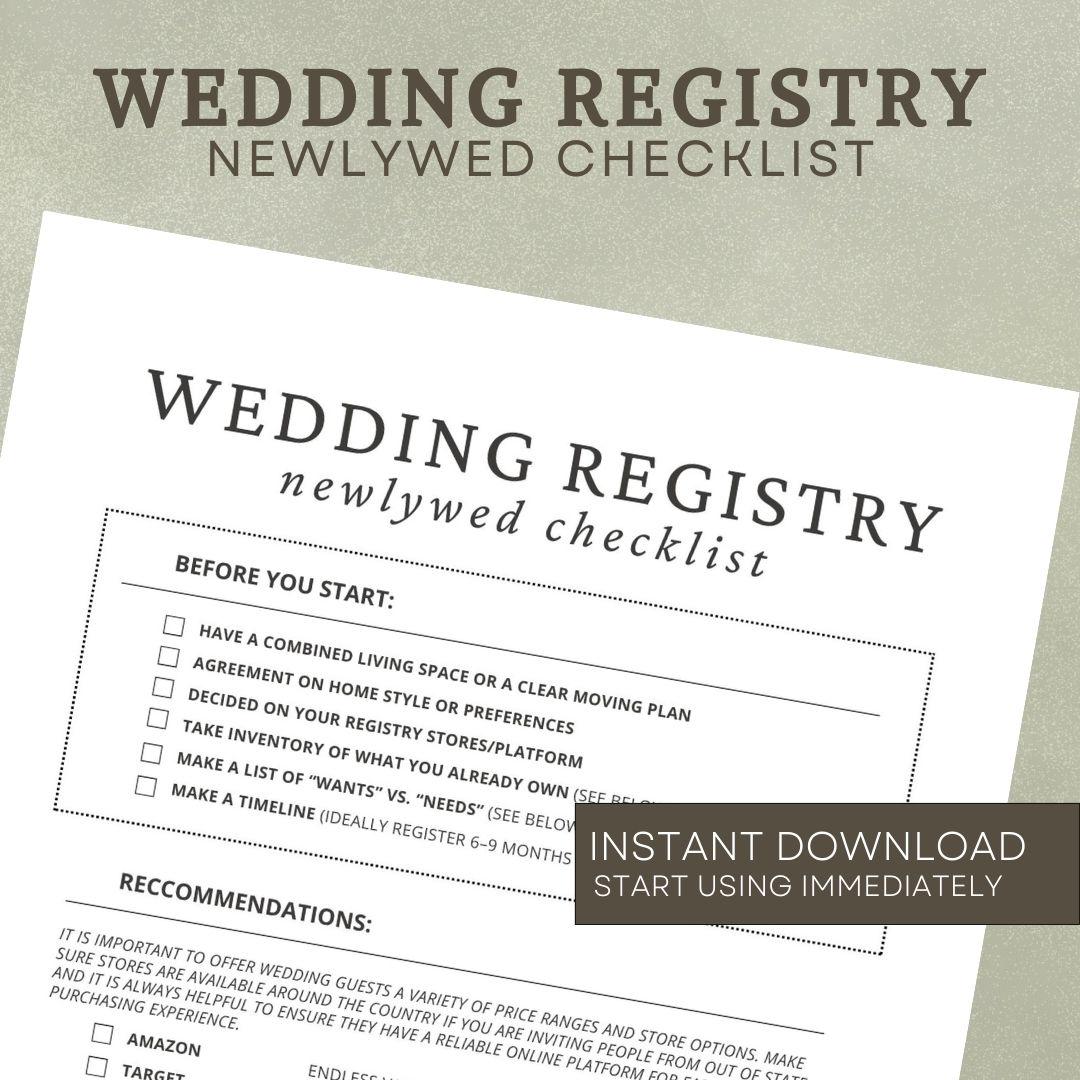
4. The Cash Fund: How to Ask Without the Cringe
Worried that asking for cash makes you look grabby? Don’t be. Most couples live together long before the “I dos,” and your apartment definitely doesn’t need a third air fryer. A cash fund is often the smartest, most practical wedding registry idea you can add — as long as you do it right.
How will your guests pay?
The biggest hurdle is logistics. Many couples use Venmo or PayPal to dodge the 3% processing fees, but that adds an extra step for less tech-savvy guests who prefer a traditional checkout. Decide which friction you can live with.
Kill the “Cash Grab” Vibe
To make it feel personal, get specific. Nobody wants to contribute to a generic black hole of money. Break your goal into bite-sized experiences guests can actually visualize:
- Sunset margaritas in Maui
- Subway tile for a guest bathroom renovation
- A “New Puppy” training class fund
Add a friendly sentence of context on your wedding site: “We’re lucky to have a home full of essentials, so we’ve created a fund to help us build our future together.” Warm, specific, zero cringe.
The Transparency Rule
If transaction fees exist, decide who covers them and state it clearly. It’s better to be upfront than to let a guest wonder why their $100 gift arrived as $97.10.
Editable Wedding Registry Checklist
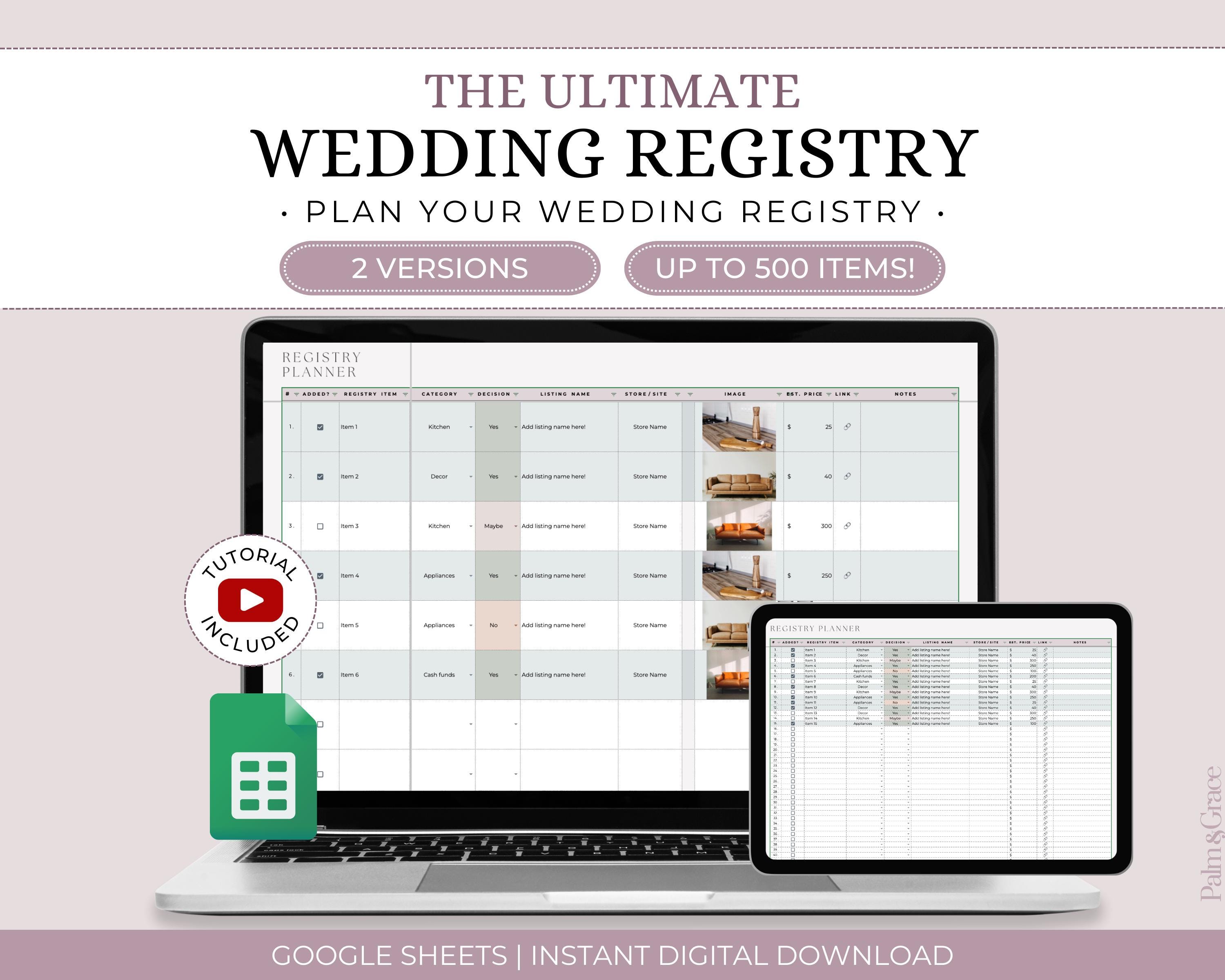
5. The Registry Completion Discount: It’s Not a Free-for-All
The promise of “15% off your entire registry” is one of the biggest myths in the wedding world. While it sounds like a post-wedding victory lap, the fine print is usually lurking to kill the vibe. One Reddit bride shared her heartbreak after waiting until the last minute to snag a $600 espresso machine, only to discover the discount didn’t apply because a third-party seller fulfilled the order. Caffeinated devastation.
Run through this four-point checklist before you start counting your savings:
- The Seller Rule: Does the item say “Ships from and Sold by Amazon”? Third-party sellers are almost always excluded.
- The Spend Threshold: Check if guests need to hit a minimum purchase before your discount even activates.
- The Timing Window: Most perks trigger 60 days before your date and vanish 90 days after you say “I do.”
- Usage Limits: Is this a single-use code or can you place multiple orders? One massive haul is safer than assuming you can shop twice.
Check out Love & Lavender’s Amazon wedding registry review for a deeper look at platform-specific quirks. And keep a “discount-eligible” shortlist separate from your main registry so your budget stays on track.
6. How Many Registries Is Too Many? The Rule of Three
Listing three different stores does not make you look like a gift-hungry mogul. A single registry rarely covers all the bases, which is why most pros recommend the Goldilocks zone of one to three registries. The logic? Balancing function with flair. Use one big-box retailer for fast shipping on everyday essentials, then add a curated boutique for the pieces that actually match your style.
When linking these on your wedding website, use simple labels to guide guests:
- The Essentials: For everyday items and quick shipping.
- The Wishlist: For heirloom pieces and design-heavy decor.
- The Adventure: For honeymoon or experience funds.
Whatever you do, stop at three. Five stores means scroll fatigue, and scroll fatigue means Great Aunt Joan buys you a random crystal bowl you did not ask for. The Rule of Three keeps everyone happy — including you.
7. Group Gifting: The Art of the Big Ask
Why do the best registry items always stay unbought? Pure sticker shock. Your guests want to give you something you’ll love, but nobody wants to foot the bill for a $1,200 sofa alone. Group gifting turns those big-ticket upgrades into a team sport — and it’s the best way to snag the items that would otherwise sit in your cart forever.
Use this feature for your most ambitious picks:
- Professional-grade cookware sets
- High-end vacuums or patio furniture
- Luxury mattress upgrades or velvet sofas
Limit your group gifts to a handful of statement pieces — if every third item is a $600 ask, your registry starts to feel chaotic rather than curated. Keep it classy with a quick note for your guests: “We’re so excited to upgrade our home together! Feel free to chip in any amount toward these larger pieces. There is absolutely zero pressure.”
8. The “Un-Sexy” Glow-Up: Registry Items You’ll Actually Use
Romance is great, but true domestic bliss is not stubbing your toe on a wobbly ladder at 2am because you never registered for a proper one. These wedding registry ideas aren’t glamorous, but they are the functional backbone of your new life together — the adulting essentials that keep your household from descending into chaos:
- Fireproof safe: Secure your marriage license, passports, and house deeds in one spot.
- Tool kit + ladder: You will need more than a butter knife to hang that gallery wall.
- Quality trash can: Invest in odor-trapping tech and a soft-close lid.
- Surge protectors: Build a charging station so you stop fighting over the kitchen outlet.
- Closet & pantry organizers: Digging for spices or wrestling wire hangers is a total vibe killer.
- Document folder: Keep tax returns and warranties from becoming a paper mountain.
These items won’t win beauty contests in your photos, but they prevent the tiny irritations that spark big arguments. The master PDF has the exhaustive version — download it for the complete guide to a functional home.
9. The Digital Nomad Duo: Home Office Upgrades
Why are we still registering for 12-piece formal dining sets when we eat lunch hunched over a laptop? You might use a fancy gravy boat once a year, but you probably sit at your desk for forty hours a week. If you share a workspace, home office gear is one of the smartest things you can add — improving your ergonomics is basically a romantic gesture for your future health.
Consider these registry-friendly upgrades:
- Ergonomic chair: Set this as a group gift. Your lower back deserves a luxury throne.
- Monitor and mounting arm: Reclaim desk space and save your neck from the laptop slouch.
- Task lighting: A high-quality desk lamp prevents eye strain during late-night deadlines.
- Cable management: A sleek charging dock to stop the cord spaghetti.
- Shared hardware: A reliable printer or heavy-duty paper shredder.
Before adding gadgets, ask yourselves one question: will this reduce daily friction for at least one of us? If yes, it belongs on the list.
10. The Small-Space Rule: High-Value, Low-Footprint
Every item on your list must earn its rent. If a gadget needs a dedicated cabinet, you’d better use it daily. The key is focusing on space-saving MVPs that punch above their weight:
- Nesting sets: Mixing bowls and measuring cups that stack perfectly.
- Wall-mounted magic: Magnetic knife strips and sleek wall hooks.
- Collapsible gear: Silicone colanders and folding laundry baskets.
- Slim organizers: Tiered shelves that utilize vertical height.
Skip the single-use gadgets. Do you really need a specialized quesadilla maker? Probably not. The ultimate sanity test: “Where will this live?” If you can’t name the specific shelf or drawer, don’t add it. Your future self will thank you for not having to play Tetris with the Tupperware every time you want a snack.
11. The Sustainable Registry: Buy Fewer, Buy Better
Sustainability isn’t just about hemp towels — it’s about intentional consumption. Why register for five mediocre pans when one professional-grade skillet will outlive your mortgage? The “buy fewer, buy better” strategy lets your registry align with your values while staying genuinely practical.
Try these intentional picks:
- Replace-to-Upgrade: Swap your “good enough” items for durable, heirloom versions.
- Maintenance Funds: Request practical services like professional knife sharpening or upholstery cleaning.
- Experience Gifts: Museum memberships or cooking classes take up zero shelf space.
- Charity Donations: If you already have everything, suggest a donation to your favorite cause.
Offer three clear choices to keep guests from getting decision paralysis: one durable essential, one experience, and one fund. They feel like heroes for buying the “right” thing. You get the quality you actually want. Win-win.
12. The Global Registry Glitch: Saving Your International Guests
Your favorite cousin in London isn’t skipping your registry because they’re stingy. They likely hit a $70 shipping fee or a scary customs warning that killed their checkout momentum. Shipping a heavy stand mixer across an ocean is a logistical nightmare — between currency conversion math and surprise import taxes, global guests often feel like they’re paying for the gift twice.
Help them out with these tactical pivots:
- The Experience Pivot: Add a digital honeymoon fund. Cash doesn’t get stuck in customs or require three layers of bubble wrap.
- Go Universal: Use platforms that support localized versions of major retailers, so guests can pay in their own currency at local shipping rates.
- Address Clarity: Tell guests exactly where to ship. If you live abroad, suggest a parent’s permanent address to avoid international shipping headaches later.
Add a quick FAQ line on your wedding website: “Living abroad? Our digital fund is the easiest way to skip the shipping drama!”
How to Build Your Wedding Registry: A 6-Step Execution Plan
Ready to actually do this thing? Here’s your tactical roadmap — fast, clear, no scanner-gun-throwing required.
Step 1: Perform Your Home Audit
Walk every room before you scan a single barcode. Apply the Keep, Replace, Upgrade framework, then use the Master Registry PDF as your final sanity check so you don’t forget the unsexy essentials.
Step 2: Select Your Platforms
Stick to the Rule of Three. One major retailer for fast shipping, one or two boutiques for your personal style. If Amazon is on your list, check our internal review first to navigate the completion discount fine print.
Step 3: Balance Your Price Ladder
Aim for a pyramid: a wide base of affordable items ($25–$75) and a few high-end group gift items at the peak. If your lower tiers are empty, guests will go rogue.
Step 4: Add Intentional Cash Funds
Give your fund a personality — “Subway Tiles for the Guest Bath” beats “New Home Fund” every time. Mention any processing fees clearly so there are no surprises at checkout.
Step 5: Publish With Etiquette
Registry links live on your wedding website, never on your formal invitations. Add a brief Gifts FAQ to explain your shipping preferences and cash fund goals — your guests will appreciate the guidance.
Step 6: Manage the Aftermath
Once the boxes start arriving, keep a running spreadsheet of names, items, and addresses so thank-you notes don’t become a nightmare. Set a duplicate policy now (exchange or keep?), and write five thank-you notes every Sunday rather than facing a post-wedding marathon.
Wedding Registry FAQs
Still have questions? We’ve got you.
Is it tacky to ask for cash or to have a fund if you already live together?
Absolutely not — and honestly, most guests are relieved. Modern couples usually have the basics covered, and your small apartment definitely doesn’t need a third air fryer. To keep it classy, get specific about where the money is going. “Honeymoon Margaritas” or “The Kitchen Reno Fund” feels like buying you an experience, not just funding your bills. A little context goes a long way. And if your shelves are truly full, pivot to experiences like wine tastings or annual park passes — they take up zero floor space and create lasting memories.
Where should registry info go?
On your wedding website, and nowhere near your formal invitations. Including registry links on an invite is still a major etiquette no-no. Think of your website as the central hub for all the tactical details, and let your bridal party handle word-of-mouth for guests who prefer a phone call over a URL.
How many items should be on a wedding registry?
Aim for a surplus — roughly two items for every household on your guest list. You want enough variety that the last person to shop isn’t stuck choosing between a $500 blender and a $5 whisk. Make sure your price ladder is well-stocked, and if your list looks thin, guests will default to cash or go completely off-script.
What if all the affordable items get bought early?
Check your links weekly and top up the $25–$75 tier as items sell out. If you’re tired of picking out physical goods, enable group gifting on your big-ticket items or point latecomers toward your cash fund. It’s a pressure-release valve for their wallets and your stress levels.