Material sets the whole mood. A raw wood log reads backyard and cozy, a polished silver pedestal reads black-tie, and clear glass disappears so the cake seems to float. Height and width matter too: too small and the cake looks like it might topple, too tall and your topper is fighting the tent.
So whether you’re drawn to ornate metal, a humble log slice, or a crystal-trimmed showpiece, we’ve sorted our favorite wedding cake stands by what’s actually holding the cake up. First up: stands spotted on real L&L weddings and styled shoots, grouped by material. Click any link to see the full day, and scroll on for shoppable options. For even more, browse our Real Weddings directory.
Silver Wedding Cake Stands
Silver is the cake stand most people picture first, and for good reason. It throws light around the dessert table, flatters an all-white cake, and slots into nearly any palette from royal blue to soft sage. Whether you want something heavily ornate or barely-there simple, this is where the classics live.
Square Silver Sequined Stand

A square stand reads more modern than the usual round pedestal, and the sequined finish throws light around the whole dessert table. It’s a small choice that makes a tall cake look intentional instead of improvised.
See Brittany and KJ’s Tucson Wedding →
Pierced Round Silver Stand
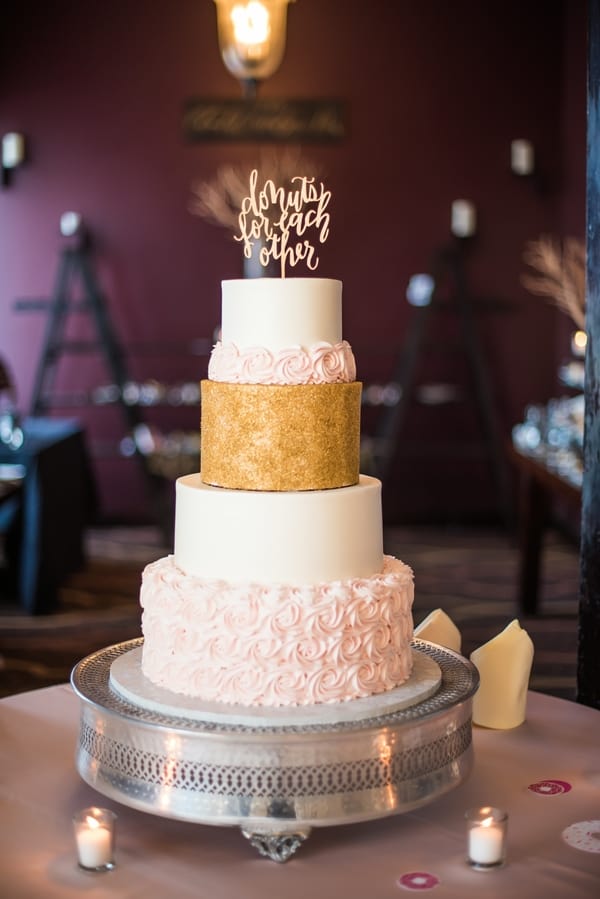
The fluted edge does the quiet work here, catching the pink and gold of the cake without competing with it. A four-tier cake needs a base this wide, otherwise the whole thing looks top-heavy.
See Julia and Tony’s New Jersey Wedding →
Polished Silver Pedestal Stand

A high-shine silver pedestal is the cleanest way to make a small cake feel like a centerpiece. The decorative base gives it a little ceremony, which suits a playful pink two-tier perfectly.
See Carol and Nan’s Hawaii Wedding →
Square Embossed Silver Stand
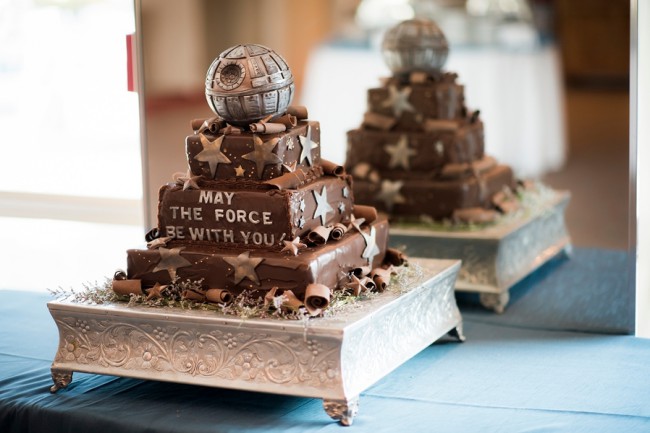
A footed square stand is an unsung hero for heavier cakes, and the embossed pattern keeps an all-chocolate cake from reading flat. The decorative feet lift it just enough to feel finished.
See Frances Marie and Nick’s Pensacola Wedding →
Silver Stand with Cut-Out Base
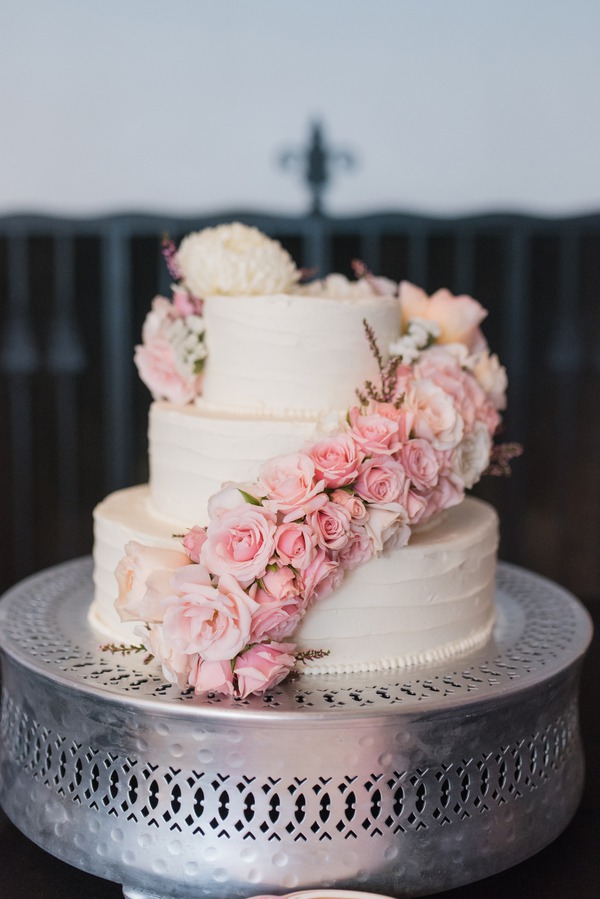
The cut-out detail around the base is the kind of thing guests notice up close, and it lets a cascade of pink roses down the cake take center stage. A patterned silver round like this reads elegant without competing with the flowers.
See Emily and Justin’s Los Poblanos Wedding →
Embossed Round Silver Stand

A wide, embossed silver round is the safe-but-never-boring choice, and it gives you room to lean a little sign against the front. Vintage weddings practically run on this stand.
See Billy and Courtney’s Virginia Wedding →
Ornate Round Silver Stand
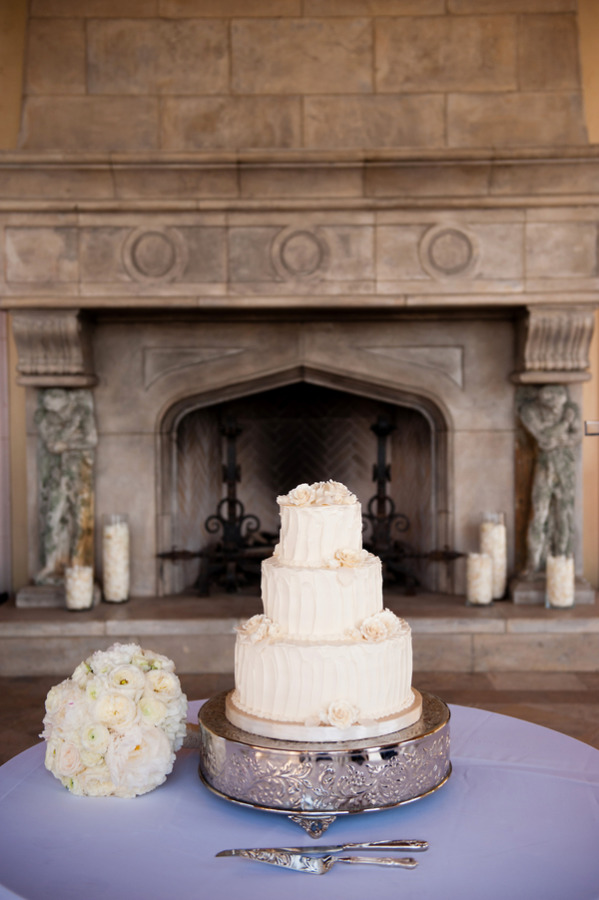
Under tent lighting, an ornate silver round practically glows. The patterned surface reads elegant from across the room, which is exactly what you want when the cake is the focal point of a long formal table.
See Amanda and Ryan’s Austin Tent Wedding →
Footed Silver Pedestal Stand
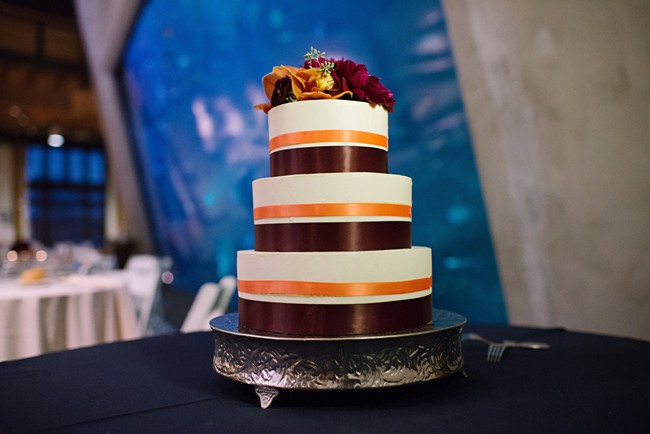
A footed silver pedestal splits the difference between fancy and fuss-free. It lifts the cake to eye level for photos without demanding a single thing from the rest of your decor.
See this Seattle Aquarium Wedding →
Carved Silver Pedestal Stand
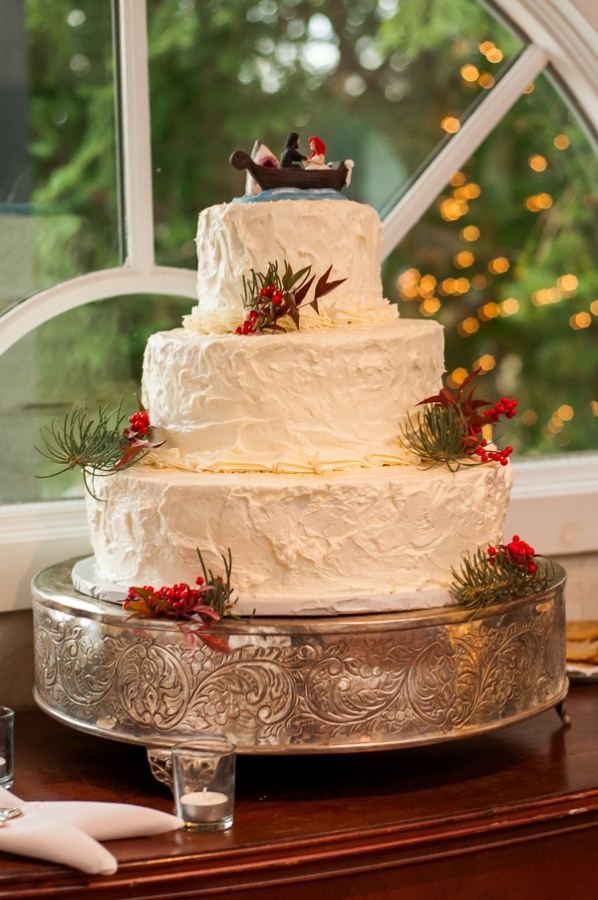
The carved detail leans formal and a little old-world, which is why it works so well for a Christmas-season cake in a historic mansion. Tuck pine or holly around the base and the stand becomes part of the centerpiece.
See Lexi and Michael’s Maryland Wedding →
Footed Rectangular Silver Stand

A rectangular footed stand is built for the serious multi-tier cake, and it leaves a little real estate at the front for figures or a monogram. Sturdy first, pretty second, which is the right order for a four-tier.
See Kelly and Steven’s Patrick Ranch Wedding →
Intricate Round Silver Stand

A patterned silver round is the classic foil for an all-white cake, giving the eye some texture without adding color. Against a cream-and-black palette it keeps everything feeling intentional.
See Megan and Paul’s Palos Verdes Wedding →
Simple Silver Rimmed Stand
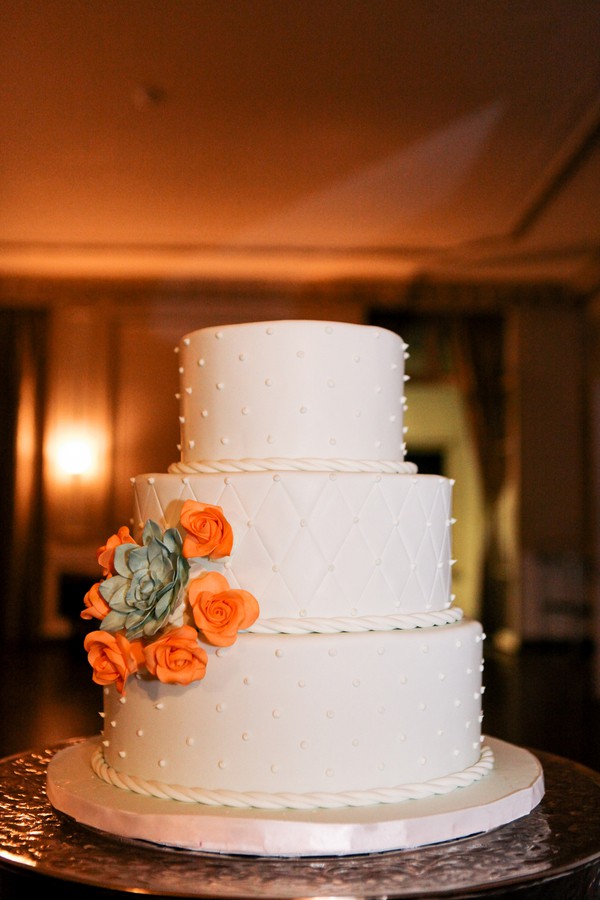
Not every silver stand has to be ornate. A simple round with a slightly raised rim is the understated pick for a historic estate where the venue is already doing the heavy lifting.
See Ann and Sal’s Alder Manor Wedding →
Tall Silver Pedestal Stand
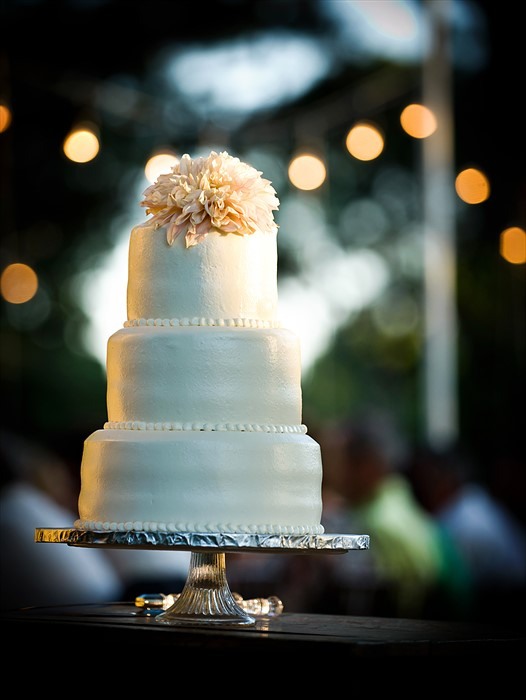
Height matters more than people think. A taller silver pedestal lifts the cake above the table clutter at an outdoor reception, so it still photographs cleanly once the toasts and glassware move in.
See this Backyard Wedding with Hanging Florals →
Silver Stand with Decorative Legs

The decorative legs give this one a vintage tea-room feel that plays nicely off a bright, unexpected palette. It proves a traditional silver stand can anchor a wedding that’s anything but traditional.
See this Lime Green Chalkboard Wedding →
Grand Ornate Silver Stand

When the cake stand is this prominent, it stops being furniture and becomes part of the design. A grand ornate silver base suits a nature-inspired, four-tier cake that’s meant to be seen.
See Molly and David’s Austin Wedding →
Gold and Metallic Wedding Cake Stands
Gold runs warmer than silver, so it tends to read romantic, glamorous, or a little Gatsby depending on the styling. It’s the natural partner for a naked cake, a metallic-accented design, or a pink-and-gold palette. A few of these even wrap greenery around the base, which is the easiest way to turn a plain pedestal into a centerpiece.
Round Gold Pedestal Stand

Gold and a naked cake are a quietly perfect pairing, warm metal against bare sponge and buttercream. The decorative edge keeps it from looking like a thrift-store find.
See Vanessa and Chance’s Downtown LA Rooftop Wedding →
Gold Pedestal with Greenery
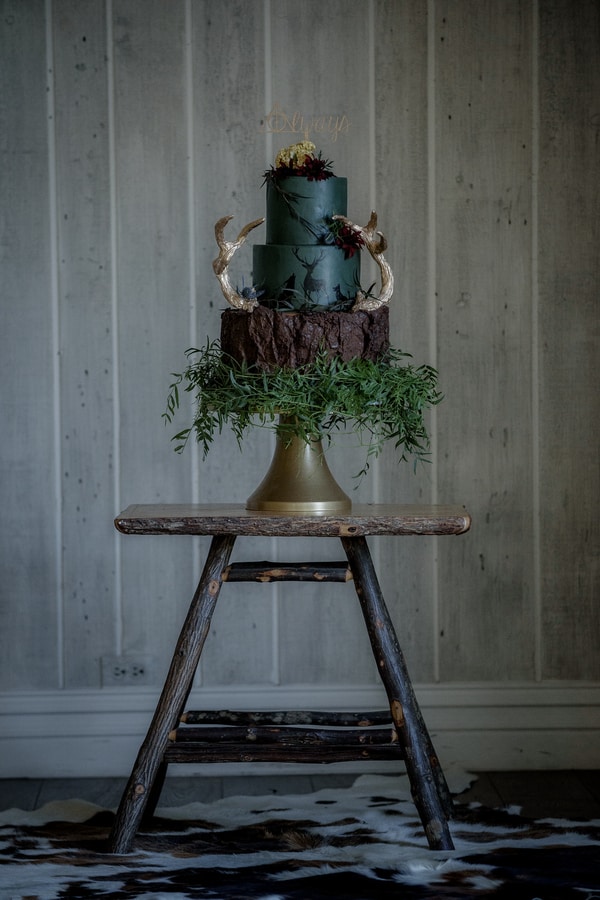
Here’s the cake-stand-as-centerpiece move done right: greenery wrapped around a gold pedestal so the base reads as lush instead of bare. It’s the easiest way to make a simple stand feel styled.
See this Harry Potter Styled Shoot →
Flat-Top Gold Pedestal Stand

A flat-top gold pedestal echoes the metallic accents on the cake itself, so the stand and the dessert feel like one designed object. Match your metals and the whole table looks more expensive than it was.
See this Mauve and Gold Styled Shoot →
Intricate Gold Pedestal Stand

Against raw exposed brick, an intricate gold stand is the warm, glamorous note that keeps an industrial space from feeling cold. This is the contrast that 1920s and Gatsby weddings live for.
See this Roaring 20s Styled Shoot →
Tall Gold Openwork Stand
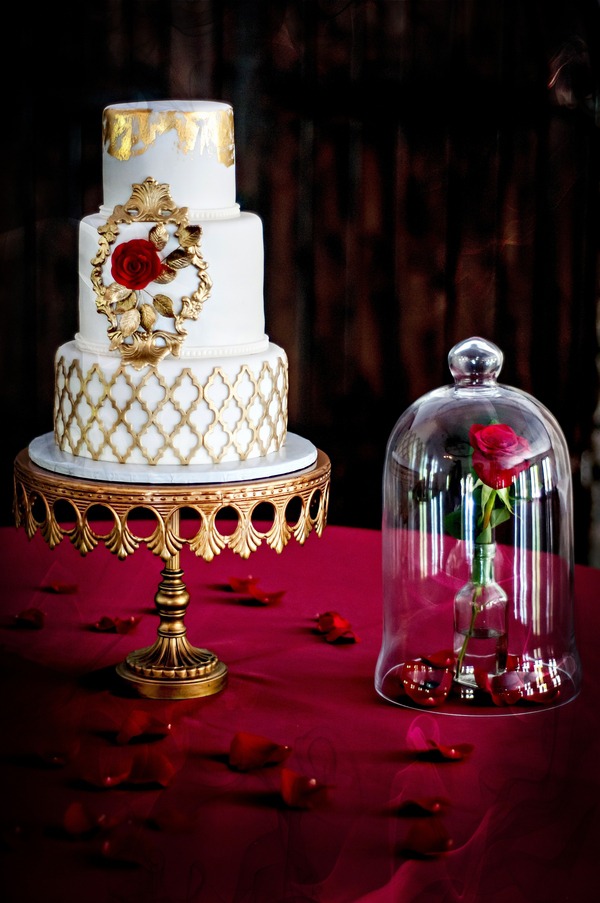
The openwork base gives this gold stand a fairy-tale, almost gilded-cage quality, fitting for a Beauty and the Beast theme. Tall and airy, it makes even a modest cake feel like the centerpiece of a castle.
See this Beauty and the Beast Styled Shoot →
Gold Stand with Ornate Legs
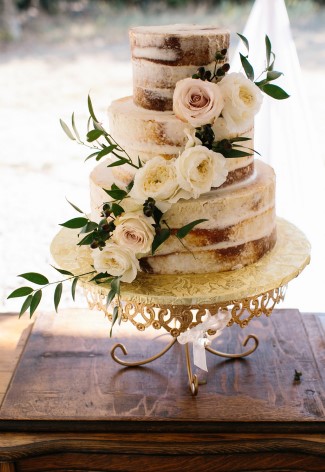
Ornate gold legs under a naked cake is the rustic-glam sweet spot, refined metal grounding something deliberately undone. It suits a green-and-gold, farm-table palette without trying too hard.
See Jillian and Andrew’s Texas Wedding →
Grand Gold Ornate Stand

In a pink-and-gold palette, a grand ornate gold round is less an accessory and more the thesis statement. It ties the cake to the mansion’s gilded details so nothing feels like an afterthought.
See this Tate House Mansion Wedding →
Footed Gold Ornate Stand
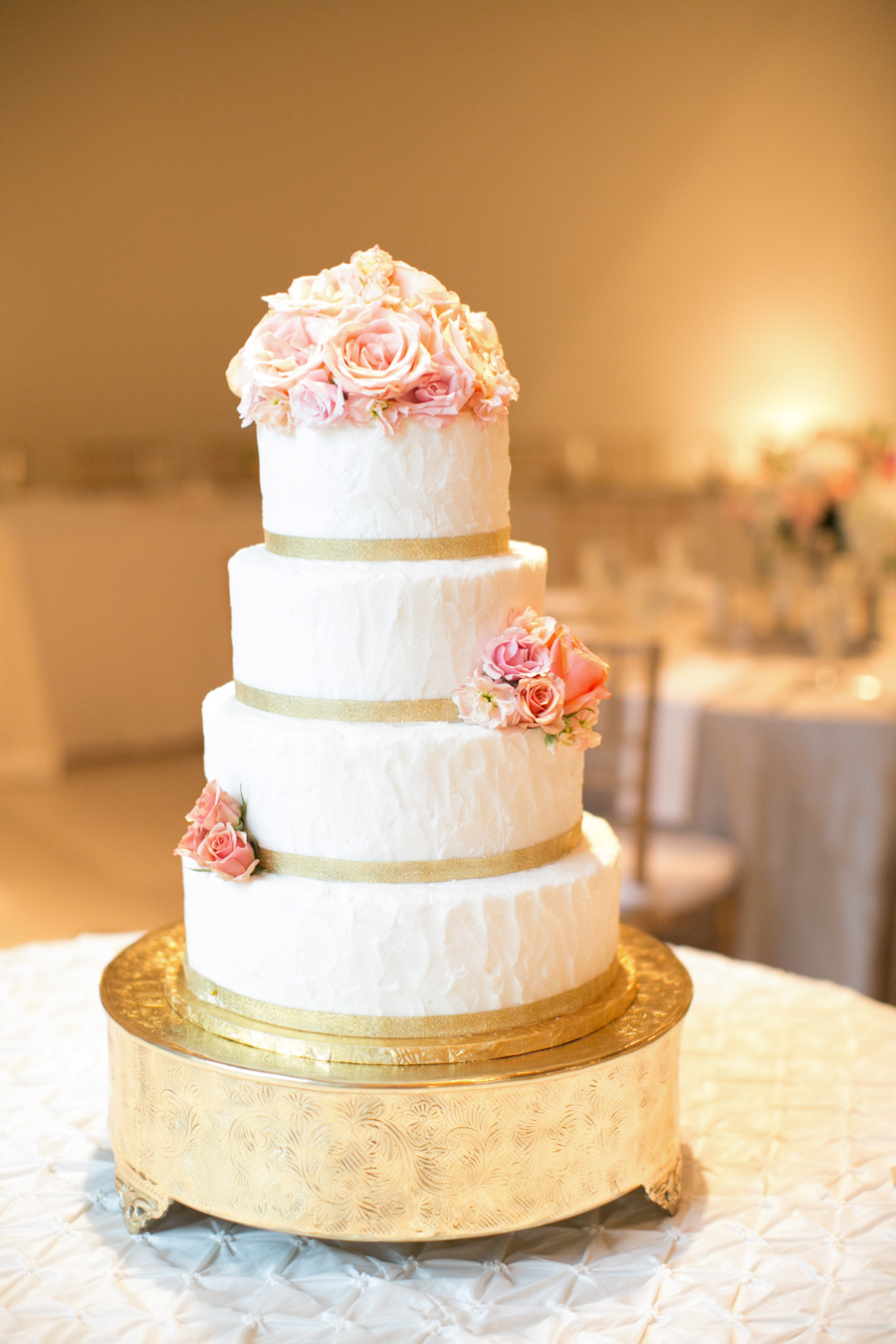
Small decorative feet give a gold round a lighter, more delicate footprint, ideal for a romantic, travel-themed celebration. It’s polished without tipping into heavy.
See this Cummer Museum Wedding →
Vintage Gold Pedestal Stand

A single-tier cake on an ornate gold pedestal is peak Art Deco glamour, all warm metal and a glittering rim. It’s a reminder that one good tier on the right stand beats four mediocre ones. The pedestal does the talking.
See this 1920s Ranch Styled Shoot →
Classic Wedding Cake Stands
When you want the cake itself to be the story, a white or soft-pastel pedestal gets out of the way. Ceramic and porcelain stands are also the budget-friendly, find-it-secondhand, use-it-forever option. Pale blue, blush, and scalloped edges add a little personality without stealing the scene.
Scalloped White Ceramic Stand

A scalloped white ceramic stand is sweetness itself, and it lets a pink cake and a pile of macarons take all the color. For a tea-party or French-inspired theme, nothing else quite reads the same.
See this Marie Antoinette Styled Shoot →
Simple White Pedestal Stand
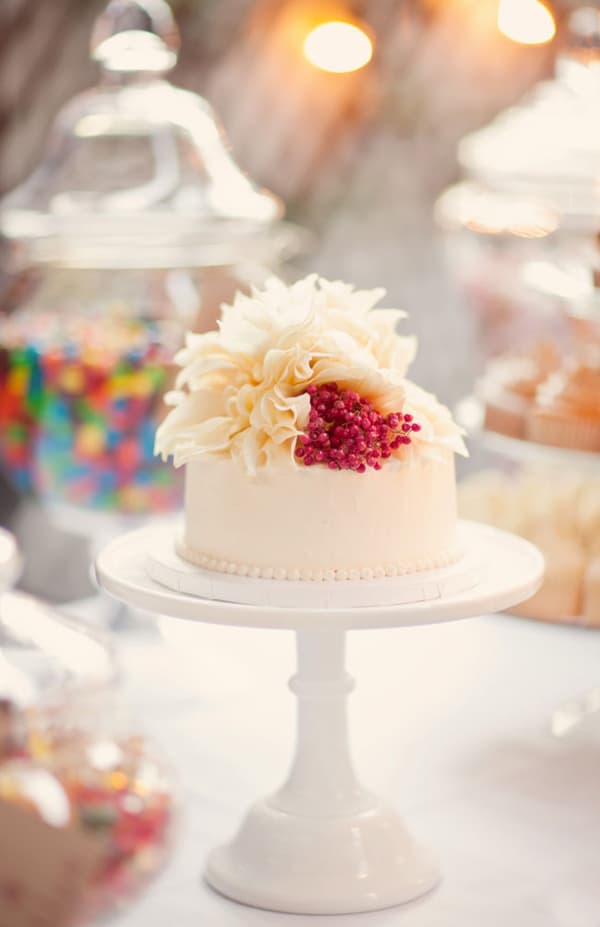
Proof that a small cake on a plain white pedestal can be the most elegant thing in the room. It suits a cozy, rustic fall wedding where understated is the whole point.
See Sarah and Martin’s San Francisco Wedding →
Fluted White Ceramic Stand
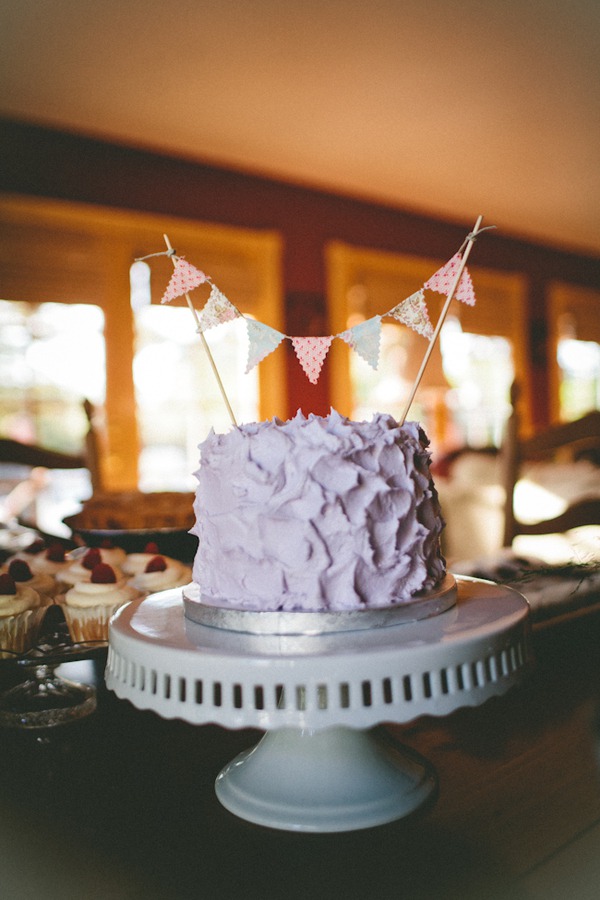
A fluted white ceramic stand is the friendliest pick for a DIY budget, the kind you can find secondhand and reuse forever. Against a single purple tier, the clean white edge keeps everything crisp.
See Laurel and Chris’s Fresno Wedding →
Smooth White Pedestal Stand

A smooth white pedestal is the no-wrong-answer option: it works with any color, any season, any venue. When you want the cake’s design to be the story, this gets out of the way.
See Brittany and Lance’s Alabama Wedding →
Blush Pink Pedestal Stand

A blush pedestal is a soft, easy way to bring color in from underneath instead of piling it onto the cake. With gold foil and fresh blueberries up top, the pink base ties the palette together.
See this Joshua Tree Anniversary Shoot →
Classic White Pedestal Stand

A classic white pedestal lets a mountainside venue and a soft pink palette do the work. It’s the stand you choose when the setting is the star and the cake just needs to look quietly perfect.
See Claire and Sean’s Deer Valley Wedding →
Carved Square White Stand

A five-tier cake needs a stand that can carry the weight and the drama, and a carved square white base does both. The carving adds presence without breaking from the all-white scheme.
See this Hotel Albuquerque Wedding →
Soft Sage Pedestal Stand

A soft sage pedestal is an unexpected, pink-friendly twist on the classic white stand. Topped with a couple of cupcakes, it leans sweet and a little whimsical, just right for a morning brunch wedding.
See Terry and Scott’s Phoenician Resort Wedding →
White Square Pedestal Stand

A square white pedestal gives a flower-covered cake a clean, modern footing so the fondant blooms read crisp rather than busy. Pastel weddings love this combination.
See this Vancouver Styled Shoot →
Pair of White Lace-Edge Stands

Skip the single tower and use a pair of mismatched white stands instead, one fluted, one lacy-edged. It’s a relaxed, collected-over-time look that suits a colorful, anything-goes backyard wedding.
See Laura and Alen’s Austin Wedding →
Rustic Wedding Cake Stands
Nothing says backyard, barn, or woodland faster than a raw wood base. A log slice with the bark left on costs almost nothing and photographs like a dream, while a wooden box adds a more architectural, black-tie-rustic feel. Stack a slice on a metal pedestal if you love the texture but need the height.
Log Slice on Gold Pedestal

Stack a raw log slice on a gold pedestal and you get the best of both worlds: rustic texture lifted to centerpiece height. It’s a clever fix when you love the wood look but need the cake higher.
See this Winter Wonderland Styled Shoot →
Bark-Edged Wood Log Slice
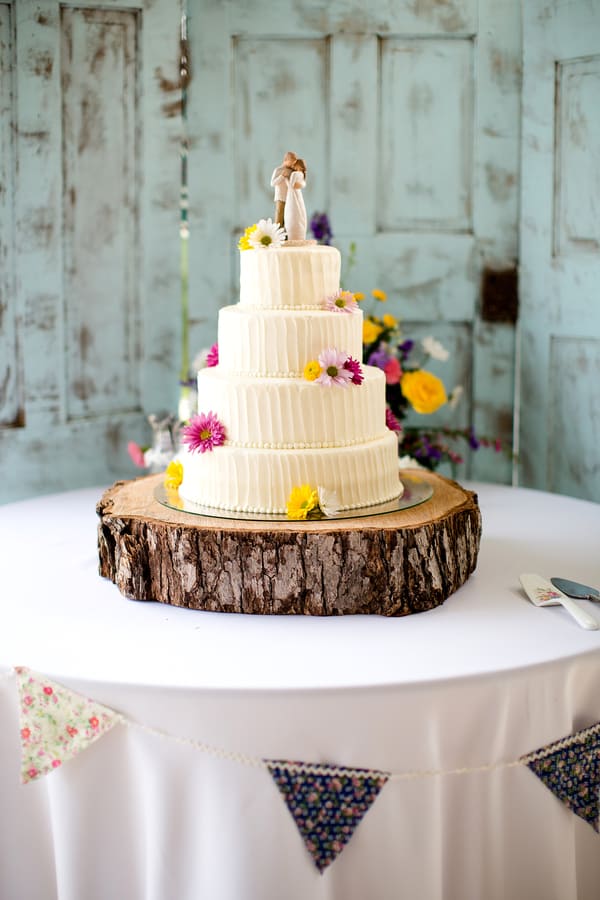
A thick log slice with the bark left on is rustic shorthand at its most honest. It grounds a tall white cake in something organic, especially with flowers spilling over the edge.
See Rebecca and Hunter’s Virginia Wedding →
Trio of Round Wood Stands

Three wooden rounds at different heights turn the dessert table into a little landscape instead of a single peak. It’s a forgiving setup too, since smaller cakes are easier to bake, transport, and cut.
See this Arkansas Barn Styled Shoot →
Rustic Wooden Box Stand

A wooden box gives a cake a solid, architectural base that feels more black-tie than a thin log slice. Against deep burgundy dahlias, the warm wood reads rich rather than rustic.
See this Burgundy Dahlia Backyard Wedding →
Galvanized Metal Farmhouse Stand
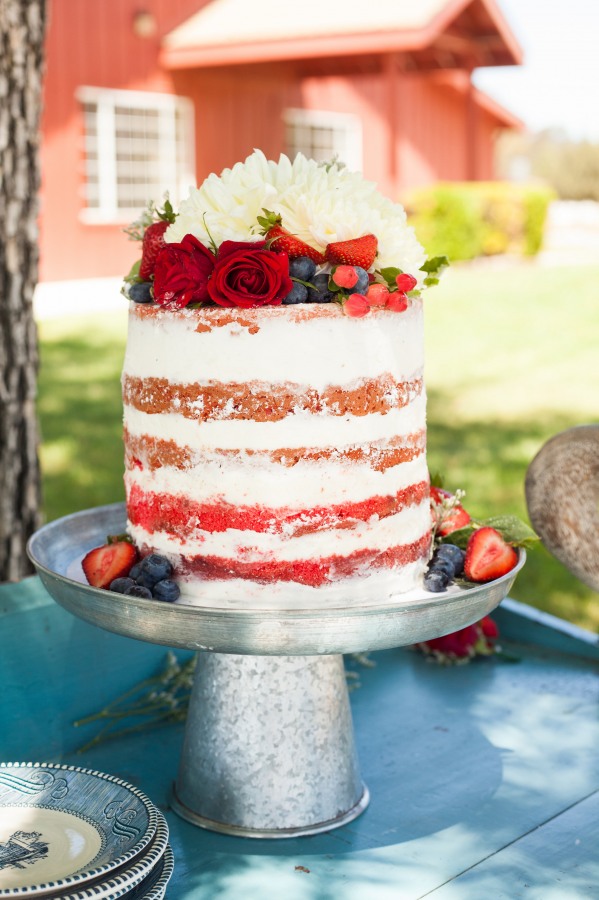
Galvanized metal is the farmhouse cousin of the polished pedestal, all matte texture and easy charm. Paired with a naked cake, it’s about as relaxed and unpretentious as a wedding cake display gets.
See this Labor Day Styled Shoot →
Thick Rustic Log Slice

A chunky log slice under a two-tier cake is the backyard-wedding classic for a reason: it costs almost nothing and looks like a million bucks in photos. Set it on a simple table and let the wood do the styling.
See Megan and Jonni’s Washington Wedding →
Glass and Crystal Wedding Cake Stands
Clear glass is the disappearing act of cake stands. It lets the cake look like it’s floating, which is perfect for modern, minimalist, or glam tables that are already busy. Add a faceted finish or a crystal trim and the base starts to sparkle on its own.
Fluted Clear Glass Stand

Clear glass is the disappearing act of cake stands, letting the cake look like it’s floating. The fluted edge adds just enough sparkle to feel intentional against a bohemian, natural-texture table.
See this St. Louis Rooftop Shoot →
Clear Pedestal Stand

A clear pedestal on a sequined table is a quiet flex: the stand vanishes so the cake and the shimmer underneath get all the credit. It’s the move for a glam space that’s already busy.
See this Louisville Gold and Glitter Wedding →
Faceted Glass Pedestal Stand
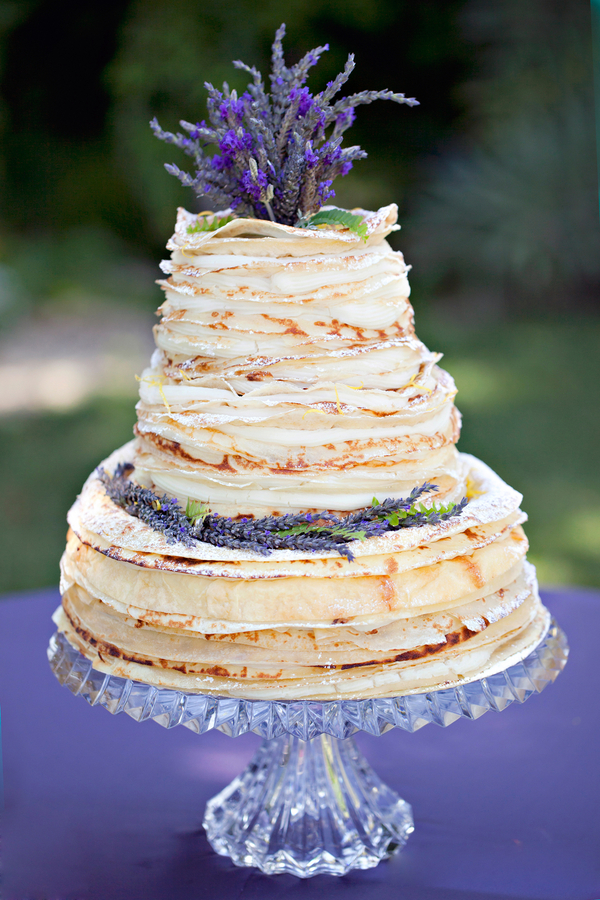
A faceted glass pedestal catches the light like cut crystal and works for anything from a tiered cake to, yes, a tower of crepes. When you want the base to sparkle without adding color, faceted glass earns its keep.
See our Wedding Vision Boards Guide →
Glass Stand with Silver Base

Clear glass on a silver pedestal base is a vintage favorite, the glass keeping it light while the silver adds a little formality. It suits a historic hall and a soft green palette without skewing too modern.
See Kelly and Adham’s Mercury Hall Wedding →
Crystal-Trimmed Teal Stand
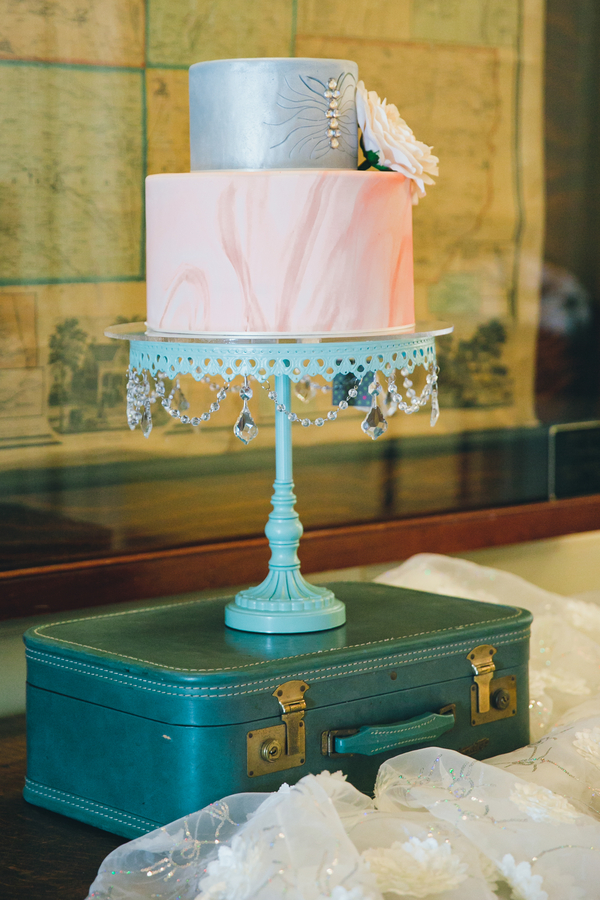
A teal pedestal dripping with crystals is the rare stand that’s a centerpiece on its own, cake or no cake. If you want a little vintage-glam drama and a pop of color from underneath, this is it.
See this Upstate NY Styled Shoot →
Bold and Unexpected Unique Wedding Cake Stands
For couples who want the stand to be part of the design, not just the thing holding the cake up. Think black pedestals, marble slabs, industrial metal, open wire, and tiered displays. These are the bases that turn a dessert table into the photo everyone takes.
Tiered Scrollwork Stand
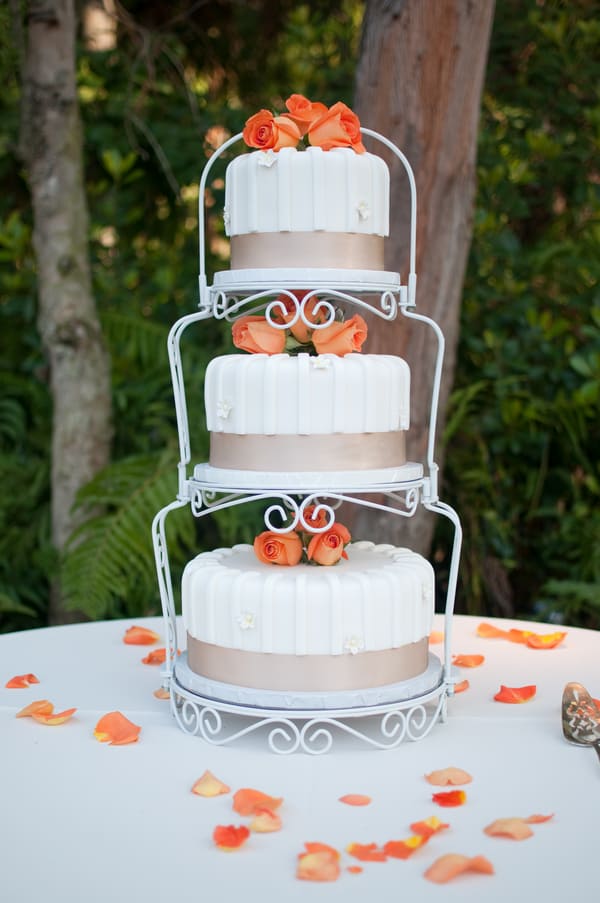
A tiered scrollwork stand lets you show off three small cakes at once, each on its own level. It’s a charming alternative to one tall cake and makes the cutting (and serving) a lot easier.
See Brittany and Seth’s California Wedding →
Industrial Chain-Detail Stand
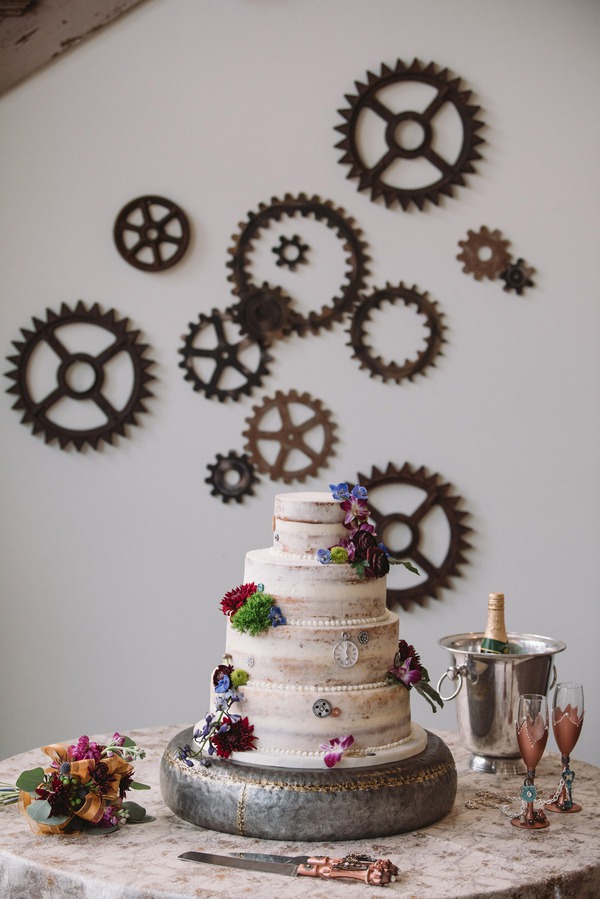
A dark, chain-wrapped metal stand is exactly the kind of detail a steampunk wedding is built on. The base becomes part of the storytelling instead of a neutral platform.
See Kerri and Dillon’s Steampunk Wedding →
Antique Wrought-Iron Stand
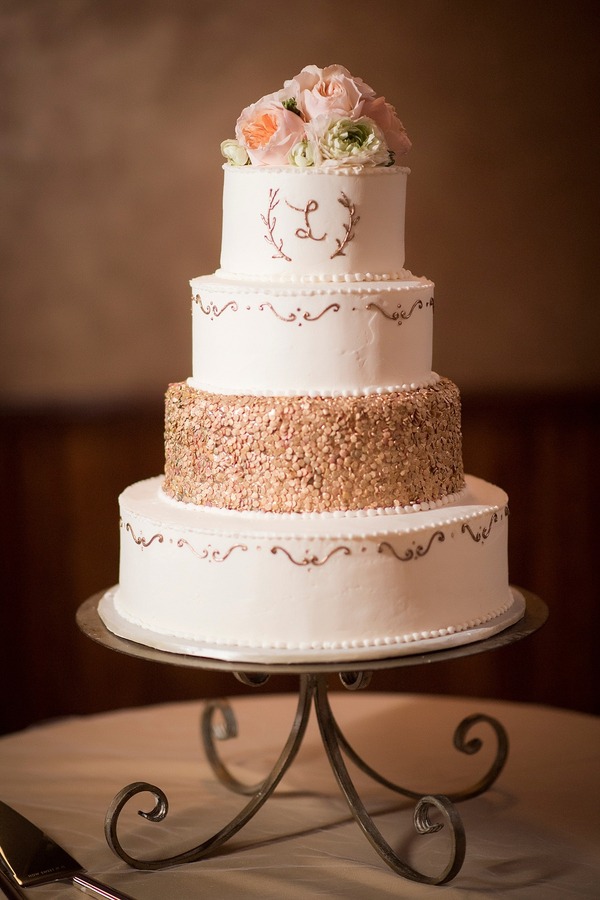
Dark, scrolled wrought-iron gives a tall cake an antique, almost throne-like base. It’s the move when you want a stand with a little age and edge to it, grounding a bright, bold palette instead of matching it.
See Kristin and Austin’s Palafox Wharf Wedding →
Marble Pedestal Stand

A marble-patterned pedestal is the modern minimalist’s answer to the ornate metal stand: cool, sleek, and quietly luxe. Under a geometric cake against exposed brick, it reads gallery rather than ballroom.
See this Victoria, Canada Styled Shoot →
Bold Black Pedestal Stand

A black pedestal under a white cake is high-contrast and high-impact, the cake stand equivalent of a tuxedo. For a black-and-white wedding, it’s less a choice than a foregone conclusion.
See this Seattle Art Museum Wedding →
Dark Textured Square Stand

A dark, textured square stand grounds a square cake with real weight and a little edge. It’s the rustic-ranch move for couples who want warmth without the predictable raw-wood look.
See Stephanie and Jeff’s Texas Ranch Wedding →
White Wire Cake Stand

An open wire stand is airy and a little nostalgic, like something off a grandmother’s porch in the best way. It suits a simple, earthy cake topped with fresh blackberries and not much else.
See Lydia and Reed’s Styled Shoot →
FAQs
A few of the questions couples ask us most when they get down to the dessert-table details.
What size cake stand do I need for my wedding cake?
As a rule, the top of the stand should be about two inches wider than the bottom tier of your cake. That little lip of space frames the cake and gives you room to tuck in flowers or greenery. Go too small and the cake looks like it’s about to slide off; go too wide and the base steals attention from the dessert.
What’s the most popular wedding cake stand material?
We see metal most often, silver and gold, because it suits almost any palette and lifts the cake for photos. Wood is the go-to for rustic, barn, and backyard weddings, while clear glass is the favorite for modern and minimalist tables. The right pick really comes down to your venue and your color scheme, not a single trend.
How do you decorate a wedding cake stand?
The easiest, highest-impact move is to wrap fresh greenery or loose blooms around the base so the stand reads as part of the centerpiece. From there you can add a small sign, a monogram, or candles around the edge of the table. Match the flowers to your bouquet and the whole dessert display suddenly looks designed.
Can you use a regular cake stand for a wedding cake?
Yes, as long as it’s sturdy enough for the weight. A single or two-tier cake is happy on most decorative pedestals, but a tall four- or five-tier cake needs a wide, solid base rated to carry it. When in doubt, ask your baker what the finished cake will weigh and size the stand to that.
Should the cake stand match the rest of the wedding decor?
It should belong to the same family, not necessarily match exactly. Echo a metal or a color you’re already using elsewhere, your candlesticks, your flatware, your signage, so the stand looks intentional. Or flip it and let a bold stand, like a black pedestal or a crystal-trimmed base, be the one piece that stands out on purpose.
Don’t forget to pin this to your Wedding Cakes Board for later!