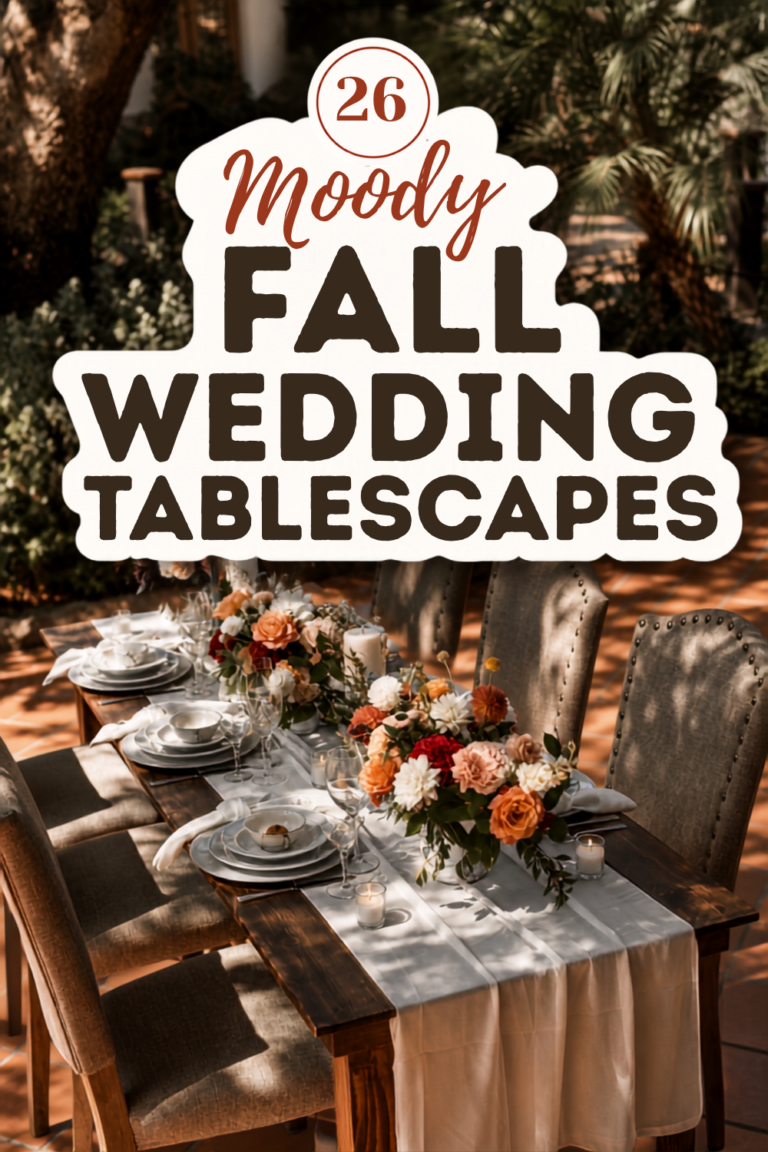
I came to this conclusion through years of hosting celebrations and developing premium dinnerware. I have handled more plate samples than I can count, compared finishes in different light, tested place settings with real meals, and learned that a beautiful table does not require every item to come from the same rental warehouse. Trust me, disposable plates can look completely at home at a wedding when they are substantial, coordinated and supported by thoughtful styling, as demonstrated by By Madee.
The most successful approach is often a hybrid one: spend or rent where it creates the greatest visual effect, then choose practical pieces for everything else. The result can be warm, polished and personal without creating a mountain of dishes or an unnecessarily large rental bill.
Why a Hybrid Wedding Table Works

A hybrid table combines disposable and reusable elements instead of treating the decision as all-or-nothing. You might use premium disposable plates and coordinated flatware, rent real wine glasses, and finish the table with cloth linens, flowers and candles.
This works because guests experience the table as one composition. In its collection of wedding place-setting ideas, Brides shows how linens, plates, chargers, glassware and floral details work together to create the overall mood. No single object has to do all the visual work.
Decide Which Tabletop Elements Guests Notice Most

A useful starting point is a reception checklist, which separates the many practical pieces needed at the dinner table and bar. Use that list to decide which pieces will be visible during dinner and which can be more utilitarian.
My rule: choose two or three details to repeat, then let everything else support them.
- A warm metallic finish repeated on plate edges, flatware or napkins
- One consistent ivory, white, clear or black base color
- Glassware that adds height and catches the light
- Low flowers or greenery that suit the venue
- A napkin fold that looks deliberate rather than hurried
Start With Substantial Plates

There is a real difference between a standard party plate and one designed for a full wedding meal. A wedding plate should feel stable when held with one hand, remain firm while food is being cut, and have enough depth for the menu being served.
Order samples before buying for the entire guest list. Put dinner on the plate—not just a few appetizers—and carry it across the room. If steak or another food will be cut, test that too. A plate that twists, bends or feels uncertain during the trial will not feel more dependable once 100 guests are using it.
Look for clean molded shapes, smooth edges, consistent color and restrained metallic accents. Scalloped or china-inspired silhouettes can create visual interest, but the plate should still coordinate with the rest of the table rather than look overly ornate.
For food-contact products, follow the manufacturer’s intended-use and temperature instructions. The U.S. Food and Drug Administration explains how food-contact substances and their intended conditions of use are regulated.
Rent Real Glassware for Sparkle and Height

If you want to rent only one tabletop category, I would strongly consider glassware. Real wine glasses or water goblets bring height and sparkle to the table, and they reflect candlelight in a way that immediately makes dinner feel more formal.
Think about the table as a complete design and considering the guest’s view as well as the overhead view. Glassware is especially useful because it fills vertical space without blocking conversation.
Use Linens and Napkins to Create Cohesion
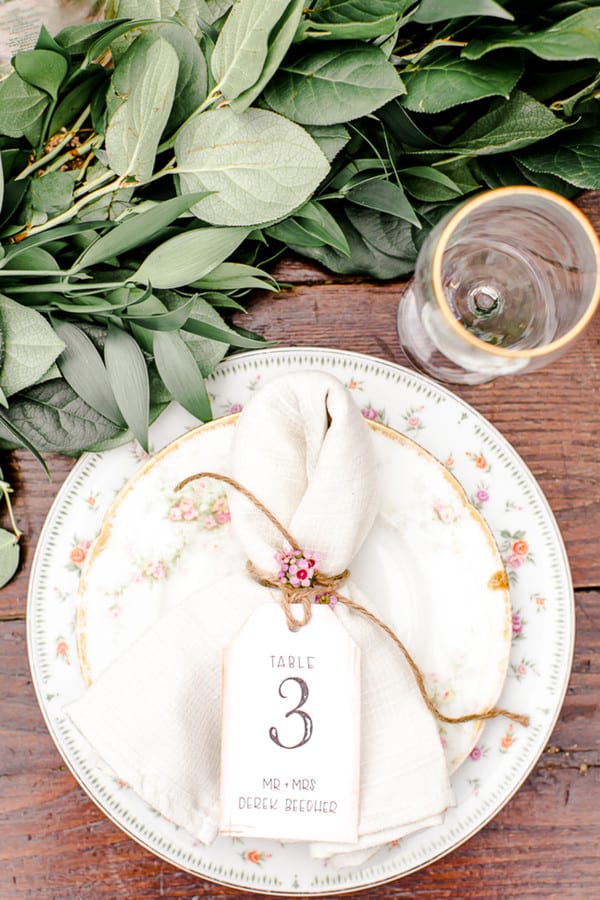
Linens are one of the easiest ways to make a mixed table feel intentional. A full tablecloth creates formality, while a runner on a wood table feels lighter and more relaxed. If rentals are outside the budget, even a simple neutral runner can visually connect all the place settings.
A neatly folded napkin also carries more design weight than many couples expect. Place it over the dessert plate, beside the setting or beneath a menu. Choose a color or metallic detail that relates to the plates, flowers or flatware.
Add Simple Flowers and Candlelight

Brides offers many simple centerpiece ideas built around thoughtful combinations rather than sheer volume. Start with what is already beautiful about the season or venue, then add only what the table needs.
For safety, the National Fire Protection Association recommends keeping candles at least one foot from anything that can burn and never leaving them unattended. Flameless candles are a practical alternative when the venue prohibits open flames or when children may be near the tables.
When Chargers Improve the Setting

A charger can frame the dinner plate and give the table presence before the meal arrives. It is especially helpful when the table is large, the centerpieces are minimal or the place setting otherwise feels visually small.
If the dinner and dessert plates are already layered, another piece may make the table feel crowded. Consider using a charger, but only use a charger only when it improves the composition—not because a wedding table is “supposed” to have one.
Test the Complete Place Setting Before the Wedding

A sample table is one of the most useful planning tools you can create. Assemble the exact plate sizes, glasses, flatware, napkin, menu, favor and centerpiece on a table of the same dimensions the venue will use.
A Quick Sample-Table Test
- Serve the actual meal—or a close approximation—on the plate.
- Cut the firmest food on the menu and carry the plate with one hand.
- Confirm that glasses and flatware fit comfortably without crowding.
- Sit across from someone and check the centerpiece height.
- Photograph the finished setting for the venue or setup team.
- Order approximately 5% to 10% extra settings for damage, vendors and unexpected guests.
When Rentals Are Still the Better Decision
Disposable plates are not the right answer for every wedding. Rentals may make more sense when the venue or caterer requires china, the catering package already includes tabletop rentals, the meal involves highly formal multi-course service, or specialized bowls and serving pieces are needed.
The EPA’s food-service ware guidance also explains that compostable and recyclable options depend on the collection systems and facilities actually available. A product label alone does not guarantee that an item will be processed as intended after the reception.
Your Final Wedding-Table Checklist
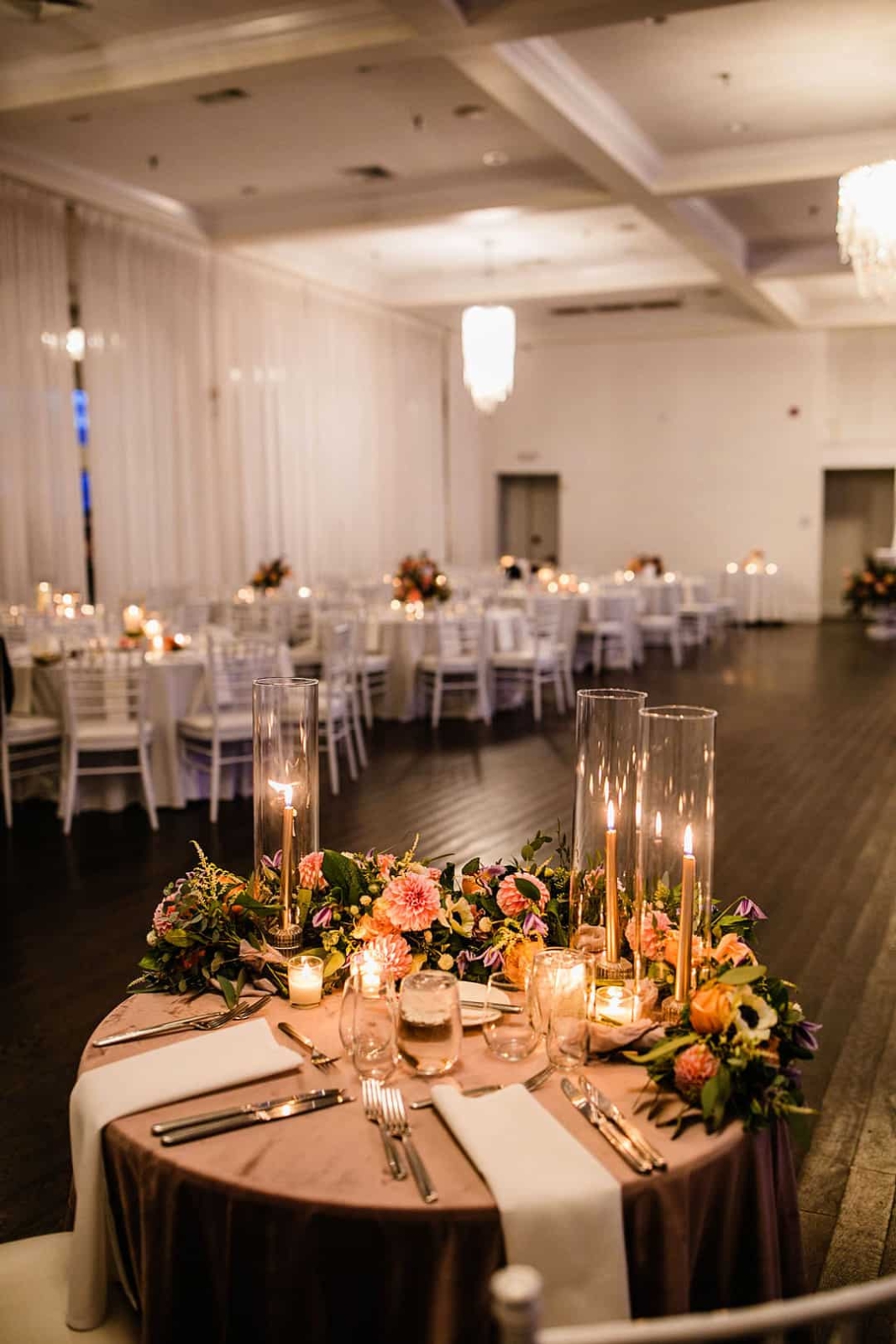
- Confirm the venue and caterer’s tabletop requirements.
- Order plate samples and test them with the planned menu.
- Choose one consistent metallic finish.
- Use real glassware where it will have the greatest visual impact.
- Coordinate plates, linens, napkins and flowers rather than matching everything exactly.
- Measure the table before adding chargers.
- Use unscented candles and follow venue fire-safety rules.
- Create and photograph one complete sample setting.
- Order extra settings and label boxes clearly for the setup team.
The Bottom Line
Start with dependable plates, add real glassware if the budget allows, repeat a restrained color or metallic detail, and use simple flowers and candlelight to bring the table to life.
Guests are far more likely to remember the meal, the music and the people seated beside them than whether the plates had to be returned the next morning. The goal is not to prove that every piece is expensive. It is to create a table that feels welcoming, intentional and true to the celebration.
Don’t forget to pin this to your Wedding Decor Board for later!