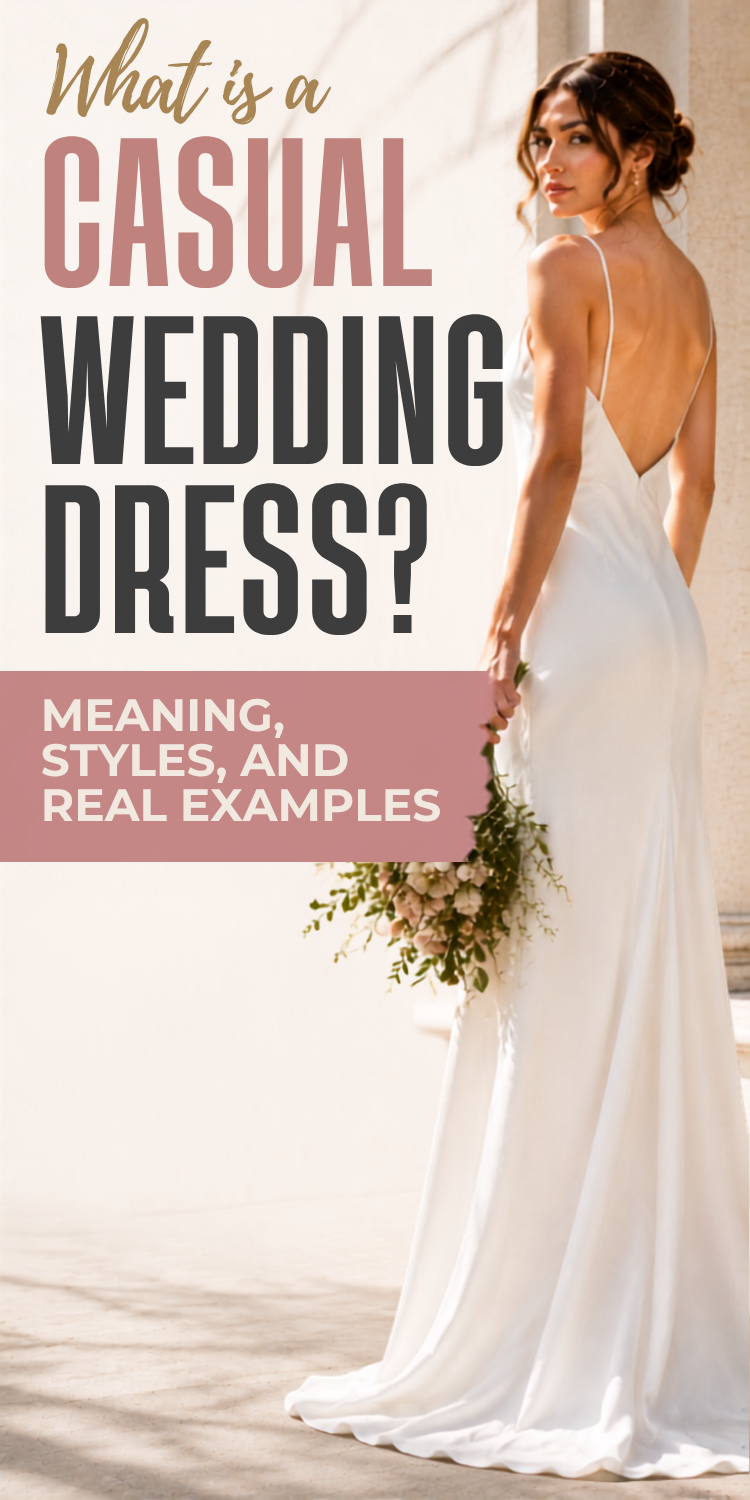
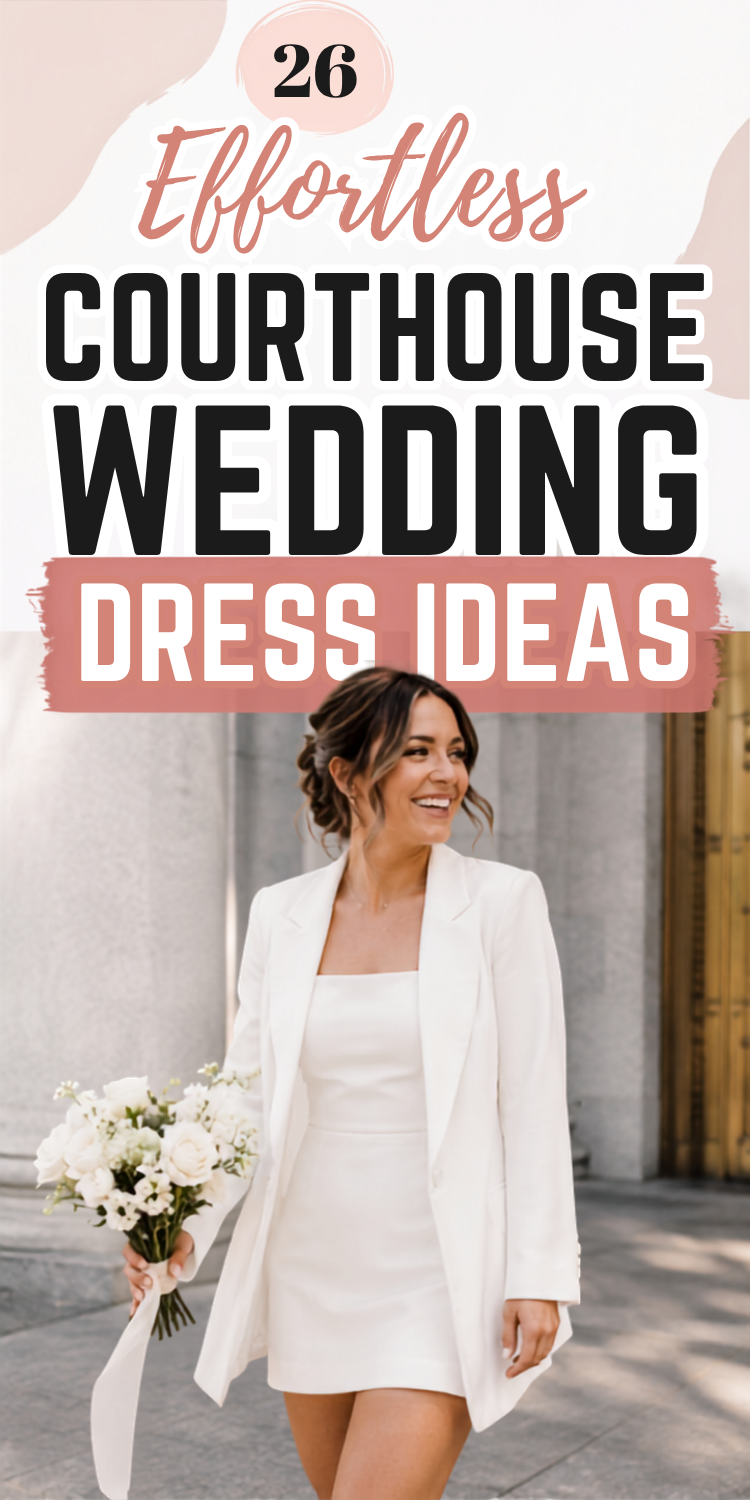
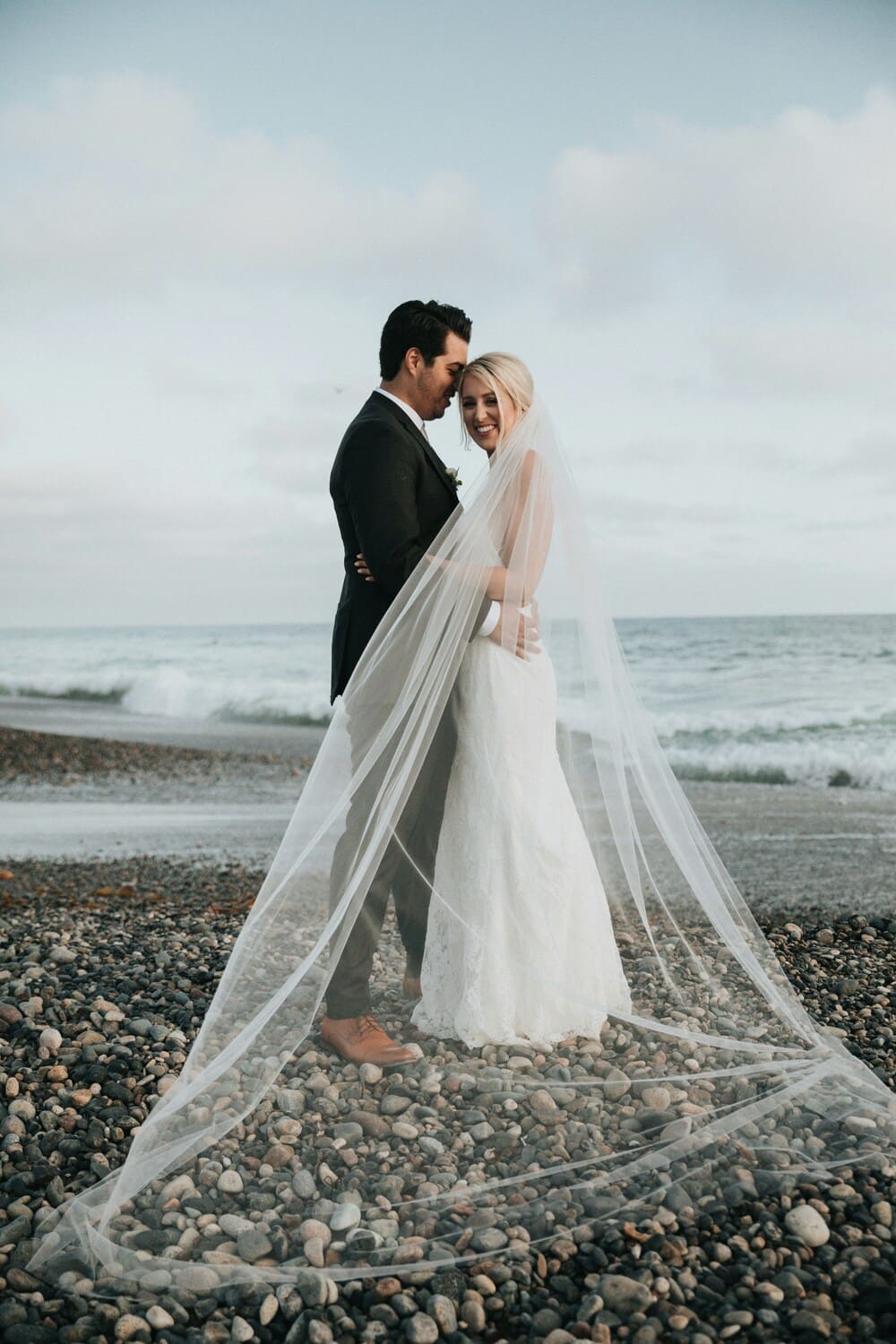
Here’s the thing nobody tells you: “casual” is not a size, a fabric, or a Pinterest board. It’s a decision you make on purpose, one that still needs a plan behind it. So let’s build that plan together. We’ll figure out what “casual” actually means for your venue, pick a fabric and silhouette that won’t betray you at hour six, and nail the small stuff (shoes, undergarments, accessories) that separates “effortlessly cool bride” from “did she get dressed in the dark.”
Let’s decode “casual” first, because that word is doing a lot of heavy lifting.
1. Okay, But What Does “Casual” Even Mean Here?
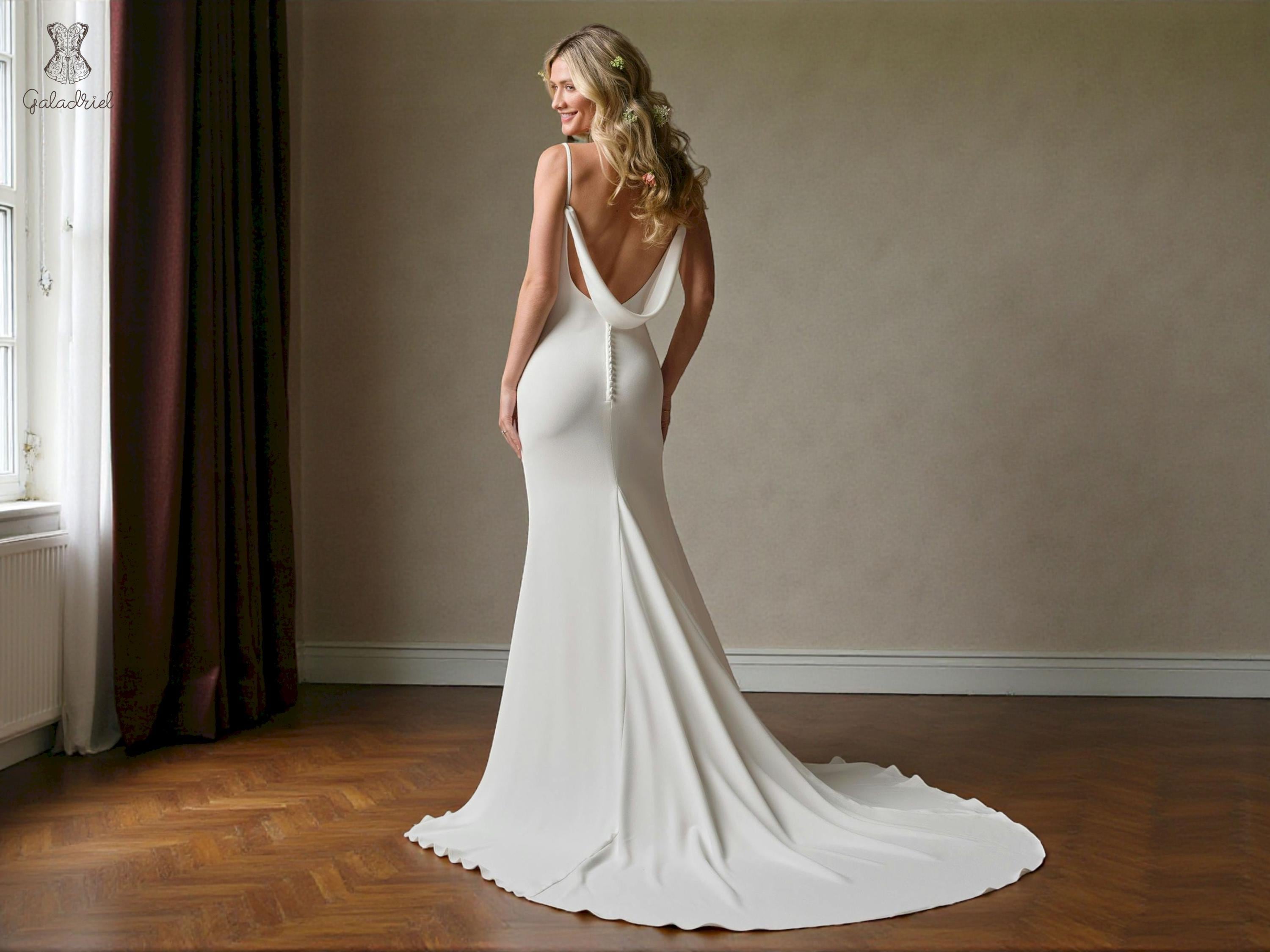
Before you shop for a single thing, you need to define your flavor of casual. It’s a spectrum, not a single look, so pick your lane:
- Relaxed: Breezy sundresses, cotton lace, zero-fuss silhouettes.
- Polished: Tailored midi dresses, sleek jumpsuits, sharp clean lines.
- Elevated-minimal: Architectural slip dresses or heavy crepe with no embellishment at all.
Now do the unglamorous part: a venue, dress code, and time-of-day reality check. A morning beach ceremony and an evening restaurant dinner need completely different fabrics (we promise this matters more than the dress itself). Are you dealing with stairs, wind, sand, or a room with no AC? Your dress needs to work with your day, not fight it the whole time.
We swear by the match-the-room rule. If your guests show up in cocktail attire and you’re in a beach cover-up, the photos will feel off, even if the dress itself is gorgeous. You want your outfit to look like it belongs in the frame.
Here’s how to match the setting:
- Courthouse: Keep it crisp with a chic, short courthouse wedding dress.
- Civil ceremony: Go modern and understated with civil wedding dresses that transition easily into celebration drinks.
- Elopement: Prioritize packability with lightweight elopement wedding dresses built for outdoor elements.
- Backyard: Opt for breathable, ankle-skimming styles that don’t collect grass stains.
2. How Do You Actually Want to Feel in This Thing?
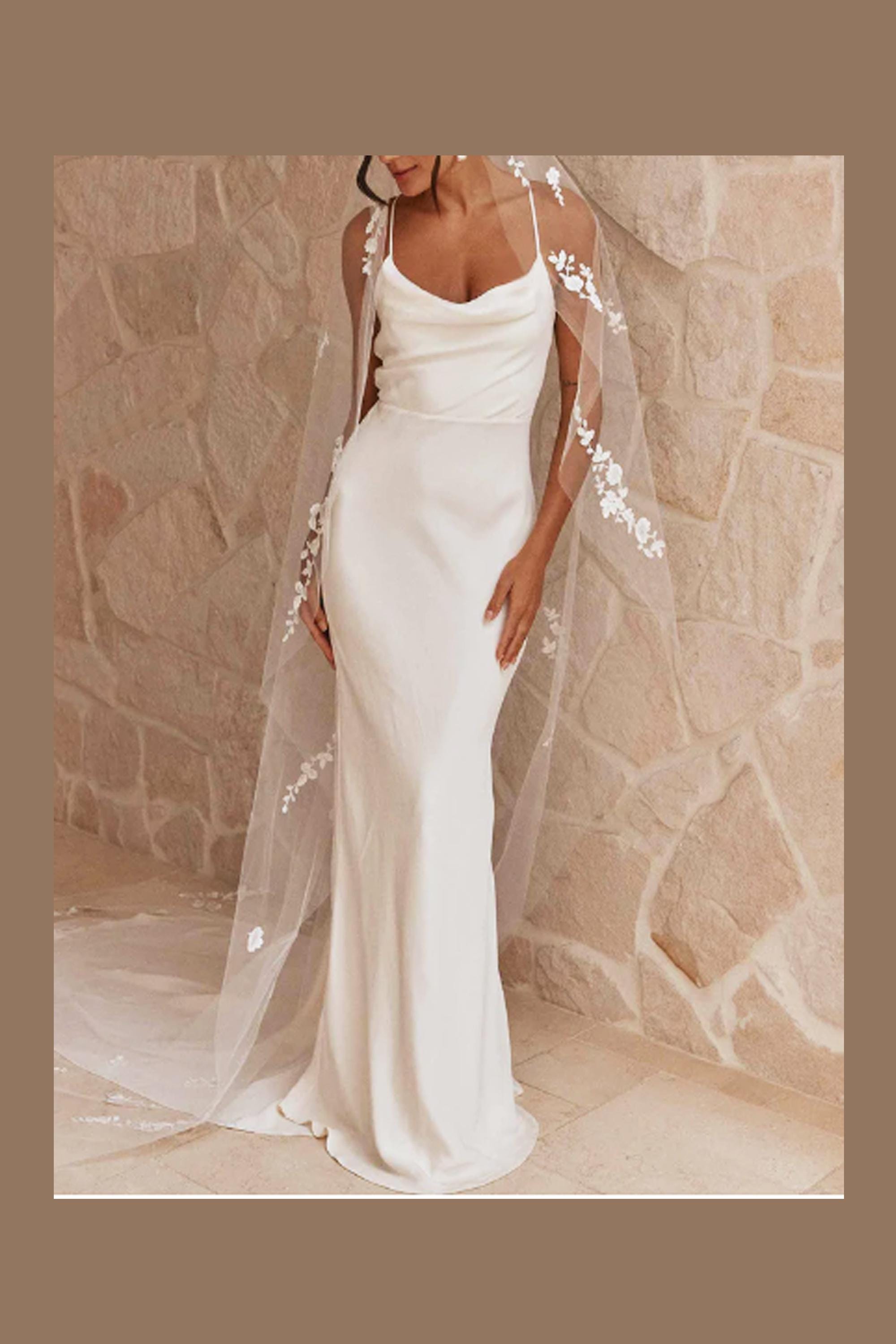
Ever worn an outfit that looked incredible and made you want to escape it by hour two? Same. On your wedding day, discomfort is a mood killer, full stop. A casual wedding dress is about wearability first. Looking pretty in photos is the bonus round.
Before you commit, run the mobility checklist. Can you:
- Sit down without holding your breath?
- Hug people without a seam giving out?
- Dance like nobody’s watching (because at some point, nobody will be)?
- Walk across grass or gravel without a near-death experience?
Forget the “rules” of bridal dressing. Choose your neckline, back coverage, sleeve length, and slit height based on what feels like you, not what a magazine says a bride should wear. If you hate strapless in real life, you will hate it more in a dress you’re wearing for twelve hours.
Then make a temperature plan. Hot day, light fabric. Cold day, a cute layer like a denim jacket or knit wrap so you’re not gritting your teeth through the vows.
Micro-tip: To avoid decision paralysis, pick two comfort must-haves and one nice-to-have. That’s it. Your future self will thank you.
3. Will Your Fabric Actually Survive the Day?

That gorgeous fabric swatch you fell for online is keeping a secret from you. Pinterest boards show you the flawless gown. They do not show you how that same fabric handles a three-hour car ride or a sweaty, all-in dance floor moment.
Here’s the honest rundown on how each fabric behaves once real life gets involved:
- Crepe: Heavy, structured, and forgiving. A dream for modern, simple wedding dresses because it smooths over everything.
- Chiffon: Float-y and romantic, but it catches every gust of wind and clings to your legs the second it gets warm.
- Tulle: Whimsical in small doses, “lost ballerina” in large ones. Use with restraint.
- Lace: Highly forgiving, barely wrinkles, and hides undergarment lines like a champ.
- Cotton or linen: Perfect for backyard energy, but it wrinkles the second you sit down. Make peace with that now.
- Satin or silk: Sleek and stunning, and famous for showing sweat, water spots, and camera-flash static.
Watch for the big four photo-ruiners: travel wrinkles, summer sweat, static cling, and thin fabric that reveals every seam underneath. If you’re torn between two options, let your venue break the tie. Pick whatever behaves best under your specific conditions, not whatever looked best on your phone at 1 a.m.
4. Which Silhouette Actually Fits Your Day?
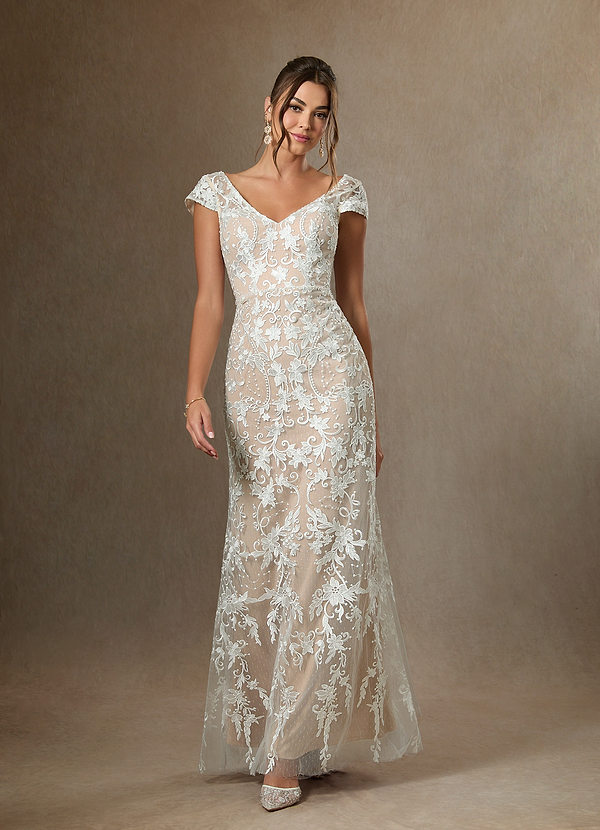
Ever bought a dress online only to discover it has zero built-in support and now you’re solving an engineering problem two weeks before the wedding? That’s casual dressing in a nutshell. Casual shapes prioritize movement, so they skip a lot of the internal structure formal gowns rely on. Plan your shapewear early. You’ll want to.
Five silhouette lanes worth considering:
- Slip or sheath: These minimalist slip wedding dresses drape naturally. Unstructured lines keep them casual; a good silk fabric instantly elevates them.
- A-line: A relaxed A-line skirt with no heavy tulle underneath gives you classic romance without the extra weight.
- Fit-and-flare minimal: Hugs your curves for an elevated look, using stretchy fabric instead of stiff boning so you can still breathe.
- Tea-length or midi: A shorter hem is casual by default and lets your shoes do some talking.
- Separates or jumpsuit: Modern wedding jumpsuits and bridal separates are comfortable, practical, and effortlessly cool.
Whether you land on a classic dress or lean toward non-traditional silhouettes, simple lines and shorter hems will keep your look low-key without trying too hard.
5. Can a Long Dress Still Feel Casual? (Yes, Actually)
Convinced a floor-length gown is automatically too formal for your backyard venue? Let’s bust that myth now. Your hemline is a dial, not a switch. Shorter lengths bring built-in playfulness, but a long dress can feel just as casual if the fabric is light and the construction stays minimal.
Before you commit to a length, think through the real-world logistics:
- Terrain: Can you handle stairs, grass, or sand without a faceplant?
- Wind: Will a coastal gust turn your midi into an unplanned Marilyn moment?
- Sitting comfort: Will the hem ride up the second you sit down for dinner?
- Shoe visibility: Do you actually want people to see your shoes?
Quick rule of thumb: more length for a touch of bridal drama, shorter for pure ease. Browse our favorite short wedding dresses if shorter is calling your name.
6. Is “Breezy” Secretly Code for “See-Through”?
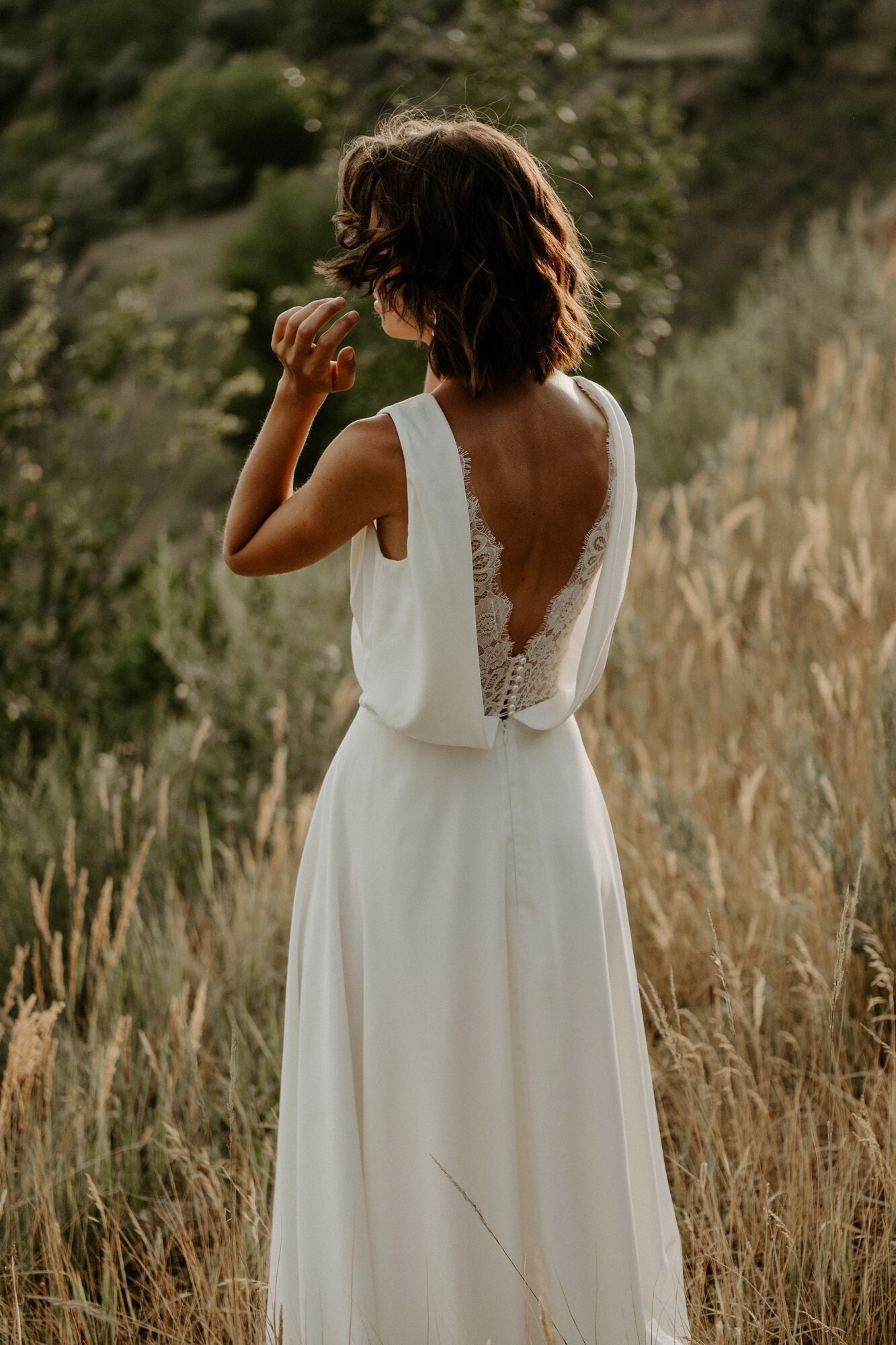
There’s a real difference between effortlessly breezy and accidentally see-through in the afternoon sun. Nobody wants that particular surprise on their wedding day.
Casual doesn’t have to mean flimsy. Even without a ballgown’s heavy scaffolding, you still need real structure underneath. Look for quality lining, built-in cups, light boning, thicker fabric, and closures you can trust. Pay extra attention if you’re dealing with:
- Thin fabrics, which show every seam and underwear line.
- Plunging necklines or low backs, where a regular bra has nowhere to go.
- Strapless styles, where gravity is undefeated.
- Bright outdoor light, which reveals transparency you didn’t know existed.
If you’ve already fallen for a dress that lacks support, don’t panic. A good tailor can sew in cups or add lining during alterations. Just flag it early so there’s time to fix it properly.
Structure gets you halfway there. Your undergarments are the other half.
7. Let’s Talk About What’s Happening Underneath
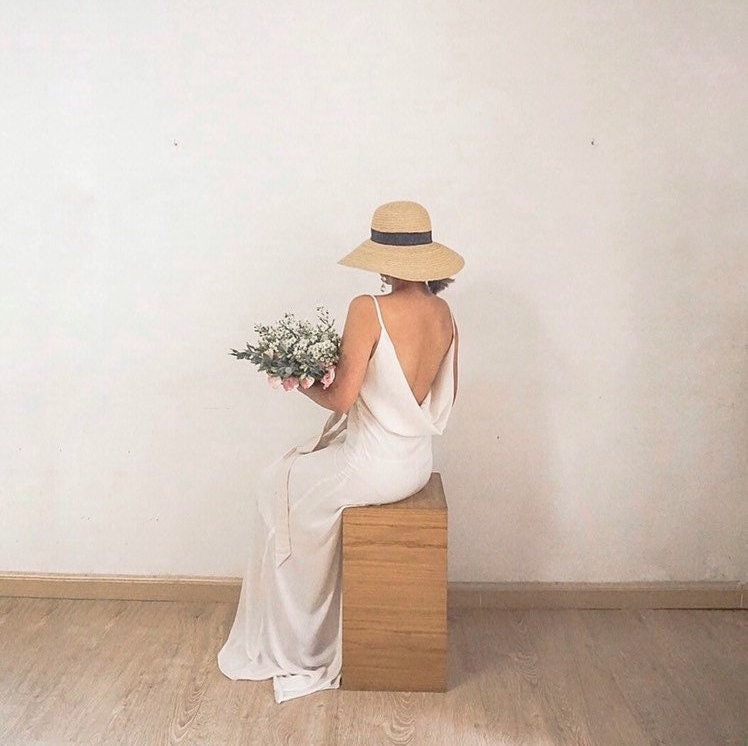
There’s a special kind of panic that hits when you realize your gorgeous, lightweight dress is basically a window into your underwear drawer once the sun comes out. Lightweight fabric and minimal construction are wonderfully breezy, and they will absolutely show everything. Your everyday nude bra is not going to save you here. Sorry.
The undergarment decision tree, made simple:
- Backless or low-back: Reach for medical-grade breast tape and silicone nipple covers, or ask your tailor to sew cups directly into the bodice.
- Plunging necklines: Try plunge-friendly adhesive bras or deep-v bodysuits that lift without a visible band.
- Thin fabrics: Go with laser-cut, seamless shapewear that matches your skin tone, then do an immediate opacity check.
If you’re wearing slinky slip wedding dresses, this step matters even more.
Wear your exact undergarment plan to every fitting. Have a bridesmaid snap flash photos from every angle, in direct sun and in a dim room. If something looks off, you have time to fix it before you’re standing at the altar.
8. How Do You Keep This From Looking Like Brunch?

How do you stop a casual wedding dress from reading like a nice sundress you’d wear to Sunday brunch? Not by adding every accessory you own. It’s restraint, not addition.
Simple dress plus intentional styling equals bridal, every time. When your dress is minimal, pick one or two items from this list:
- A sheer veil or a minimal pearl headpiece
- A compact, scaled-back bouquet
- One jewelry focal point, like statement earrings
- A polished hairstyle or fresh manicure
That’s the restraint rule. A simple gown can’t carry twelve competing accessories without looking cluttered.
Picture a plain slip dress. Add a veil, and you’re a classic, breathtaking bride. Skip the veil and slick your hair into a low bun, and you’ve landed squarely in non-traditional wedding dresses territory. Either way works. Just pick one story and commit to it.
9. Will Your Shoes Actually Survive the Terrain?

Nothing derails a beautiful walk down the aisle like sinking into muddy grass or sliding on slick stairs. Footwear anxiety is real, and you don’t have to suffer through it. Match your sole to your surface first:
- Sand or wet grass: Flat sandals, wedges, or dressy flats.
- Pavement or stairs: Sturdy block heels or Chelsea boots.
- A slick dance floor: Anything with real rubber traction.
Your hemline shapes your shoe strategy too:
- Mini or midi: Your shoes are fully part of the outfit, so choose them with intention.
- Maxi: Prioritize comfort and stability since nobody will see your feet anyway.
Casual footwear is allowed to look casual. Pairing a tailored courthouse wedding dress with minimalist leather slides or bridal sneakers gets you all-day walkability without giving up style.
Before the big day, run the thirty-minute test: wear the shoes around your house. If you’re pinching, sliding, or swearing within half an hour, your feet already know the truth.
10. Where Should Your Money Actually Go?
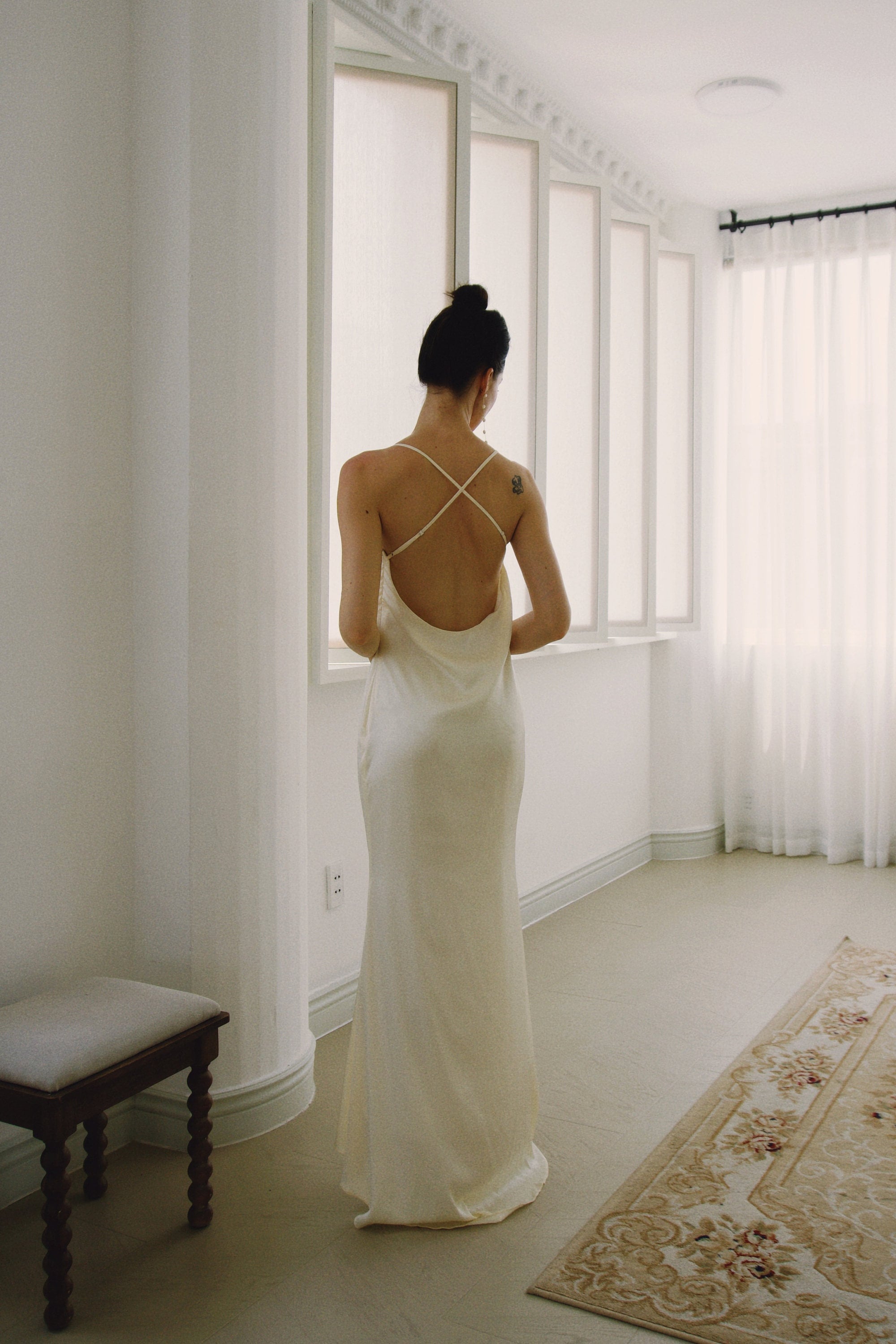
Plenty of brides assume “casual wedding dress” means “cheapest option available.” Let’s put that one to rest. Casual doesn’t mean cheap. You can spend smart and still skip traditional bridal salon markups entirely.
Put your budget toward the things that actually pay off:
- Fabric and lining: A well-lined dress hangs beautifully and reads expensive, even when it wasn’t.
- Key alterations: Tailoring the bust, waist, and hem turns a simple dress into something that looks custom.
- Shoes you can actually stand in: For eight hours. Not two.
And skip the low-ROI traps: last-minute panic accessories, painful photo-only heels you’ll kick off after ten minutes, and skipping tailoring because your dress “already looks fine.” Even the simplest dress needs a professional hand to actually fit right. Book your tailor at least two months out. Alterations always take longer than you think.
11. Will You Actually Wear This Again? Be Honest
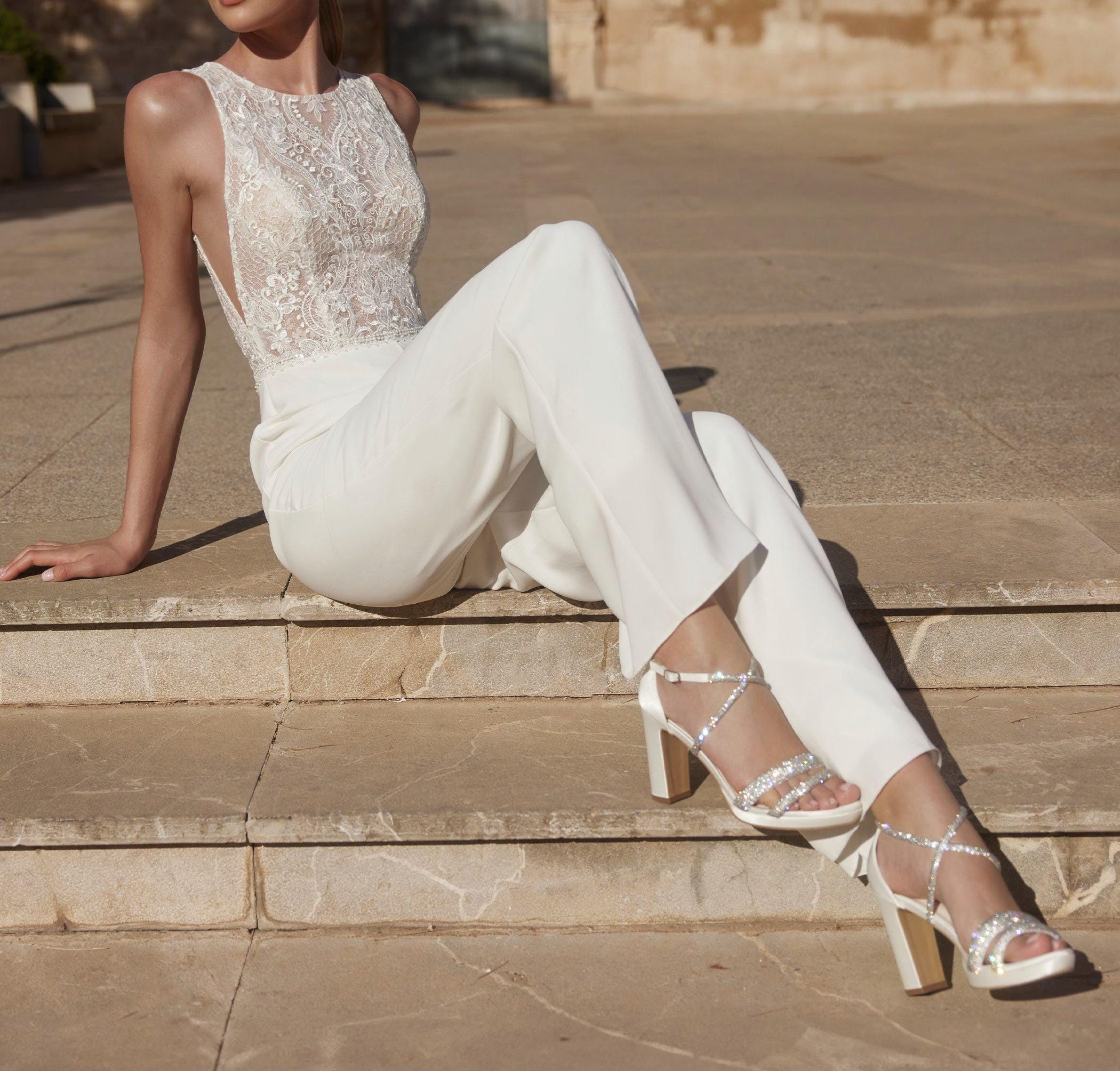
Have you ever stared at a dress hanging in your closet, telling yourself the ultimate bridal lie: “I’ll totally wear this again”? Let’s be real. Re-wearability isn’t about whether you theoretically could wear something again. It’s about whether you actually will.
For a genuinely re-wearable casual wedding dress, look for:
- A versatile hemline. Midi and mini lengths move easily into everyday life and other events.
- Durable fabric. Something that survives cleaning and storage without losing its shape.
- Styling flexibility. A simple canvas you can dress down with a jacket, a belt, or casual layers later.
Here’s your gentle reality check: not every bridal fabric, dye, or custom alteration behaves nicely after the wedding is over. If re-wearing is a real priority, you have to shop with that intention from day one, not hope for it after the fact.
This is exactly why non-traditional wedding dresses work so well here. They transition beautifully into anniversary dinners or a dressy night out, so you get a dress that actually lives a life instead of one that just gathers dust.
12. What If You Skip Buying New Entirely?
Why spend on a brand-new outfit you’ll wear for eight hours when a casual wedding dress pairs so naturally with lower-waste choices? Going green is a lot easier when you’re not chasing a ten-foot train down the aisle.
There are plenty of stylish, eco-friendly paths here: rental platforms, secondhand bridal marketplaces, local consignment shops, borrowing from a stylish friend, or tailoring a great non-bridal white dress into something new.
If you go the pre-loved route, do your homework first:
- Measurements vs. label size: Bridal sizing is famously inconsistent. Trust actual bust and hip inches over the number on the tag.
- Fabric condition: Check the hem and lining closely for underarm stains, fraying, or zipper damage.
- Alteration room and cleaning: Factor in professional cleaning costs, and check there’s enough seam allowance left for adjustments.
Sustainable does not mean sentenced to a shapeless sack dress. You will still look like an unmistakable bride.
13. Has Your Dress Actually Passed the Stress Test?
You think you found the one. But has it actually survived real movement? Before you cut the tags off, put it through its paces at home:
- Sit and stand repeatedly. Simulate a car ride or dinner. Does the bodice dig in?
- Walk briskly and climb stairs. Make sure you won’t trip over your own hem.
- The hug test. Raise your arms like you’re hugging someone. Does the fabric pinch or shift?
- The wind test. If you’re outdoors, stand in front of a fan and see what happens.
- The flash photo test. Take a flash photo in a dim room and check for surprise transparency.
Wear your wedding shoes and planned undergarments while you test, and bring a hair clip to check how the neckline looks with your hair up.
If the test reveals your dress is more high-maintenance than you’d like, browse these elegant simple wedding dresses instead. If the hemline is the actual problem, go shorter with these short wedding dresses.
14. So, Which Venue Are You Actually Working With?
Finding the right casual wedding dress comes down to matching your vibe to your actual venue. Nobody needs a heavy satin train dragging across a city crosswalk or sinking into a backyard lawn. Use this cheat sheet:
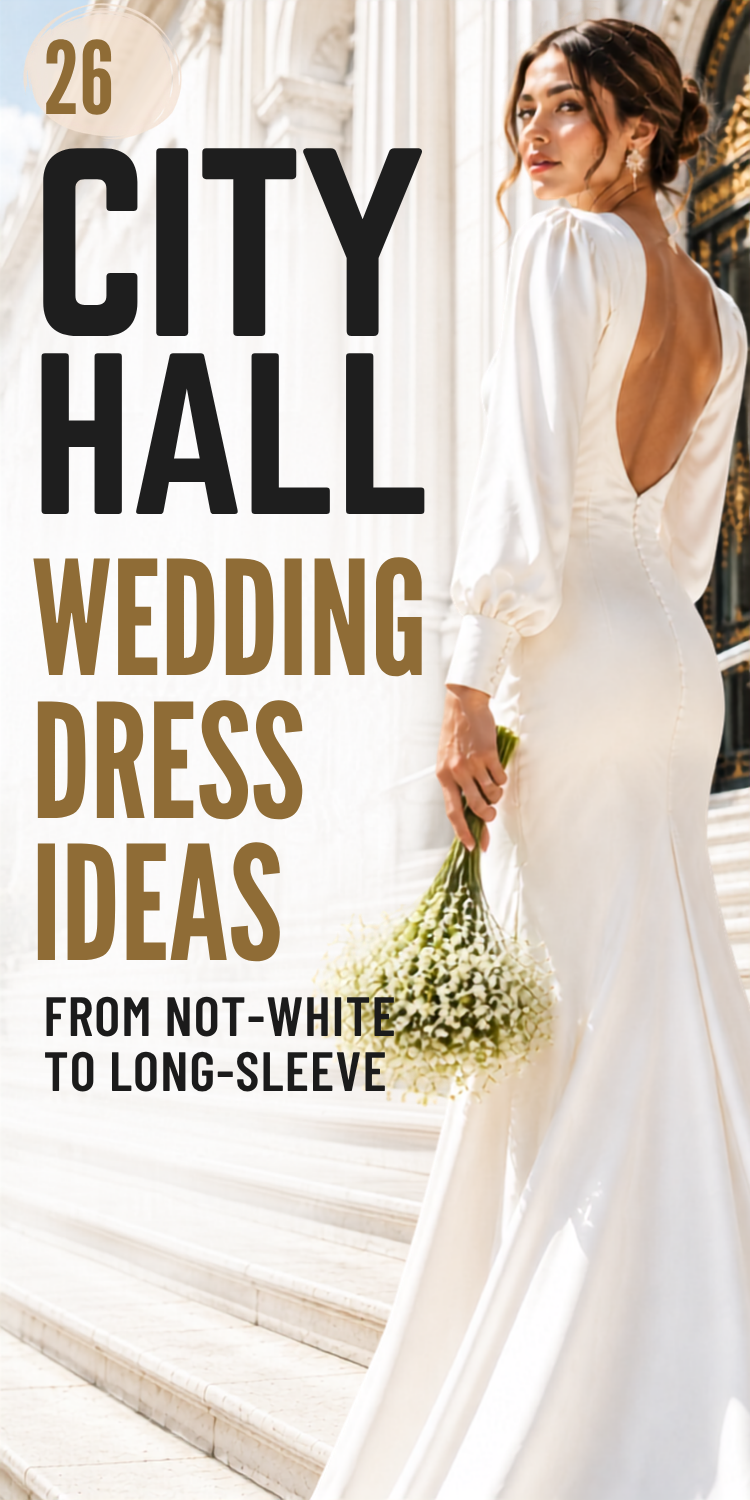
- Courthouse or city hall: Polished, walkable, camera-ready silhouettes that hold up under municipal lighting and city sidewalks.
- Civil ceremony: Streamlined, modern, fuss-free designs so you can stay focused on the moment.
- Elopement: Packable, wrinkle-resistant, weather-flexible fabric built for actual movement, especially if you’re hiking to your vows.
- Backyard: Breathable fabric, sit-and-eat-friendly fits, and grass-safe shoes like a good block heel.
Ready to go deeper on your specific venue? Skip the endless scrolling and head straight to the guides:
- Headed to city hall? Browse courthouse wedding dress ideas.
- Keeping it official? Check out civil wedding dresses.
- Escaping somewhere wild? See elopement wedding dresses.
Your dress should support the day you’re actually having, not the one on someone else’s Pinterest board.
Frequently Asked Questions
What is a casual wedding dress, really?
Forget the idea that casual means you threw on a random sundress. A casual wedding dress is about a relaxed, fuss-free feel and comfortable construction. It skips heavy corsetry, scratchy petticoats, and ten-foot trains, but it can still look completely intentional. It’s less about hem length and more about how the dress actually moves with you.
Can a casual dress still look bridal?
Absolutely. Add one or two classic bridal cues to anchor the look: a cathedral veil, a polished updo, a beautiful bouquet. Any of these instantly reads “bride” to your guests. Just remember the restraint rule. Too many heavy pieces on a simple dress starts to look like a costume instead of a look.
What fabrics work best for a hot outdoor wedding?
Go lightweight and breathable so you’re not trapping heat or showing sweat. Linen and cotton are breezy but wrinkle the second you sit down. Lightweight crepe, chiffon, and lace hold their shape better. Whatever you choose, do an opacity check first. Bright sun can turn a thin, unlined dress see-through fast.
Do I have to wear white or ivory for it to count as a wedding dress?
Not even a little. Your bridal identity comes from styling and intention, not a color swatch. Blush, champagne, floral prints, or bold colors all work beautifully. Navigating traditional family expectations? Try a classic white silhouette dressed down with colorful accessories, or a soft pastel that still feels celebratory.
How early should I start shopping for a casual wedding dress?
Give yourself three to four months. You’re skipping the traditional nine-month bridal salon timeline, but you still need a buffer for alterations, shoe shopping, and testing your undergarments. Ordering online? Build in a few extra weeks for size exchanges so you’re not stress-refreshing a tracking page the week of your wedding.
Where to go next
Ready to keep exploring? A few places to start:
- Keep it timeless with our favorite simple wedding dresses.
- Show some leg with these chic short wedding dresses.
- Go minimalist with slip wedding dresses.
- Ditch the skirt with modern, comfortable wedding jumpsuits.
Good job, dress-shopper. Good job.
Don’t forget to pin this to your Wedding Dresses Board for later!