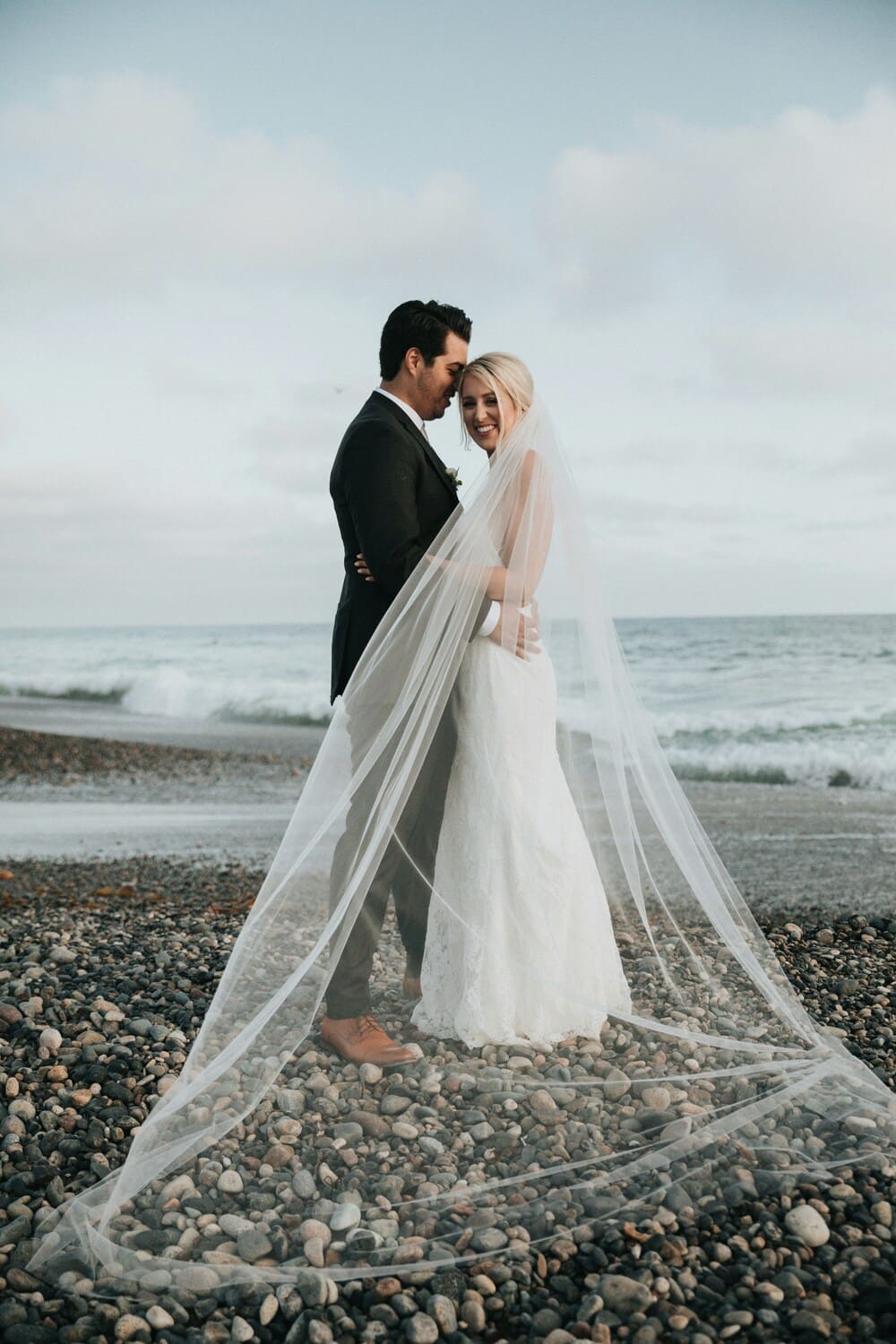
Sapphires come in more shades than most people realize before they start shopping: the deep navy that reads almost purple in certain light, the clear periwinkle of fresh ice, the pale cornflower blue that sits somewhere between blue and lavender. And that’s just blue — sapphires also come in yellow, green, orange, pink, and even clear. The settings range just as widely: Art Deco halos, minimalist solitaires, three-stone configurations with diamond sides, wide architectural bands. There’s no single “sapphire ring look.”
Whether you’re committed to sapphire or still deciding if a colored stone is right for you, these real wedding rings give you something concrete to look at — and link to the full wedding if you want to see how the ring fit into the rest of the day. For even more inspiration, browse our Real Weddings directory.
Our Favorite Sapphire Engagement Rings
First up: sapphire engagement rings spotted on real L&L weddings. Some brides went vintage and ornate; others wanted something clean and unfussy. The common thread: all of them chose blue on purpose. Scroll further for shoppable options.
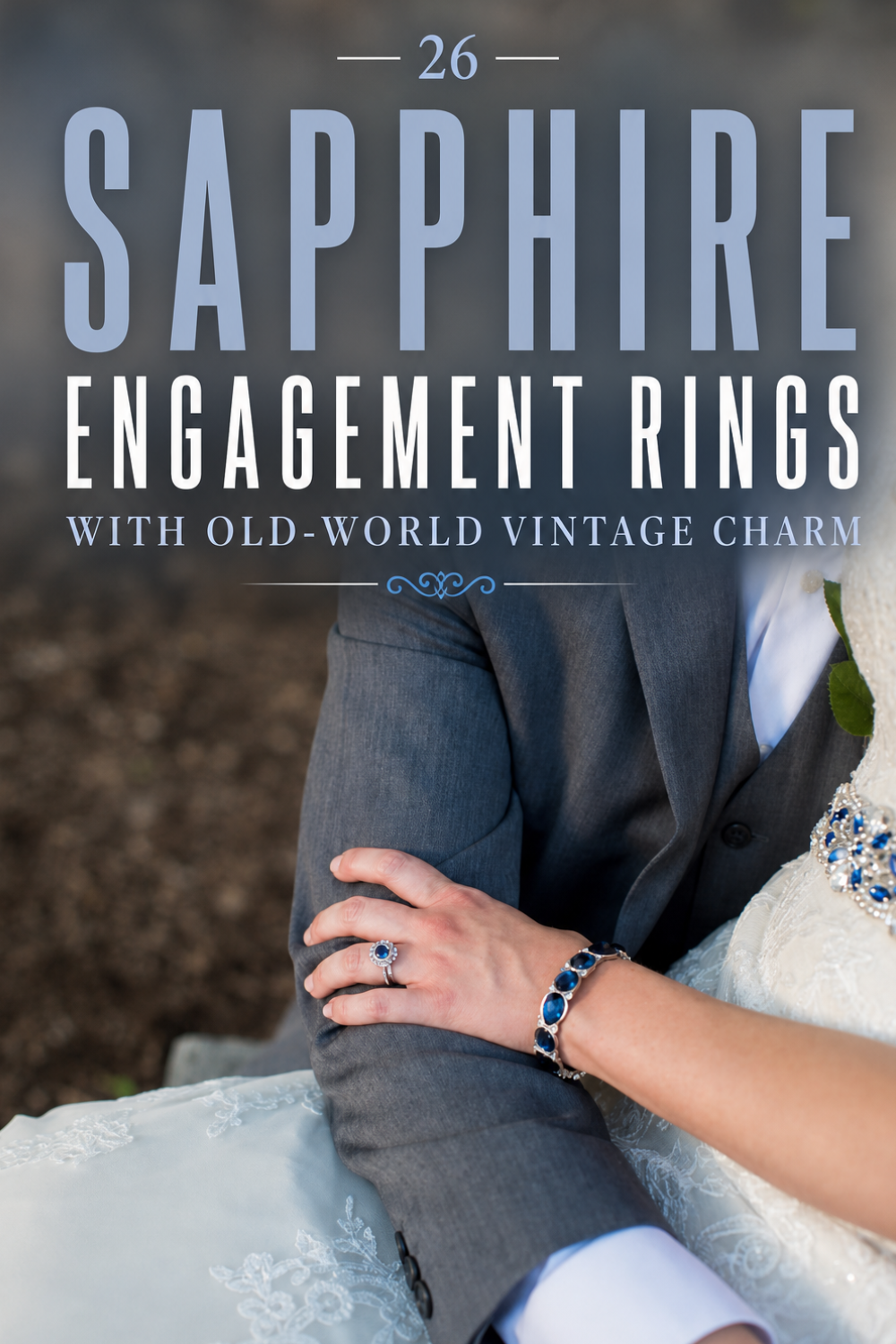
Round Blue Sapphire with Ornate Silver Filigree Halo
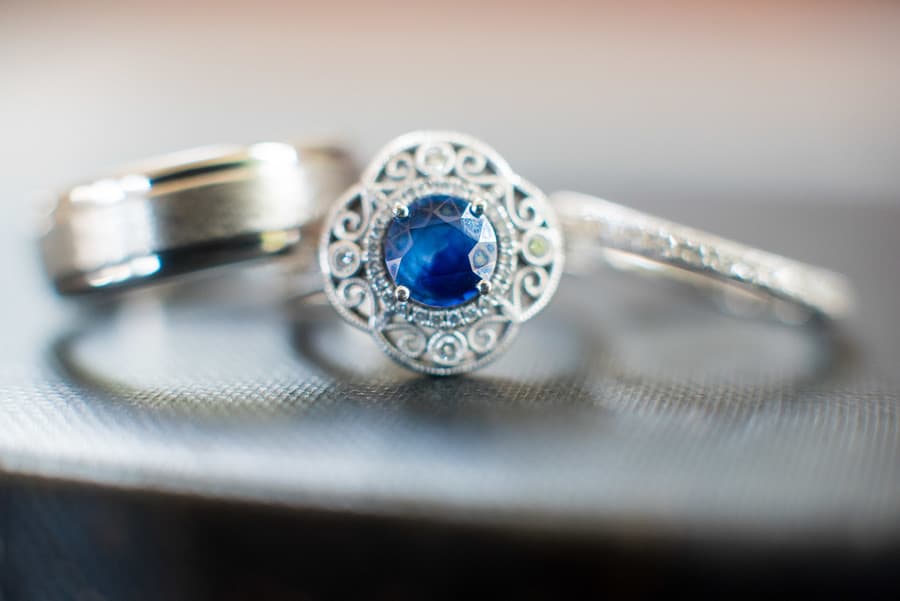

This ornate ring is all character — a deep blue round sapphire surrounded by intricate silver filigree with tiny diamond accents, paired with a slim diamond band. It reads vintage without being fussy, the kind of ring that stops conversations. Heidi wore hers with a matching sapphire bracelet for a fully committed blue moment that felt intentional rather than coordinated.
See Heidi and Bill’s Fairfax Library Wedding →
Vintage Navette Ring with 16-Sapphire Halo
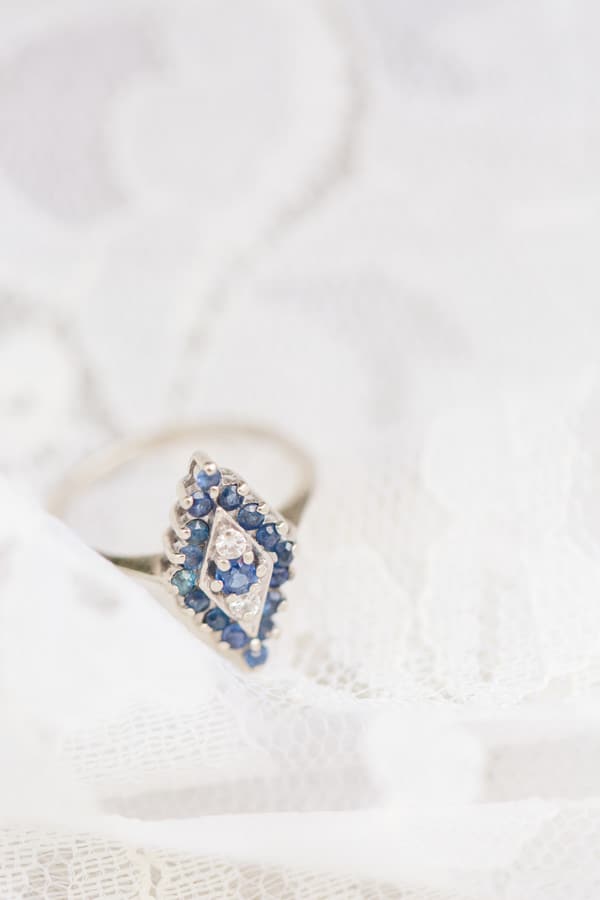
This marquise silhouette is the kind of ring that makes people pause mid-sentence. A round diamond sits at the center surrounded by 16 small blue sapphires arranged in a diamond shape, finished with delicate milgrain edging. It’s undeniably vintage in the best way — the kind of piece that looks like it came from a grandmother’s jewelry box but was made entirely for you. Erin wore it at her rustic summer wedding in Casper, Wyoming, where the coral-and-navy palette made it feel completely in context.
See Erin and Andy’s Wyoming Wedding →
Art Deco Diamond Center with Channel-Set Sapphire Halo
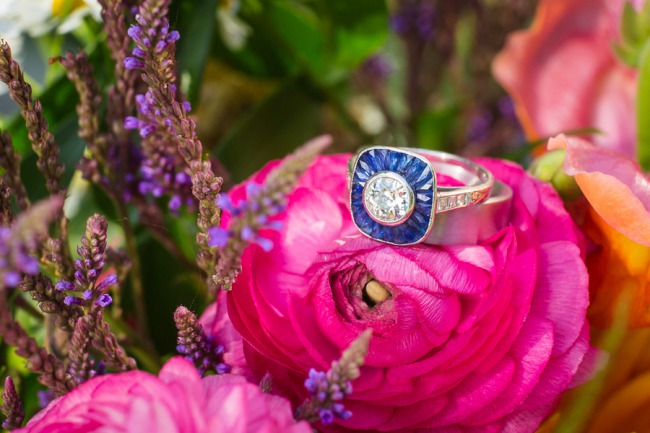
Geometric, graphic, and completely stunning — this Art Deco ring centers a round brilliant diamond inside a cushion frame of channel-set blue sapphires. The sapphires are angled inward like rays, which gives it that distinctly 1920s feeling without veering into costume territory. Carolyn photographed hers nestled into a hot pink ranunculus at her Vermont countryside wedding, which is honestly the only acceptable way to show off a ring this good.
See Carolyn and Fergal’s Vermont Wedding →
Deep Navy Sapphire with Pavé Diamond Halo
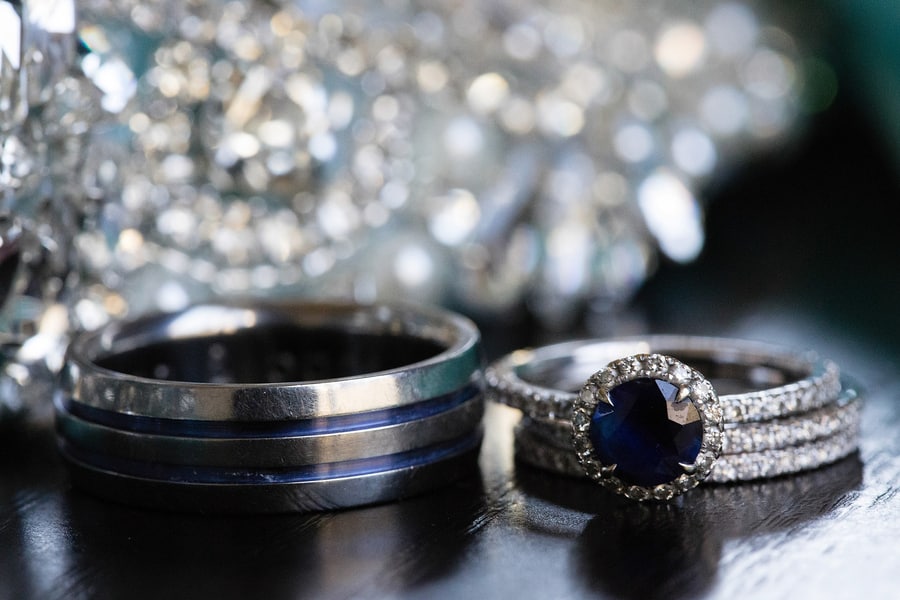
If you want the full “something blue” effect, this is it. A deep navy sapphire — almost indigo — sits in a round pavé diamond halo with a matching diamond pavé band. The contrast between the dark stone and the bright white diamonds makes the whole thing look lit from within. Vanessa wore hers at her rooftop celebration at the Oviatt Penthouse in downtown Los Angeles, and it probably competed with the city lights below. We’d call it a draw.
See Vanessa and Chance’s LA Rooftop Wedding →
Antique Flower-Shaped Ring with Sapphire Petals and Diamond Center
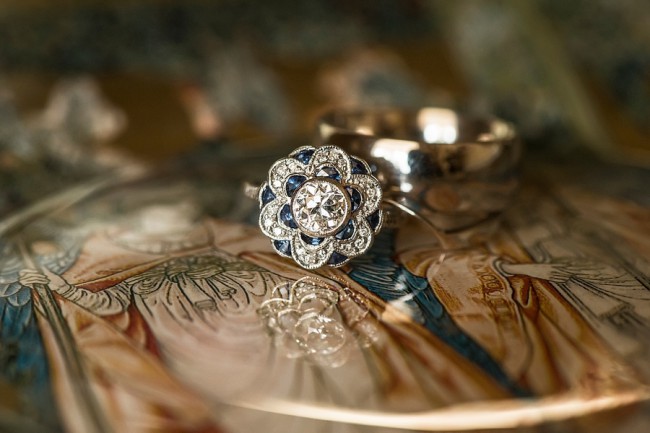
This ring is a whole story in miniature. A round diamond anchors the center, surrounded by blue sapphire “petals” shaped into a flower, with milgrain edging that gives every line a soft, handmade quality. It’s romantic without being fussy, and antique without looking fragile. Frances Marie wore hers at a 450-guest yacht club wedding in Pensacola — market lights, live band, the full production — and this delicate little ring held its own against all of it.
See Frances Marie and Nick’s Pensacola Yacht Club Wedding →
Simple Round Sapphire Solitaire in Rose Gold

Sometimes the most striking choice is also the simplest one. This round blue sapphire sits in a six-prong rose gold solitaire setting — no halo, no side stones, nothing to pull focus from the stone itself. The warm rose gold gives the blue a softness that white metal wouldn’t, making the whole thing feel simultaneously modern and quietly romantic. Jess photographed hers nestled inside a purple flower at her fall tent wedding in Massachusetts, and the color pairing was exactly as good as it sounds.
See Jess and Corey’s Massachusetts Tent Wedding →
Wide Gold Band with Cushion-Cut Light Blue Sapphire

This ring is for the bride who wants her jewelry to make a statement from across the room. A large cushion-cut light blue sapphire — somewhere between periwinkle and pale ice — sits flanked by two trapezoid-cut diamonds on a wide, sculptural gold band. The substantial band and the light color of the stone keep it from reading as heavy despite its scale. Jessie wore hers at her mountain resort wedding at Solitude in Utah, where the lavender-and-periwinkle palette made the whole choice feel inevitable.
See Jessie and Justin’s Utah Mountain Wedding →
Three-Stone Ring with Emerald-Cut Diamond and Sapphire Sides

This ring means business. An emerald-cut diamond anchors the center, flanked on each side by an emerald-cut blue sapphire — a three-stone setting that’s geometric, architectural, and borderline impossible to look away from. Every line is intentional: the cut, the stone shape, the way the sapphires mirror the diamond exactly. Brandy wore hers at her Great Gatsby-themed wedding at La Caille in Utah, a venue where “glamorous” barely covers it, and the ring still got noticed.
See Brandy and Ricardo’s La Caille Wedding →
Round Sapphire Bypass-Style Solitaire

This solitaire lets the sapphire do all the talking. A round blue sapphire sits in a bypass-style setting, where the band curves and overlaps under the stone rather than meeting in a plain shank — a subtle design detail that gives a classic solitaire more personality than it has any right to have. Jamie photographed hers on a baseball tied with a navy ribbon, a nod to the couple’s shared love of the sport that somehow made the ring look even better by contrast.
See Jamie and Brandon’s California Garden Wedding →
Cushion Diamond Center with Square Sapphire Side Stones

The engagement ring in this trio is a study in intentional color. A cushion-cut diamond takes center stage while two square-cut blue sapphires flank it on either side, with pavé diamonds continuing down the shank. It’s a modern interpretation of the classic three-stone, and the vivid blue side stones tie the whole look together rather than competing with anything. Kaitlyn wore hers at Château Morrisette Winery in Virginia, surrounded by vineyards and a blue-and-gray palette that made the choice look entirely planned.
See Kaitlyn and Shaun’s Virginia Winery Wedding →
Oval Blue Sapphire with Diamond Cluster Halo
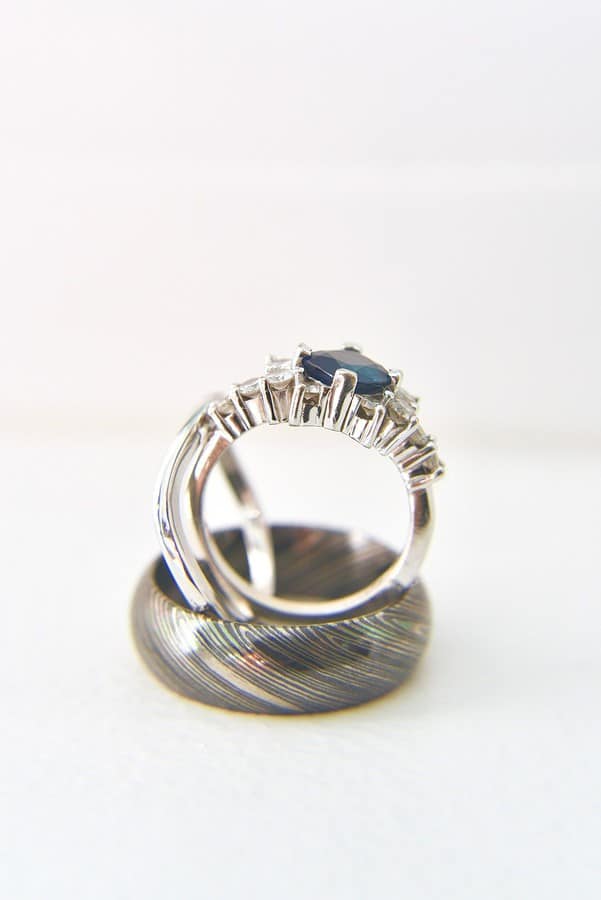
An oval blue sapphire with a close ring of small diamonds — simple in concept, striking when seen beside Gabe’s fingerprint band in Damascus steel, with its characteristic woodgrain patterning in dark metal. Two rings from completely different design traditions that somehow read as a pair. Katie and Gabe’s Midwest barn wedding in Noblesville gave both rings equal billing, and they earned it.
See Katie and Gabe’s Indiana Barn Wedding →
Dark Oval Sapphire Solitaire with Diamond Side Accents

This ring is quietly dramatic. A deep oval sapphire — nearly navy — sits in a delicate setting with small diamond side accents, the stone dark enough to look almost black in shadow and vivid blue in full light. Amanda wore this on a five-mile mountain hike through Grand Teton National Park to exchange vows at Taggart Lake with just her partner and their photographers. Nothing overdone survives a hike like that. This ring more than survived.
See Amanda and Ashton’s Grand Teton Elopement →
Sapphire Flower Cluster Ring with Matching Sapphire Eternity Band

This stack commits fully to blue. A sapphire flower cluster ring — petals formed from marquise-cut blue sapphires — anchors the top, while a sapphire and diamond alternating eternity band reinforces the color further down. The combination reads vintage without leaning too hard on any one era. For Dawn and Chris’s outdoor farm wedding in North Carolina, with its dusty miller florals and peach David Austin roses, the cool blue of the rings was exactly the right contrast.
See Dawn and Chris’s Morning Glory Farm Wedding →
18K Gold Lab Grown Sapphire Ring

This 18K gold lab-grown sapphire ring is a masterclass in combining tradition with a dash of modern eco-conscious flair. Its oval-cut sapphire measures a captivating eight by six millimeters, a bold statement that doesn’t need to shout to make its presence known.
Lab-grown gems offer all the dazzle without the ethical dilemmas. But don’t be fooled; this ring is no less luxurious for it. The deep blue stone catches the light with a brilliance that speaks of elegance but whispers sustainability, and the classic gold band grounds the whole look with timeless charm.
In a world of same-old diamond solitaires, this sapphire offers an unapologetically unique choice. Whether it ends up on your finger or theirs, it’s a nod to timeless elegance wrapped up in a cheeky, contemporary package. Trust me, it’s a standout in more ways than one.
Certified Unheated Ceylon Sapphire Ring
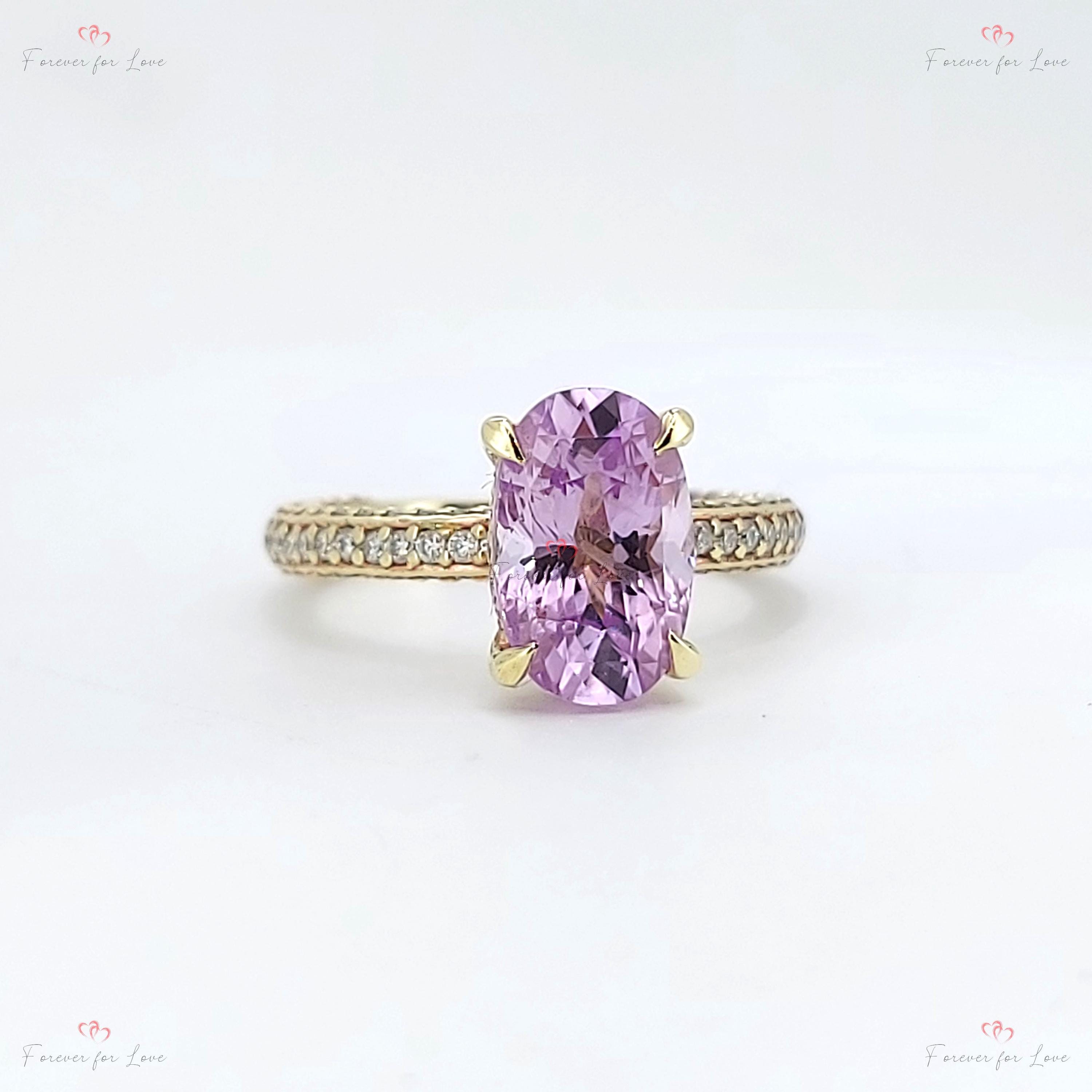
This certified unheated Ceylon sapphire ring is the real deal. A rare beauty that flaunts its natural grace without the cosmetic touch-up of heat treatment. Think of it as the effortlessly chic friend who skips the small talk and goes straight to the good stuff.
Why does this little gem matter? Because in the world of engagement rings, it’s the ultimate mix of unique character and traditional charm. The stone’s untouched brilliance speaks volumes—about you, your taste, and your knack for picking winners without needing the usual distractions.
Perfect for someone who knows that timeless doesn’t have to mean conventional. Whether it’s slipping onto their finger or yours, this sapphire is a bold statement in a sea of diamonds. Choosing it isn’t just an engagement; it’s an enlightenment. A subtle attempt at world domination, one untreated sapphire at a time.
Curved Pink Sapphire Tiara Band
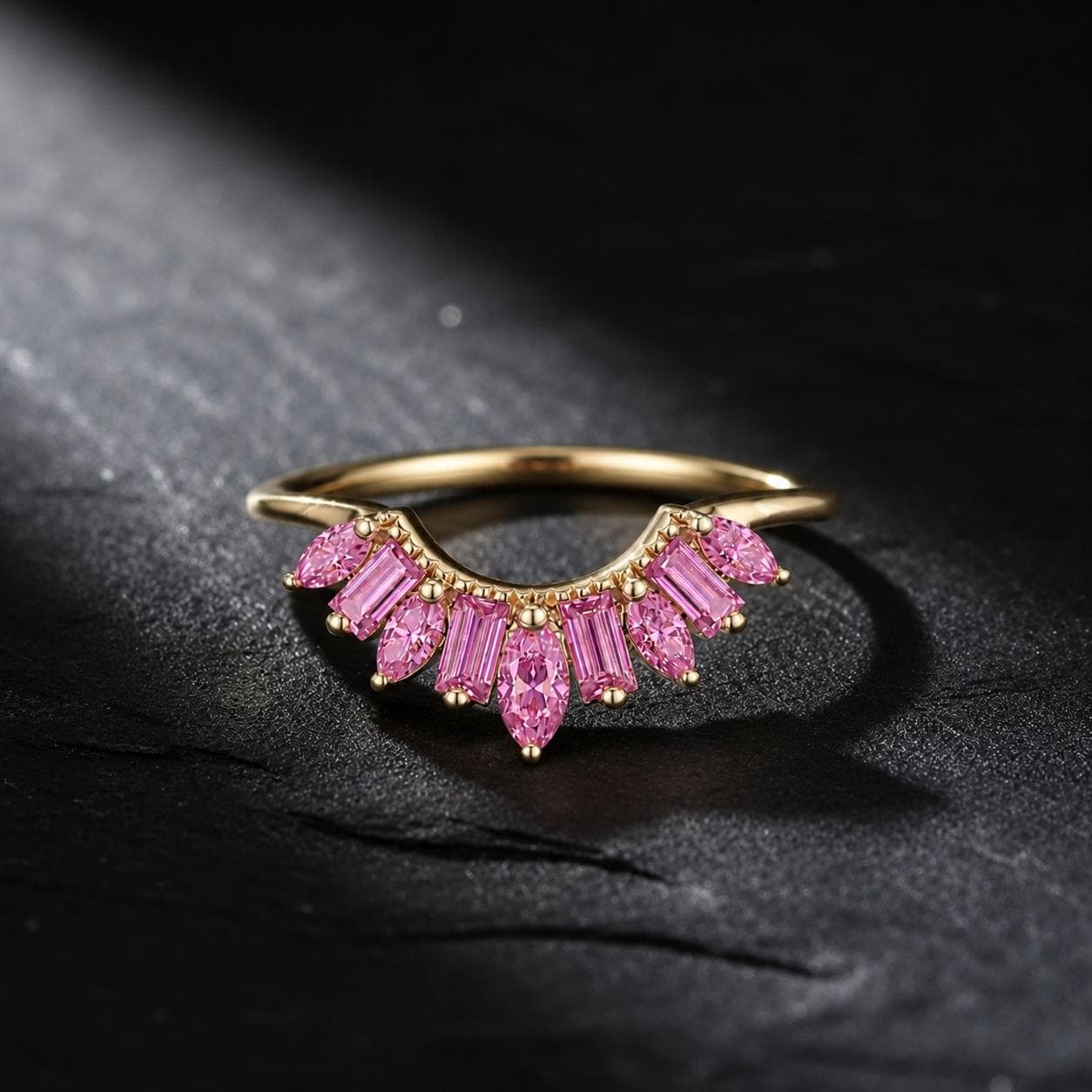
Curved and set with pink sapphires, this tiara band is the crown your finger actually gets to wear daily, royal responsibilities not included. The gentle arc hugs an engagement ring snugly, so the two sit flush against each other without gaps or awkward spacing. Clean, considered, and a little bit extra in the best possible way.
Pink sapphires are doing real work here. They bring color and personality to a silhouette that already has presence, and they sidestep the predictability of an all-diamond stack without trying too hard. This is the band for someone who looked at the standard options and wanted something with a bit more nerve.
Wear it paired with a solitaire or stack it solo when you want the tiara moment all to itself. The curve means it plays well with others, but it holds its own just fine too. If your jewelry collection has been missing something that reads equal parts refined and unexpected, this is a strong candidate.
Hand Forged Montana Sapphire Ring
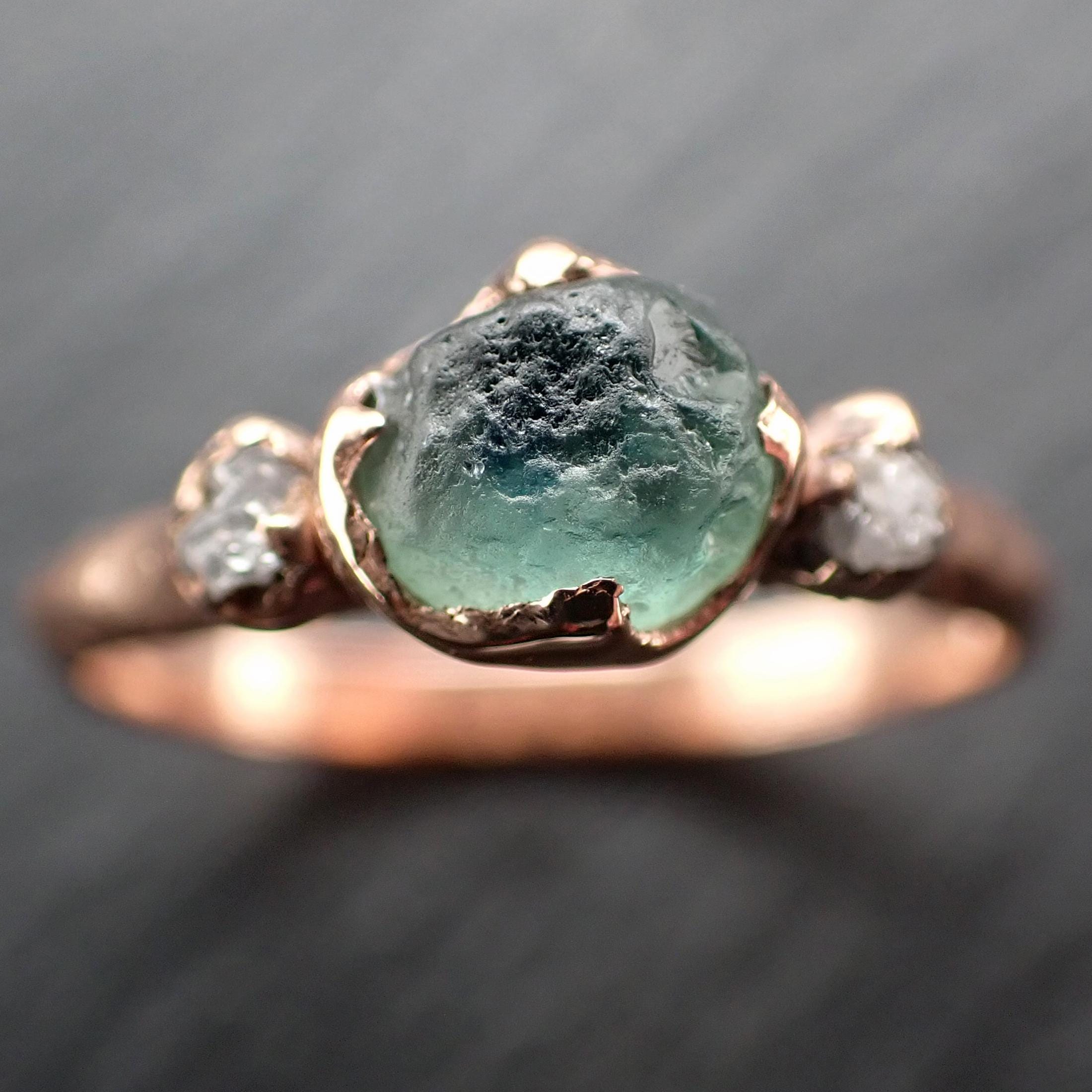
A hand-forged ring set with an unpolished Montana sapphire, raw and straight from the Treasure State. The stone skips the polish treatment entirely, so what you get is the gem as geology made it: rough edges, honest color, and none of the showroom gloss that makes every other ring look the same. Big Sky Country on your finger, basically.
Sapphires have been upstaging diamonds at engagements for centuries, and this one earns its place in that tradition. The unpolished cut brings out a color depth that a faceted stone would actually lose, and the hand-forged setting keeps the whole thing feeling like a one-off rather than a catalog pull. It is sustainably sourced, too, so the provenance is as clean as the design.
If the person you are buying for has strong opinions about everything and would quietly judge a solitaire diamond, this is the ring. It reads as considered, a little unconventional, and genuinely interesting. Exactly the qualities you want in something they will wear every day for the rest of their life.
Handmade Oval White Sapphire Engagement Ring
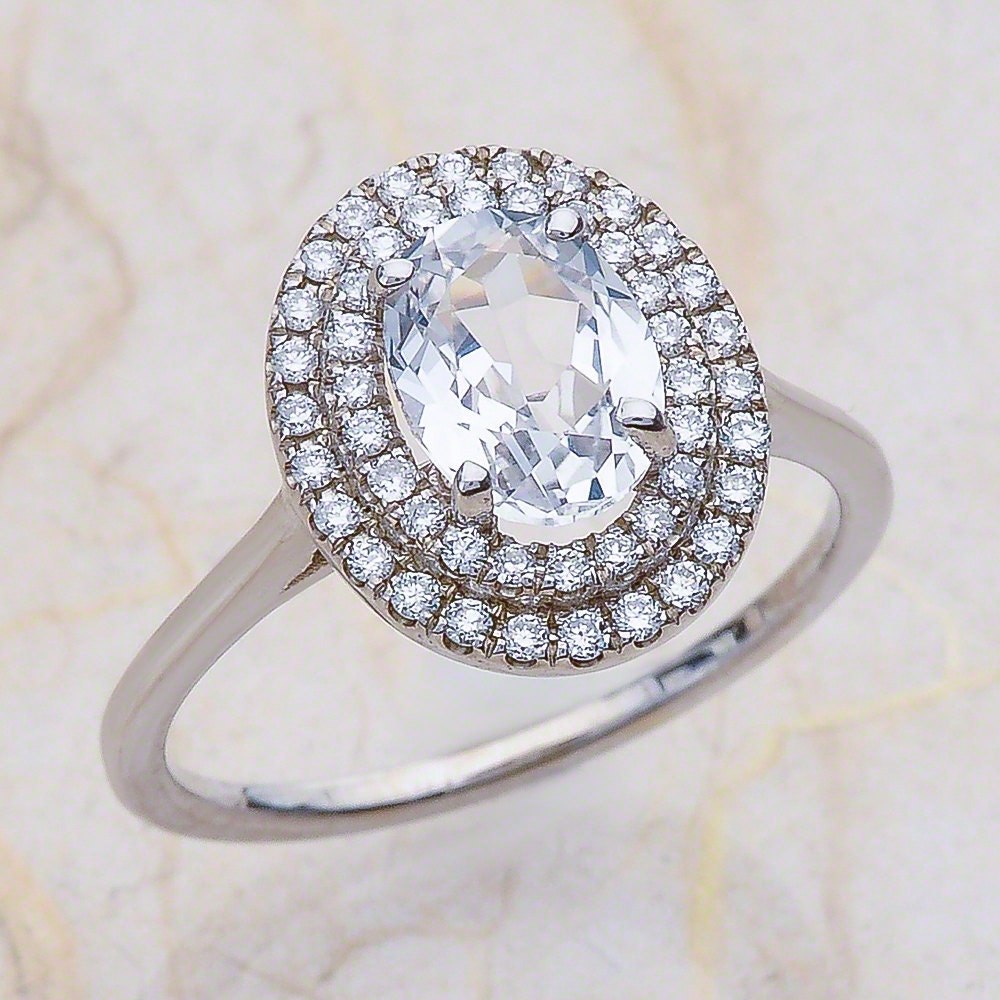
This handmade oval white sapphire engagement ring is all about understated elegance. The oval cut of the sapphire brings a modern twist to a classic stone, sitting flawlessly at the heart of a minimalist band. What’s more, each piece is crafted by hand, emphasizing the artisan’s touch – a rare commodity in the age of mass production.
For those looking to make a statement without shouting, the unique, handcrafted nature of this ring says it all. The white sapphire is a refreshing departure from the traditional blue, offering a clean, crisp sparkle that dances with the light without stealing the show. Perfect for those who appreciate the beauty of simplicity infused with a bit of personality.
In a sea of generic engagement rings, this piece stands as an homage to individuality. This sapphire beauty says you appreciate quality and have a sly appreciation for the unique and unexpected.
Lab Grown Sapphire And Diamond Ring
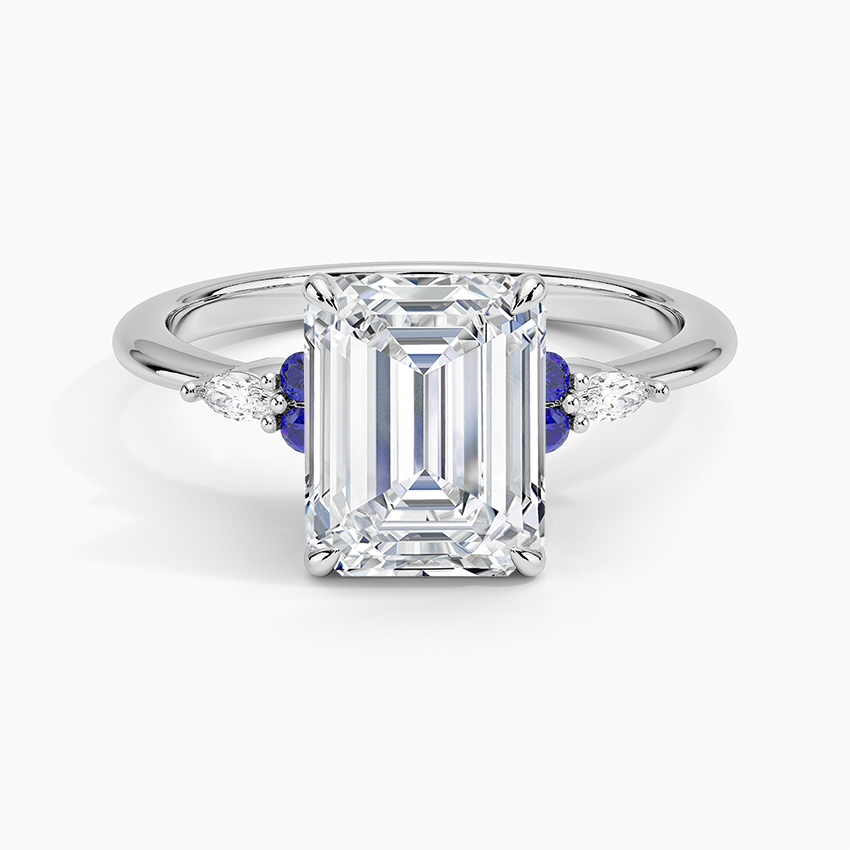
An emerald-cut sapphire doesn’t just sit on this ring – it dominates, flanked confidently by dazzling side diamonds that catch the light in every way you’d want them to. This lab-grown sapphire and diamond combo is a marriage of modern ethics and classic glam, without the guilt of traditional mining.
Why go for lab-grown? Because this isn’t your grandma’s sapphire. It’s the eco-conscious answer to luxury, still as brilliant but with a smaller carbon footprint. The icy, rich blue hue of the sapphire brings a contemporary edge while whispering all those timeless virtues sapphires are known for.
This ring isn’t just a piece of jewelry; it’s a statement. Whether it’s marking an engagement or a personal milestone, it offers that perfect blend of conscientious choice and unabashed style. A ring that says, “I’m here, I’m fabulous, and I care about the planet,” without saying a word. Now that’s a conversation starter.
Lab Grown Sapphire Secret Garden Ring

Imagine a sapphire that’s as eco-friendly as it is exquisite. This Lab Grown Sapphire Secret Garden Ring features a stunning sapphire, responsibly sourced and gorgeously blue. With its vivid hue nestled between delicate side diamonds, this gem commands attention while staying true to sustainable values. The secret garden design whispers timeless elegance in a world full of cookie-cutter trends.
Choosing lab-grown means you get all the sparkle without the ethical dilemmas—win-win, right? It’s not just a ring; it’s a statement of who they are or who you want to be, blending tradition with a cheeky, modern twist. This one’s for the person who doesn’t just follow trends but sets them.
Whether destined for their hand or yours, this ring offers a chic detour from the usual. It plays with classic elements but keeps it fresh, making it perfect for anyone ready to embrace color and character. Here’s to a ring that’s as bold as your love story.
Oval Sapphire Double Halo Ring
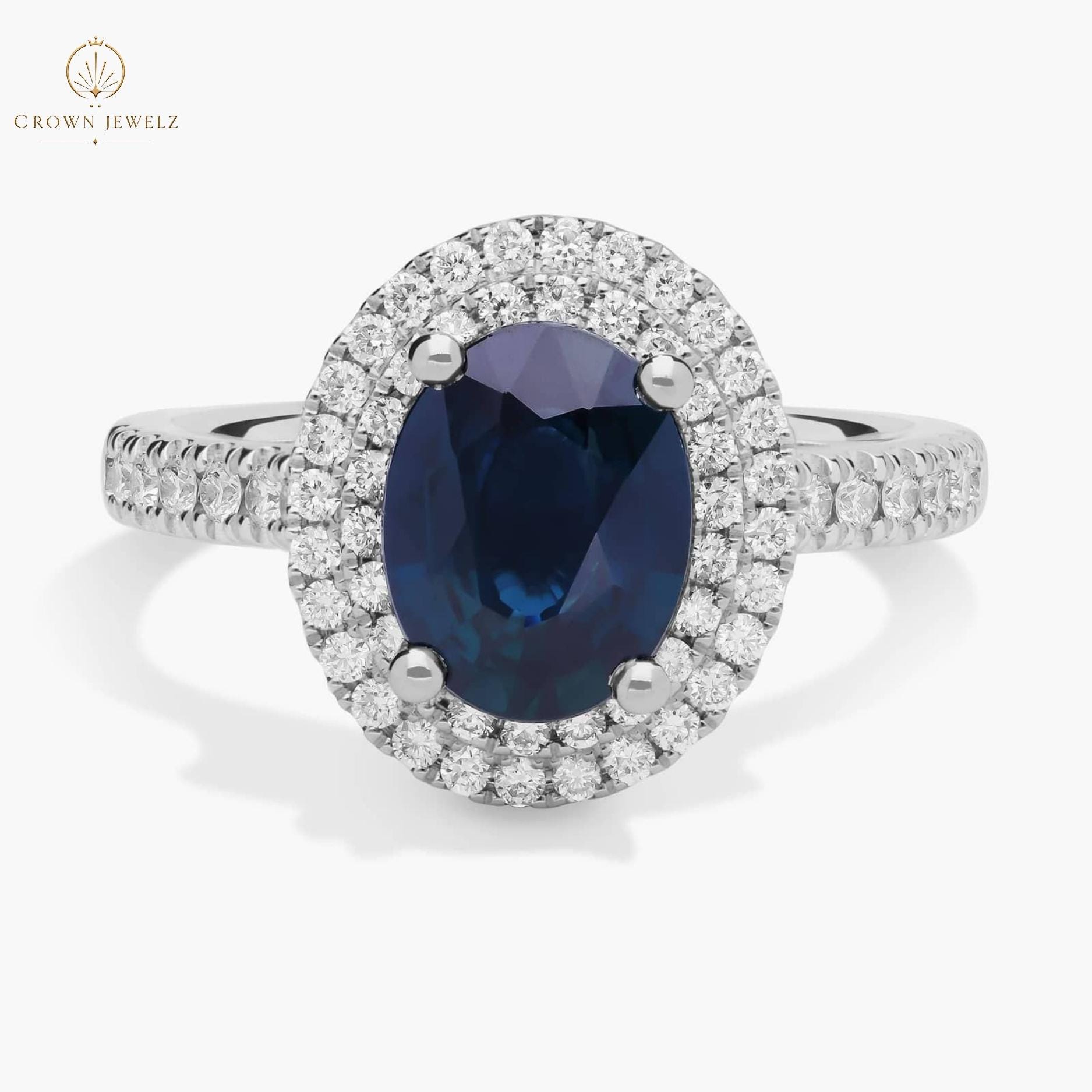
Oval sapphire, check. Double halo of diamonds, check. Extravagance that whispers rather than shouts? Absolutely. This ring is the gemstone equivalent of a perfectly mixed cocktail: a classic with a twist. Sapphires aren’t boring blue pebbles. They’re the grown-up choice for people who actually know their stones.
Sapphires are tough, not “start-a-bar-fight” tough, but more “withstand-the-test-of-time” tough. They’ll handle whatever life hurls your way without losing their composure. The double halo isn’t about piling on the glam. It gives the central sapphire the spotlight it earns, a little show-off energy that’s entirely justified given the company it keeps.
This ring has a vintage pull without feeling like a relic. It sits in that rare zone where old-world elegance and something genuinely modern coexist without fighting each other. The kind of piece you pick when you want a gem with actual character, not just a pretty face on your finger.
Rose Gold Lab Grown Sapphire Ring
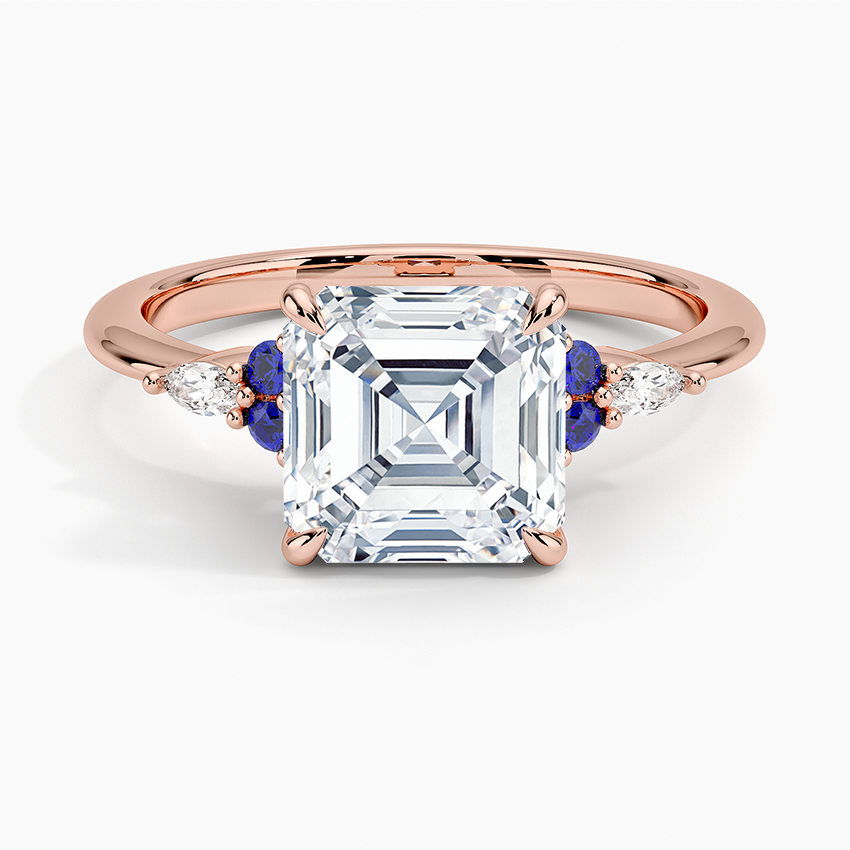
The Rose Gold Lab Grown Sapphire Ring is where elegance meets innovation. With an Asscher-cut sapphire, it boasts sharp, geometric lines that play with light like a pro. This isn’t just any blue stone; it’s a sustainable fashion statement wrapped in rosé-colored metal.
This ring’s charm is in the details. It’s lab-grown – yes, science is cool – which means it’s guilt-free sparkle without the mining backstory. Perfect for anyone who wants their bling to reflect their values and taste. Guilt-free shopping never looked so good.
Unleash your inner rebel by choosing something beyond the traditional diamond path. This sapphire ring is for those who appreciate beauty with a modern twist. Whether you’re planning a grand proposal or just showing a little love for your own finger, it’s a stunning nod to personal style.
Rose Gold Lab-Grown Sapphire Ring
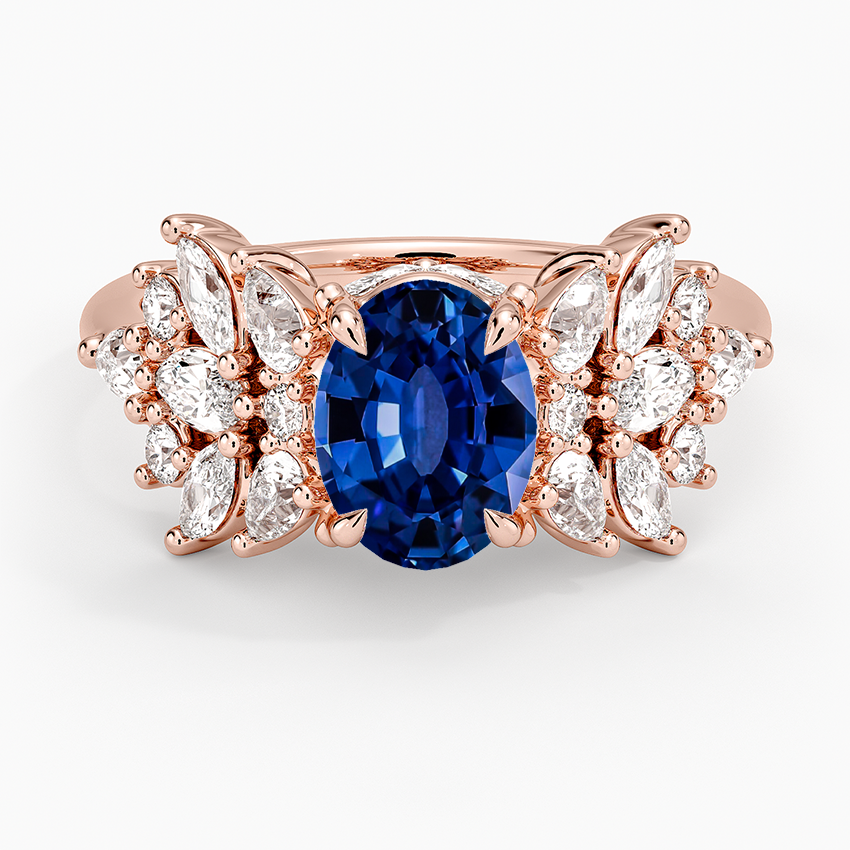
A rose gold band cradles an oval lab-grown sapphire, bringing a modern twist to a classic narrative. The 8x6mm sapphire is the star here, turning the ordinary into everyone’s new favorite conversation piece.
Lab-grown stones are the friend you didn’t know you needed—eco-friendly and ethically sourced, without the ethical headache. This means you get to enjoy all the sparkle with none of the guilt.
This ring embodies timeless elegance with a hint of rebellion. For those daring enough to stray from diamonds, it’s a sincere yet cheeky nod to individuality. Whether it finds a place on your hand or someone else’s, this ring harmonizes tradition with a contemporary zing.
Victorian Emerald Cut Teal Sapphire Ring
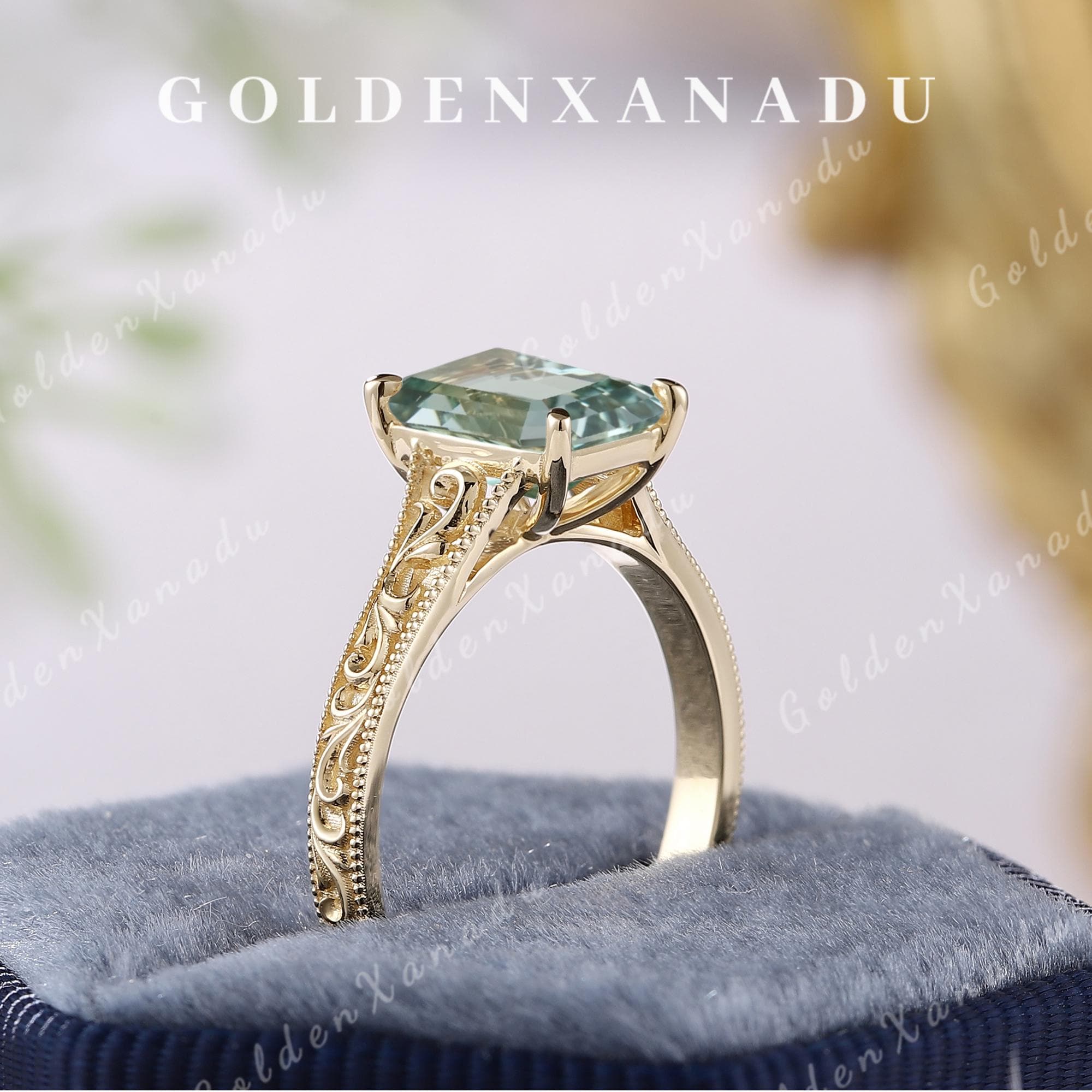
The emerald cut on this Victorian teal sapphire ring isn’t playing around—it’s the showstopper. Crafted with the precision of a Victorian architect who decided teal sapphire should be their muse, this ring balances history with an unexpected splash of color. It’s a piece that whispers stories of old while shouting from the rooftops, “Look at me!”
This gem doesn’t just sit pretty; it demands attention. The teal hue dances between blue and green depending on the light, making it the perfect companion for someone who considers subtlety as interesting as watching paint dry. If you’re into gemstone conversations that start without words, this ring is your new best friend.
For anyone ready to stray from the diamond herd, this ring offers a detour that’s more scenic than contrived. It’s about embracing character, uniqueness, and the audacity to wear a bit of history with a contemporary twist. Whether gifting it to someone special or upgrading your own collection, this ring’s not just a nod to elegance—it’s a full bow.
Elongated Cushion Lab Grown Sapphire Ring
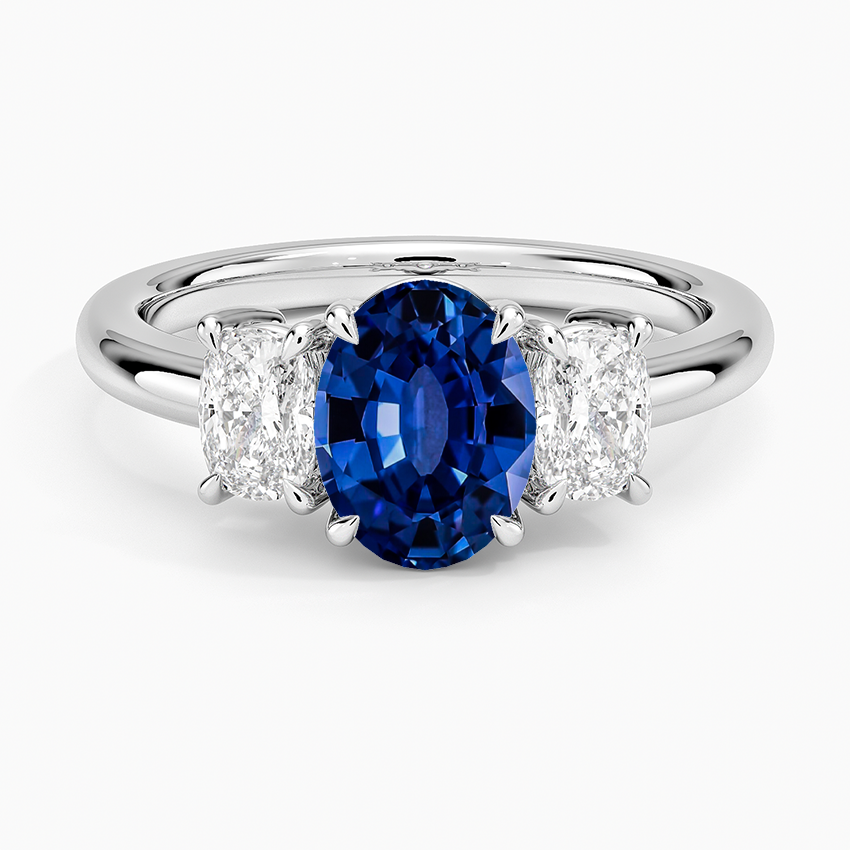
An elongated cushion lab-grown sapphire takes center stage in a setting that feels like the best kind of secret. This vivid blue beauty measures a captivating eight by six millimeters, perched between delicate side diamonds, catching light in all the right ways.
What sets lab-grown gems apart is their eco-friendly charm, bringing all the sparkle without the ethical quandaries. This ring is the quintessential choice for those who love tradition with a modern twist. The sapphire’s saturated hue makes a statement—without the need to say a single word.
In a world where everyone seems to be following the same ring trends, this piece offers a refreshing detour. It’s both classic and unabashedly distinct. Whether it’s destined for their hand or yours, this sapphire ring is a nod to timeless elegance with a cheeky, contemporary wink.
Lab Grown Elongated Cushion Sapphire Ring
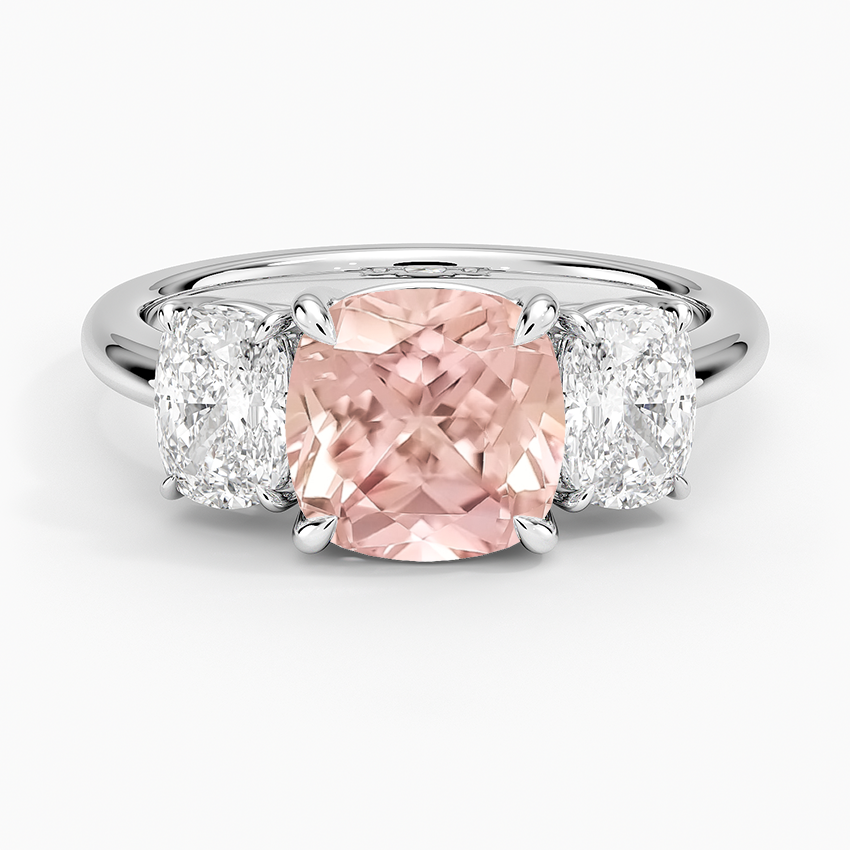
Crafted from lab-grown sapphire, this elongated cushion-cut ring offers a gem that’s both responsibly sourced and stunningly blue. The unique elongated cushion shape brings an elegant twist that stands out from traditional cuts, while keeping that romantic, softly squared spirit intact.
Why go lab-grown? Because the sparkle is guilt-free, and your wallet sighs in relief. The sapphire is eco-conscious, but no less glamorous. Topped with a halo that dances with the light, it’s designed to catch those admiring glances time and again.
This ring isn’t just jewelry; it’s a conversation starter. Perfect for them (or you, because self-love is real) who wants a dash of color and ethical flair. With its eye-catching design, it’s the kind of ring that boldly whispers classy sophistication while marching confidently off the beaten bridal path.
FAQs
Are sapphire engagement rings durable enough for everyday wear?
Sapphires rank 9 on the Mohs hardness scale, just below diamonds (which are 10), making them an excellent choice for daily wear. They’re harder than most other gemstones, highly resistant to scratching, and can withstand heat, light, and chemicals without damage. The only natural gemstone that could scratch a sapphire is a diamond. The main thing to watch is the setting: prong-set stones can loosen over years of wear, so have yours checked and tightened by a jeweler every year or two.
What shapes do sapphire engagement rings come in?
The most common shapes are oval, round, cushion, and emerald cut — and unlike diamonds, sapphires aren’t cut to a standard set of proportions. Each stone is custom cut to show off its best color and brilliance, since sapphires vary so much in density and hue that a one-size-fits-all approach would waste the stone. There’s no grading lab standard for sapphire cut the way there is for diamonds; jewelers set their own benchmarks, focused on transparency and depth of color rather than geometric ratios.
Does a sapphire’s carat weight look the same as a diamond’s?
No — sapphires are denser than diamonds, so a one-carat sapphire will look slightly smaller than a one-carat diamond at the same weight. A better way to compare size is by measuring the stone’s diameter in millimetres: as a rough rule, a one-carat sapphire measures about 6mm across. When shopping, ask for measurements in mm rather than carat weight alone so you’re comparing actual visual size.
What metal pairs best with a blue sapphire?
It depends on the shade of the stone. Deep navy and midnight sapphires tend to look stunning against white gold or platinum, which sharpens the contrast between stone and metal. Lighter sapphires — cornflower blue, periwinkle, pale ice — can look beautiful in rose gold, which adds warmth without competing with the cool tone. Yellow gold works particularly well with vintage-style settings, where the warmth of the metal reinforces the antique quality of the design. Several rings in this gallery show all three approaches.
How do I evaluate sapphire color when shopping?
Three things to assess: hue, tone, and saturation. Hue is the actual color — blue sapphires can range from slightly purplish-blue to slightly greenish-blue, and a stone with a pure, dominant color and only faint secondary hues will be the most valuable. Tone is how light or dark the color reads; aim for medium to medium-dark — lighter stones look washed out, very dark ones look inky and lose their brilliance. Saturation is how free the color is from grey or brown interference; “vivid” or “strong” saturation means the color is clean and pure. Unlike diamonds, sapphires have no standardized grading scale, so use your eyes and buy from a jeweler you trust.
Are most sapphire engagement rings heat treated?
Yes, and that’s fine. The vast majority of sapphires on the market have been heat treated to improve color and clarity — it’s a standard, permanent process that requires no special care afterward. A ring labeled “heat treated” isn’t lesser quality; it’s just honest. Some sapphires undergo other treatments like infusion with colorless oil, resin, or wax to improve clarity; those may need more careful maintenance, so ask specifically what treatment was used. What commands a significant price premium is an untreated sapphire with naturally beautiful color and clarity — rare enough that the price difference is usually obvious. Ask your jeweler to disclose treatment history in writing.
Do sapphires have inclusions?
Almost all of them, yes — and unlike diamonds, where inclusions are considered a flaw, inclusions in a sapphire are actually proof the stone developed naturally underground. A completely flawless sapphire is extremely rare and commands an extraordinary price. Most sapphires on the market have some degree of inclusion, usually invisible to the naked eye, and that’s perfectly normal. If a stone is priced suspiciously low and appears perfectly clear, ask questions.
Can a sapphire engagement ring be stacked with a wedding band?
Yes, though it takes a little more intentionality than with a diamond solitaire. A plain metal band pairs with almost anything. If you want a diamond band, look for one with smaller stones so it doesn’t visually compete with the sapphire. Some couples choose a band with sapphire accents to pull the look together — a few of the sets in this gallery show exactly that approach, including stacked rings where the sapphire color runs through both pieces.
Do sapphire engagement rings hold their value?
Natural, untreated sapphires with strong color saturation hold or increase in value over time, particularly those certified by GIA or AGL. Heat-treated natural sapphires are more affordable and still beautiful, but they don’t command the same resale premium. Lab-grown sapphires are the most affordable entry point but don’t typically appreciate. Whichever you choose: get documentation of the stone’s origin and treatment history before you buy.
Is a sapphire engagement ring too unconventional?
Sapphires have been used in betrothal rings for centuries — the diamond engagement ring is largely a 20th-century marketing phenomenon. Sapphires specifically have long been associated with fidelity and trust, which makes them a much older symbol of commitment than most people assume. More practically: it’s your ring, you’ll wear it every day, and the couples in this gallery all seem to have made the right call. “Too unconventional” isn’t really a category that applies to something you’re going to wear for the rest of your life.
Don’t forget to pin this to your Rings Board for later!