That is one reason interactive dining experiences are becoming an interesting alternative to traditional plated dinners and buffet lines, especially for intimate weddings, backyard receptions, rehearsal dinners, and destination-style celebrations.
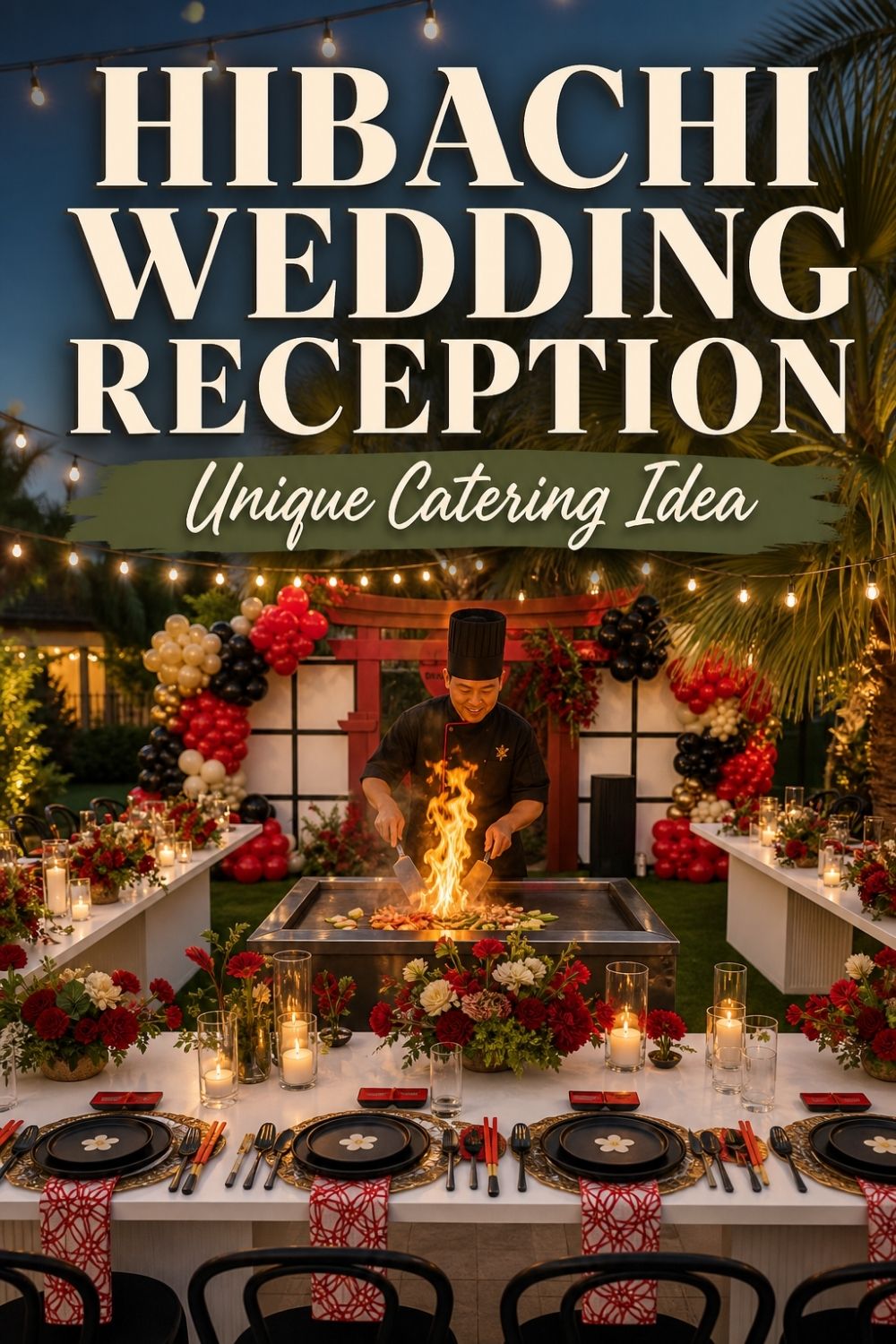
One option that naturally combines food and entertainment is a live hibachi experience.
Instead of preparing dinner out of sight in a catering kitchen, a hibachi chef cooks directly in front of the guests. The sounds of the grill, the flames, the food, and the chef’s interaction with the group turn the meal into an experience everyone shares.
For couples who want their reception to feel relaxed, social, and a little unexpected, hibachi can make dinner feel less like a scheduled wedding formality and more like one of the highlights of the evening.
Why Hibachi Works Especially Well for Interactive Weddings
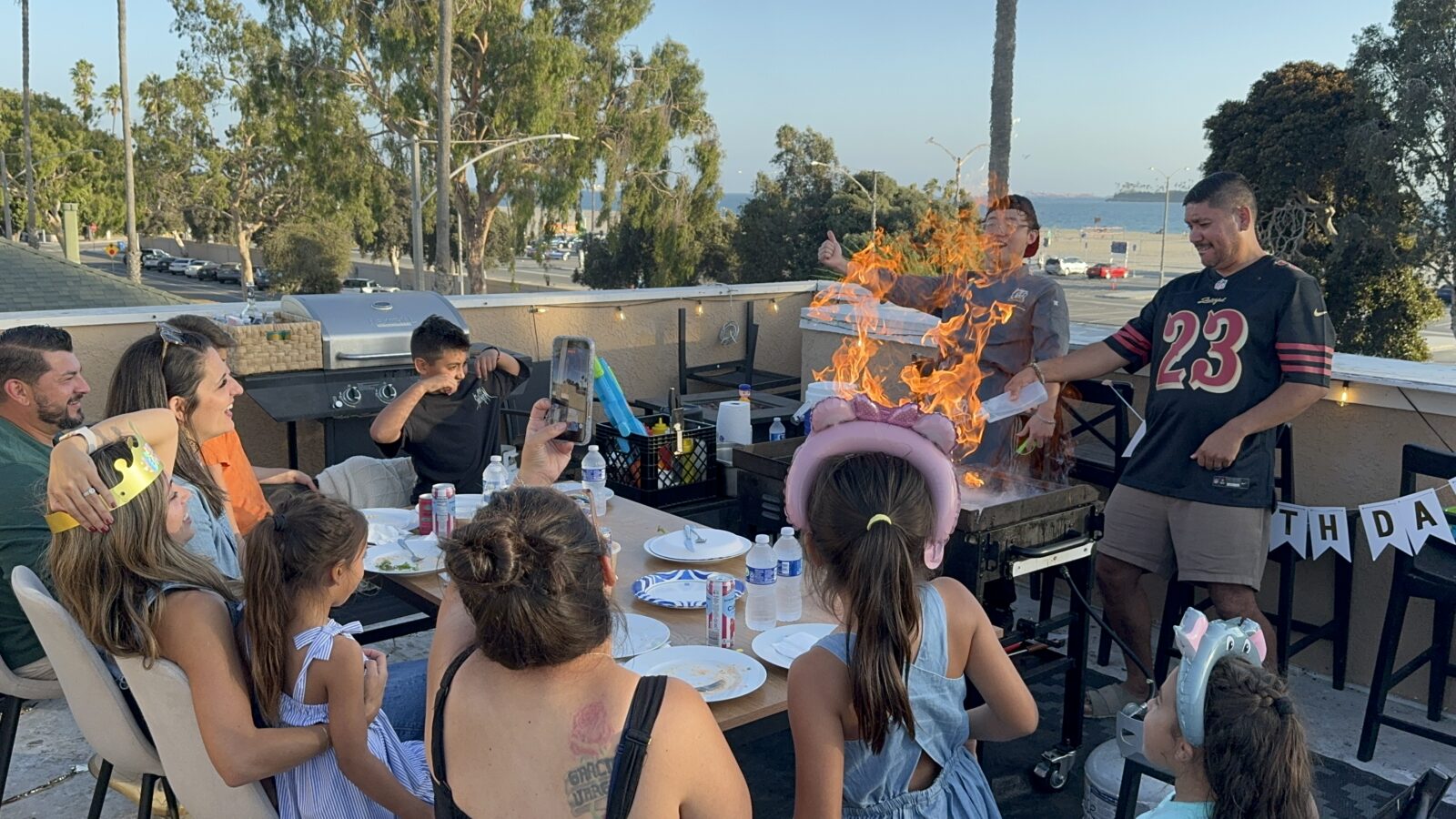
Traditional wedding catering usually separates dining from entertainment.
Guests sit down, food is served, plates are cleared, and then attention shifts back to speeches, music, dancing, or other activities.
Hibachi changes that rhythm because the cooking itself becomes part of the entertainment.
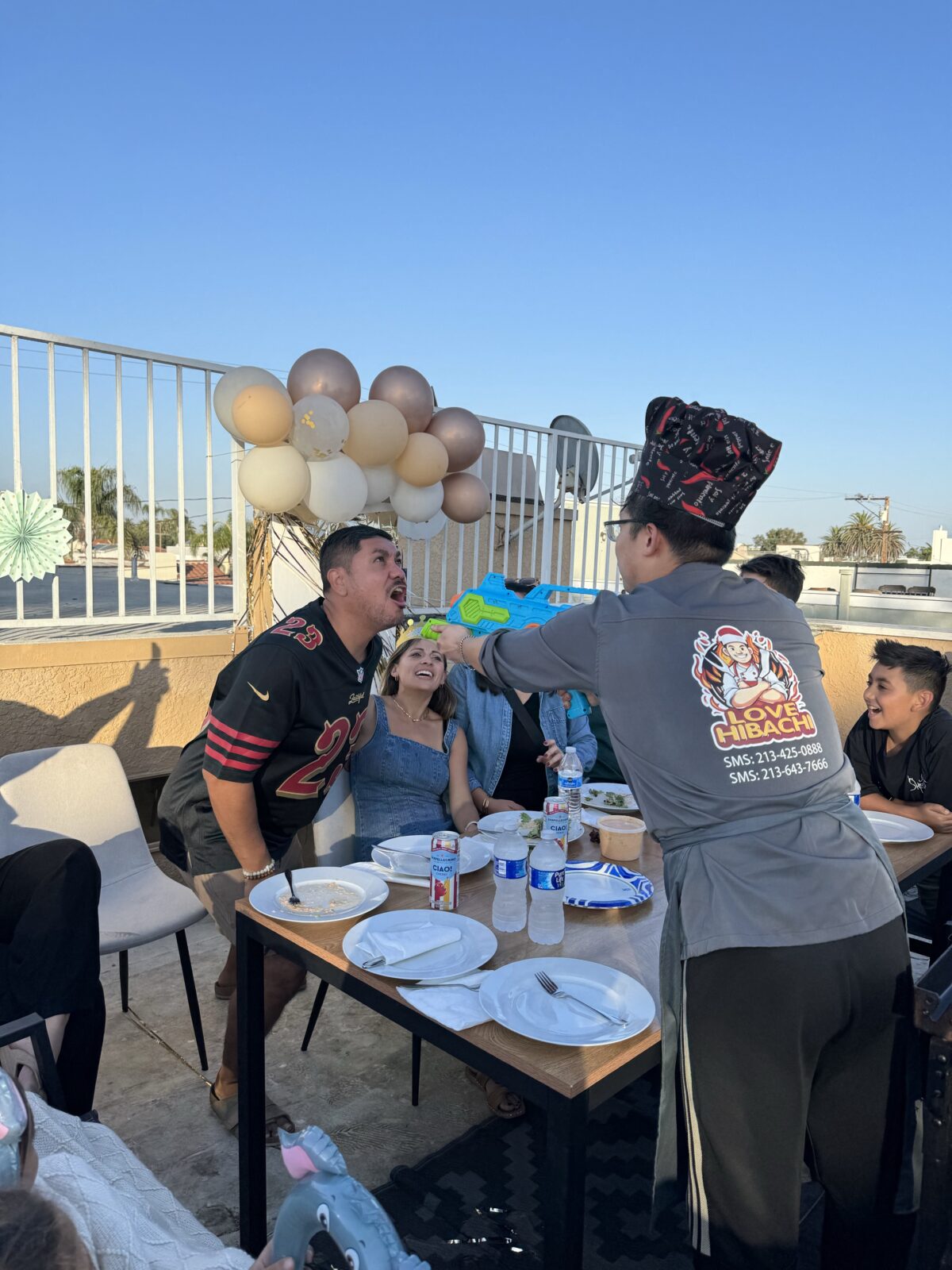
Guests can watch their meals being prepared in front of them while interacting with the chef and with each other. Depending on the style of the event, the experience may include familiar hibachi elements such as an onion volcano, flame demonstrations, food tossing, and playful chef interactions.
This can be particularly effective at weddings where many guests do not already know one another.
Instead of relying entirely on assigned seating and small talk to break the ice, everyone around the hibachi area has something happening in front of them to react to together.
The result can feel more like a shared experience than a conventional catered dinner.
It Is Not Just for Traditional Wedding Receptions
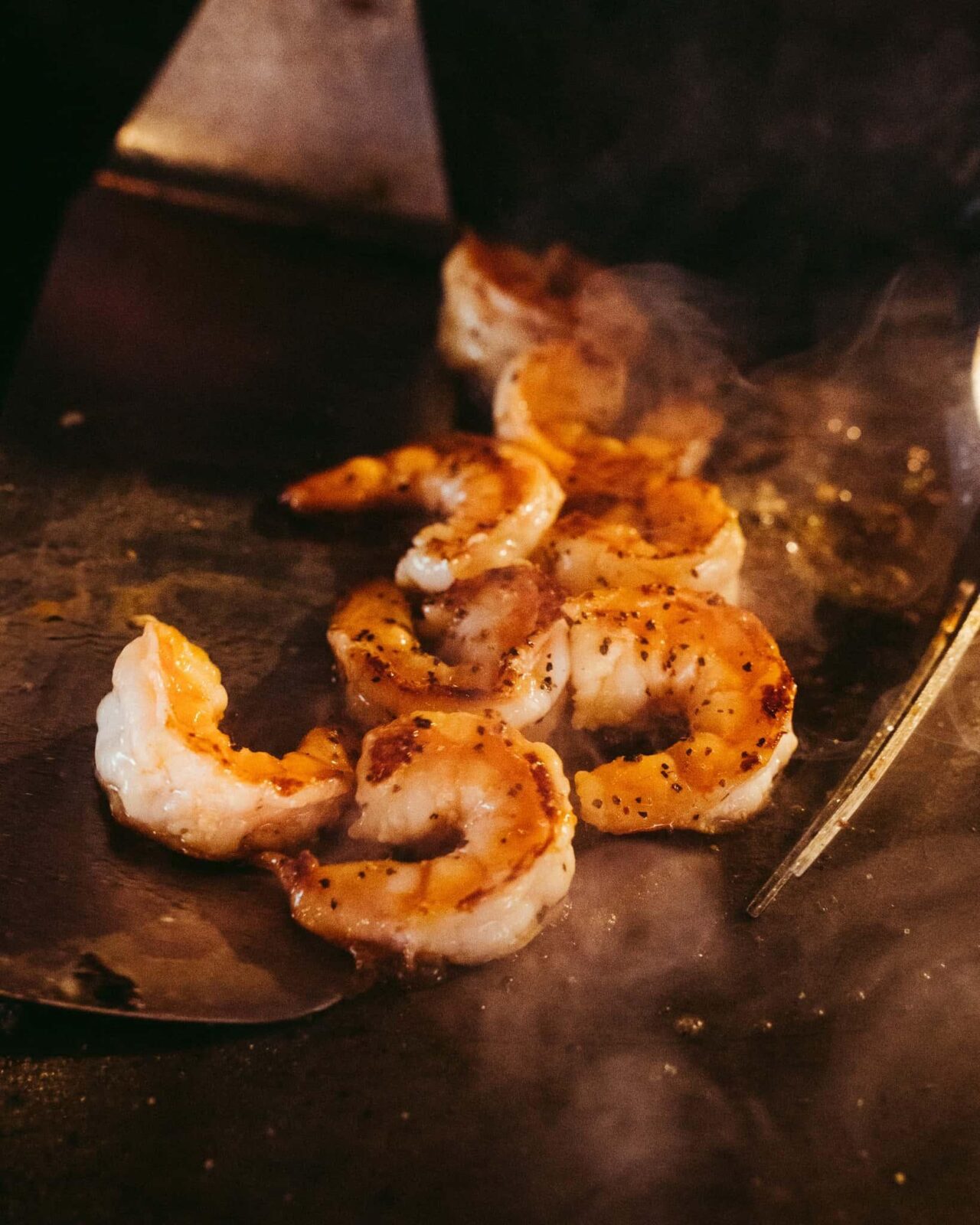
A hibachi setup does not necessarily have to replace the main wedding dinner.
It can work in several parts of the wedding weekend.
For example, couples could consider it for:
- A backyard wedding reception
- An intimate wedding dinner
- A rehearsal dinner
- A welcome party for out-of-town guests
- A post-wedding gathering
- A bachelor or bachelorette weekend dinner
- A casual day-after celebration
For smaller weddings, hibachi can become the central dinner experience.
For larger celebrations, it can also inspire a more casual or interactive portion of the event, depending on the venue, guest count, chef capacity, and catering setup.
This flexibility is one reason the format is particularly well suited to couples who are moving away from highly formal receptions.
Think About the Space Before Choosing the Menu
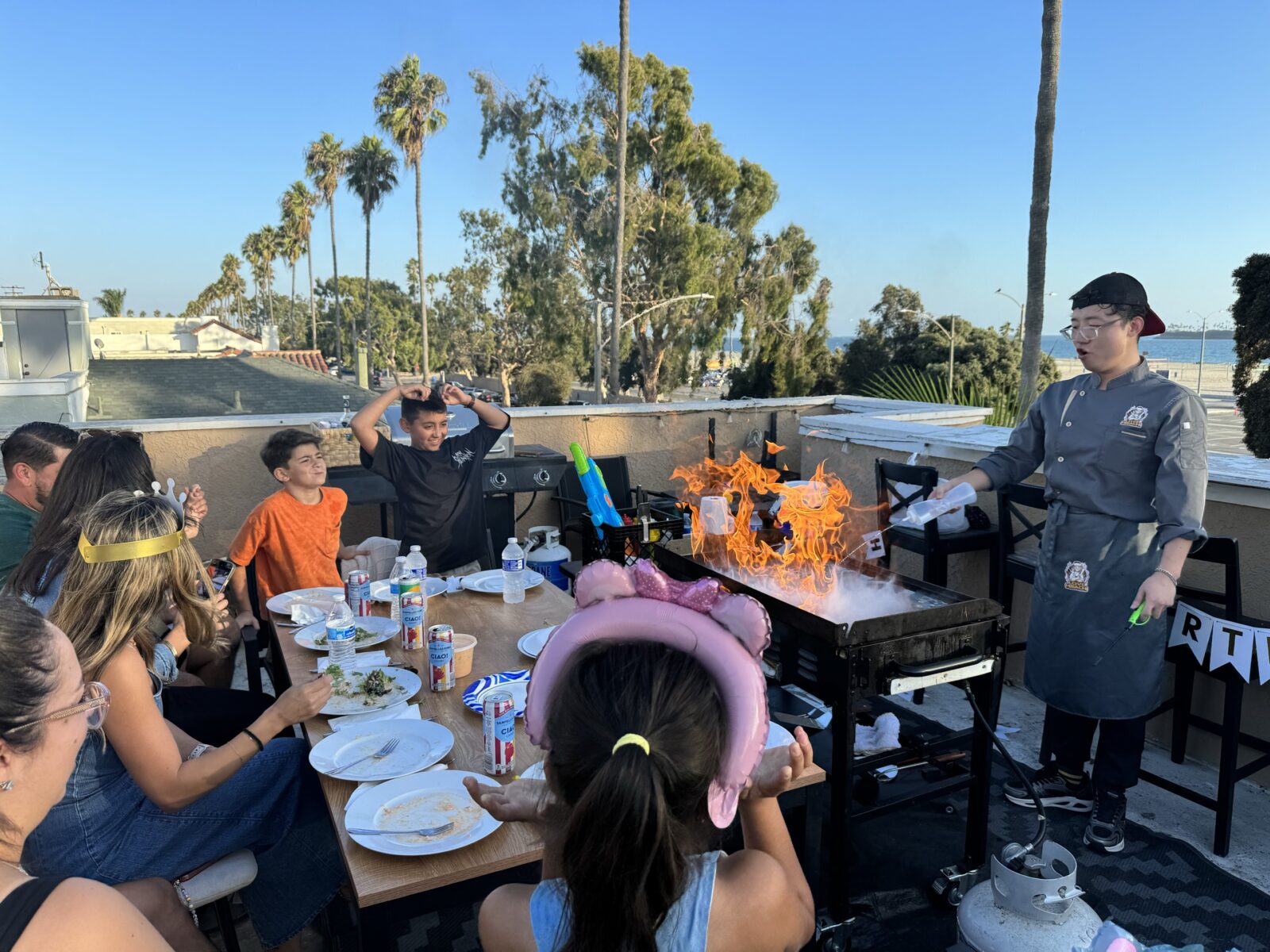
One of the biggest differences between traditional catering and mobile hibachi is that the cooking station becomes part of the guest area.
That means couples and planners should think about layout early.
A good setup needs enough space for the chef and cooking equipment while still keeping guests comfortable around the dining area.
Backyards, patios, terraces, vacation homes, and private event spaces can all potentially work, but every property is different.
Before booking, it is worth checking:
- How much usable outdoor or well-ventilated space is available?
- Where will guests sit in relation to the cooking station?
- Is there enough room for the chef to move safely?
- Are there low ceilings, awnings, trees, decorations, or other objects above the cooking area?
- Does the venue have restrictions on live cooking, open flames, or outside vendors?
- Is there a rain backup plan?
- How easily can the chef access the setup area with equipment and ingredients?
Couples using an Airbnb or vacation rental should also confirm the property’s rules rather than assuming outdoor cooking or outside catering is automatically permitted.
The goal is to make the hibachi experience feel like a natural part of the reception layout, not something squeezed into the space at the last minute.
Seating Is Part of the Experience
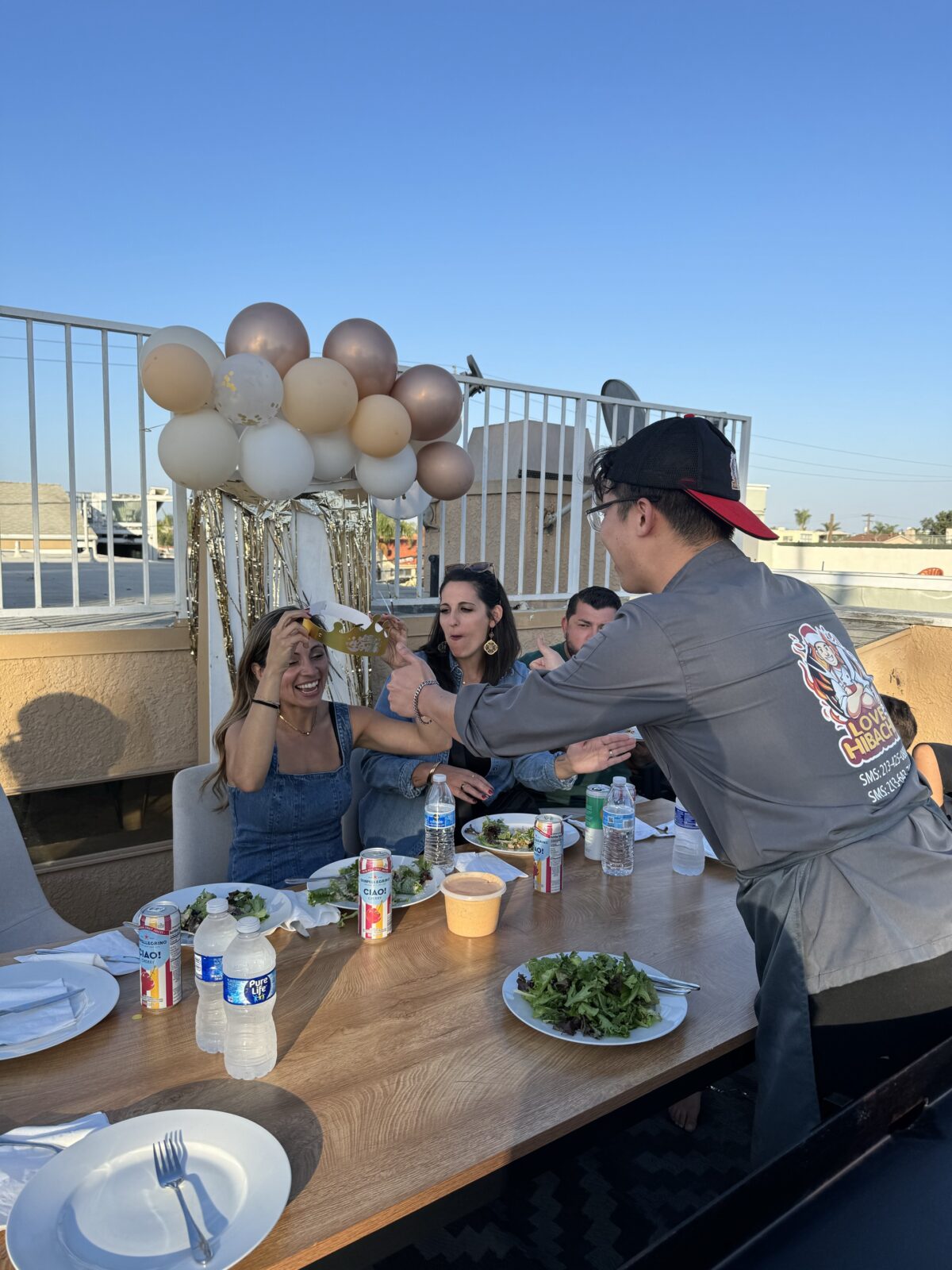
With hibachi, seating does more than determine where guests eat.
It determines how they experience the show.
Ideally, guests should be positioned so they can comfortably see the cooking area and interact with the chef without creating a crowded workspace.
For an intimate reception, one long table or a U-shaped arrangement can create a communal atmosphere.
For larger groups, the setup may need to be divided into sections or supported by multiple chefs.
This is something couples should discuss with their hibachi provider before finalizing rental tables, chairs, or reception layouts.
At Love Hibachi, for example, the number of chefs and the cooking arrangement are planned around the size of the party and the event location so that the service remains manageable and interactive.
For wedding planners, this is an important detail: the catering layout should be coordinated at the same time as the seating plan rather than treated as a separate decision.
Make Dinner Part of the Wedding Timeline
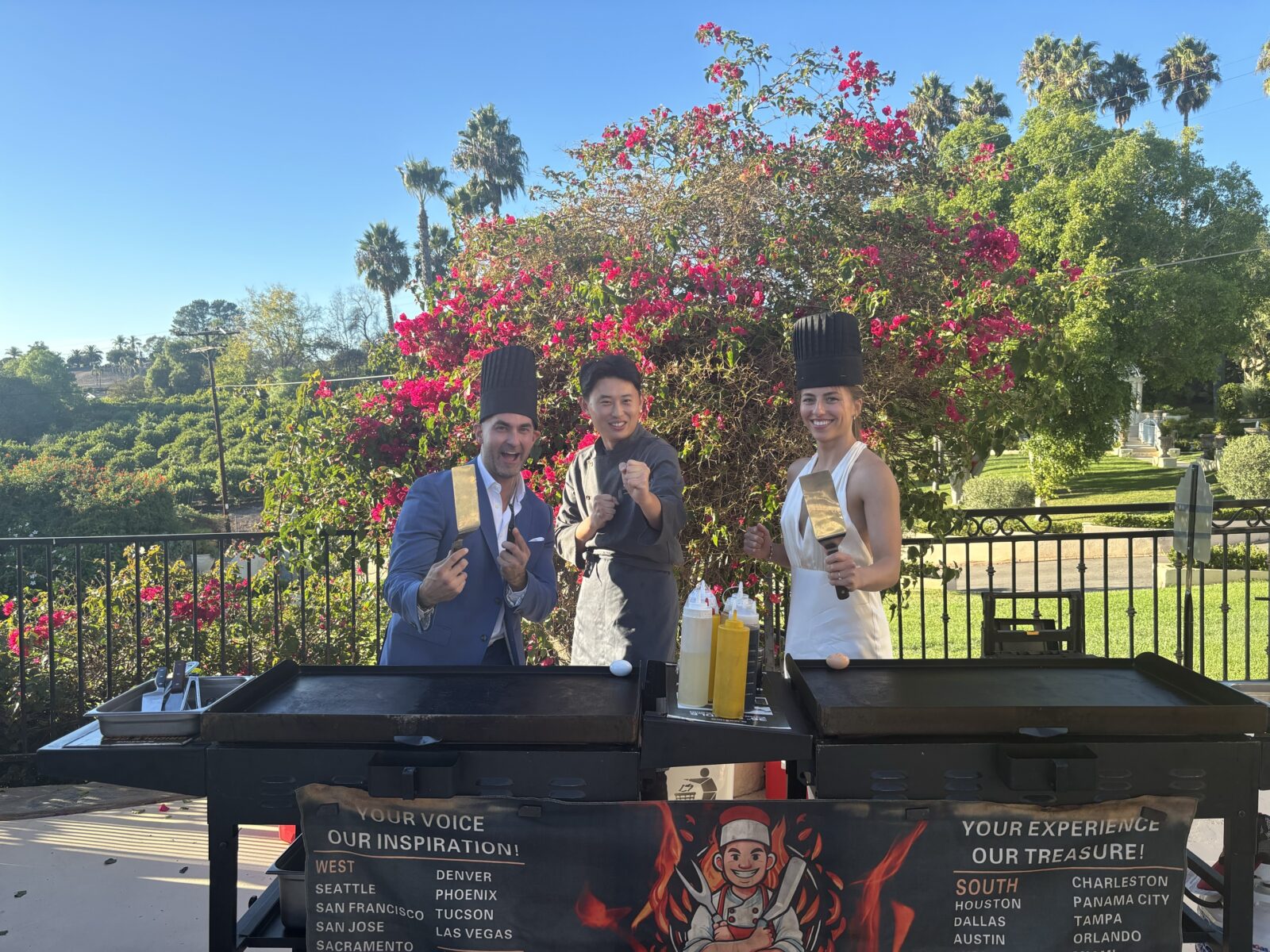
A live cooking experience also requires slightly different timing from a conventional buffet.
The chef needs time to arrive, bring equipment into the event area, organize ingredients, and prepare the cooking station before the experience begins.
For that reason, couples should avoid scheduling the hibachi start time too tightly against another major moment.
If the ceremony ends at 5:00 p.m., for example, immediately expecting dinner to begin at exactly 5:05 may create unnecessary pressure.
Instead, cocktail time, photographs, drinks, or another informal activity can provide a natural transition while the dinner area is prepared.
Couples should also decide whether they want the cooking experience to happen before or after speeches.
Because hibachi is visually active and social, asking guests to divide their attention between a chef performing at the grill and an emotional wedding toast may not be ideal.
Giving each moment its own time usually creates a better experience.
Keep the Menu Simple Enough for a Group
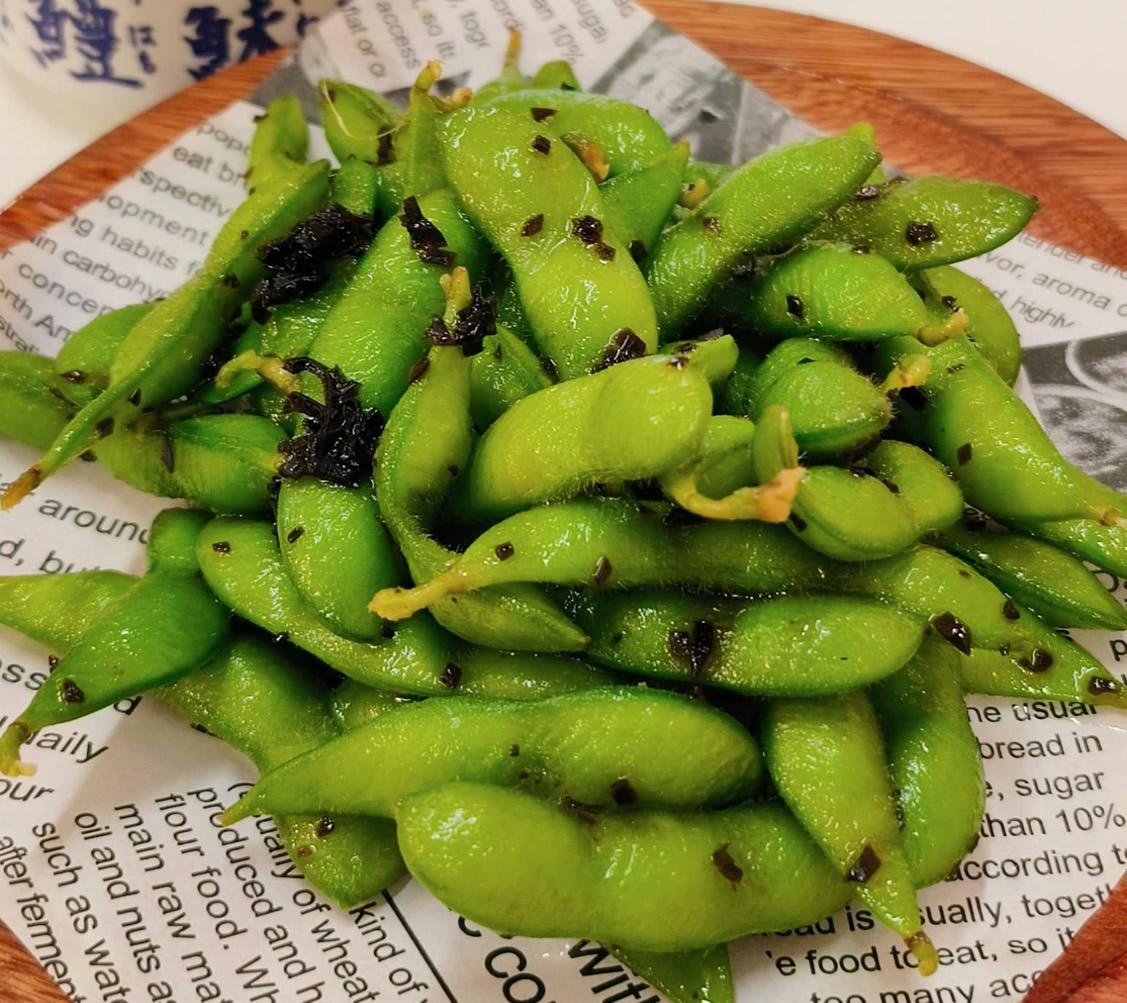
One advantage of hibachi is that guests can still have some choice without requiring an enormous wedding menu.
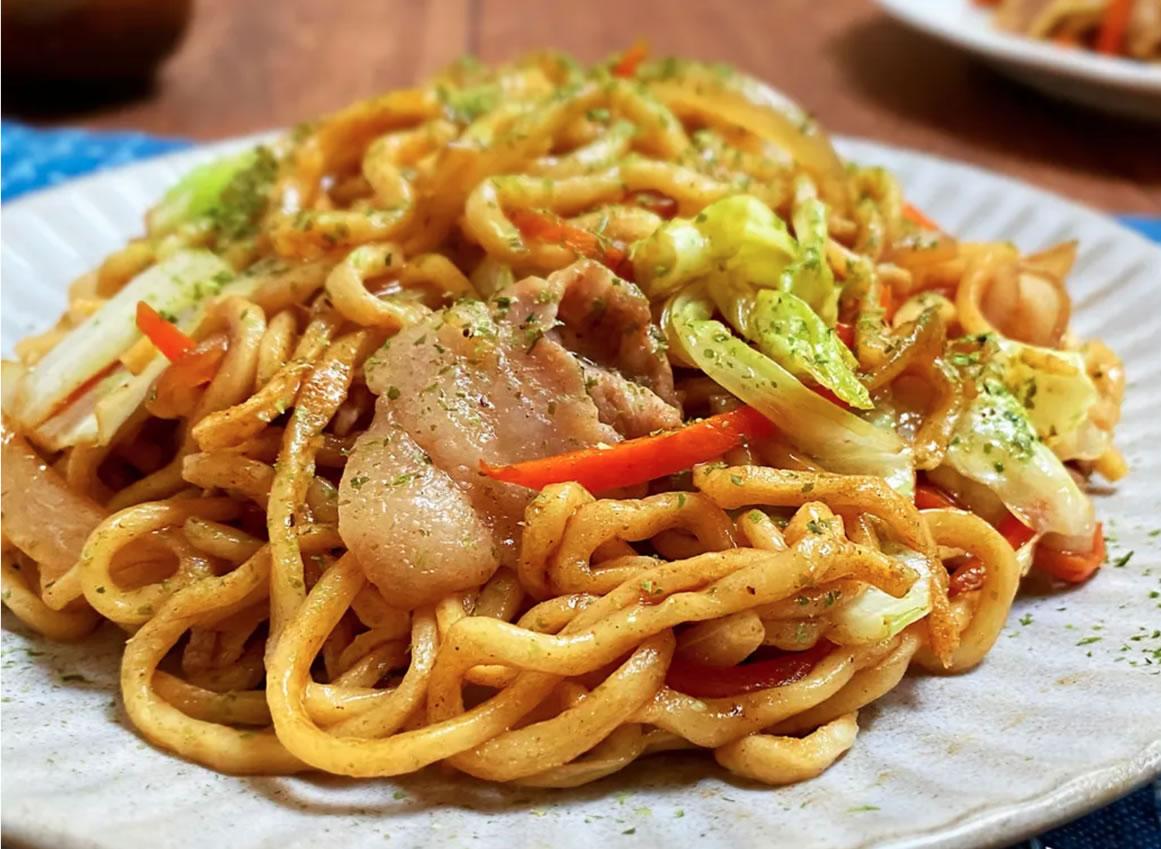
A typical hibachi menu may include proteins such as chicken, steak, shrimp, salmon, scallops, or tofu, accompanied by fried rice, vegetables, salad, and sauces.
For wedding groups, collecting selections in advance can make the event much smoother.
Rather than asking guests to decide while the chef is trying to cook, couples can gather meal choices with their RSVP information or send a menu request closer to the wedding.
This is also the right time to identify food allergies and dietary restrictions.
Couples should communicate allergies clearly to the caterer before the event and ask how ingredients will be handled, especially when cross-contact is a concern.
The more information the chef has before arriving, the easier it is to keep the dinner moving smoothly.
Do Not Forget About Children
Interactive cooking can be especially entertaining for younger guests.
Children often enjoy watching the flames, food preparation, and chef tricks even more than the adults do.
For weddings with families, this can be an unexpected benefit: dinner itself gives children something to watch rather than requiring them to remain quietly seated through a long formal meal.
That said, parents should still supervise young children around a live cooking area.
The grill is real cooking equipment, and the performance should never be treated like a children’s play area.
A thoughtful seating plan can allow children to enjoy the experience while still maintaining a safe distance from the chef’s workspace.
Have a Backup Plan
Outdoor weddings always involve some degree of weather risk, but live cooking makes the backup plan particularly important.
Couples should think beyond simply asking, “What if it rains?”
Wind, heat, cold, and covered spaces can all affect where cooking equipment can safely be used.
If the primary plan is a backyard or patio setup, identify an alternative location before the wedding day.
Any covered or indoor backup location should have adequate space and ventilation and should be approved by the venue and the catering provider.
A planner should also communicate changes early rather than moving the cooking setup at the last minute.
The best weather backup plan is one that has already been discussed with the chef before anyone sees rain in the forecast.
Let the Experience Feel Like Part of the Celebration
One of the biggest mistakes couples can make with interactive catering is treating it exactly like ordinary food service.
If you are choosing hibachi because you want something memorable, give the experience room to be memorable.
Allow guests to gather around.
Let them interact with the chef.
Leave enough time in the reception schedule for the cooking experience to unfold naturally.
If the couple enjoys participating, they can sit where they are easily visible to friends and family rather than disappearing at a separate sweetheart table.
The goal is not simply to feed everyone as quickly as possible.
It is to create a dinner that guests will talk about afterward.
It Can Be Surprisingly Appropriate for Intimate Weddings
Hibachi may initially sound like an unconventional wedding catering choice, but that can be exactly why it works for smaller celebrations.
Many intimate weddings are intentionally moving away from traditions that do not feel personal to the couple.
Instead of a ballroom, there may be a beautiful backyard.
Instead of a large formal catering team, there may be a chef cooking in front of a group of close friends.
Instead of separating dinner and entertainment, the two can happen at the same time.
For couples who care more about atmosphere and interaction than formality, that can feel much more personal.
Questions to Ask Before Booking a Hibachi Wedding Experience
Before choosing a mobile hibachi provider for a wedding-related event, couples should ask a few practical questions:
How much space does the cooking setup require?
Ask for the recommended dimensions and ideal seating arrangement before ordering tables or finalizing the floor plan.
How many chefs will be needed?
A larger guest count may require multiple chefs. Confirm this early so that everyone is served within a reasonable period.
What does the couple need to provide?
Some mobile hibachi services provide the grill, food, sauces, and cooking equipment while the host provides tables, chairs, plates, utensils, napkins, and drinkware. Requirements vary by company.
When should guests submit their meal selections?
For a wedding, it is much easier to collect choices ahead of time rather than during the reception.
What happens if the weather changes?
Discuss the backup location and any limitations before the event.
Are there travel fees or venue restrictions?
Destination weddings and vacation rentals can involve additional logistics, so the complete address should be provided before the final plan is confirmed.
How early will the chef arrive?
Knowing the expected setup time helps the wedding planner coordinate photography, cocktail hour, speeches, and other vendors.
A Different Way to Think About Wedding Catering
Wedding food does not have to exist only in the background.
For the right couple and the right setting, it can become one of the experiences that brings everyone together.
That is the appeal of a hibachi wedding reception.
The chef is not hidden in a kitchen. Guests are not simply waiting for plates to arrive. Instead, everyone can see, hear, and experience dinner being prepared together.
For couples planning an intimate wedding, backyard reception, rehearsal dinner, or relaxed wedding weekend, a mobile hibachi experience can offer something increasingly valuable: a reason for everyone to put down their phones, look toward the same table, and enjoy the moment together.
Companies such as Love Hibachi bring the mobile hibachi experience directly to private events, allowing couples to incorporate live cooking into a celebration without needing to host the wedding at a traditional hibachi restaurant.
With thoughtful planning around space, timing, guest count, menu selections, weather, and venue rules, dinner can become more than another item on the wedding timeline.
It can become part of the entertainment itself.
Don’t forget to pin this to your Wedding Planning Board for later!